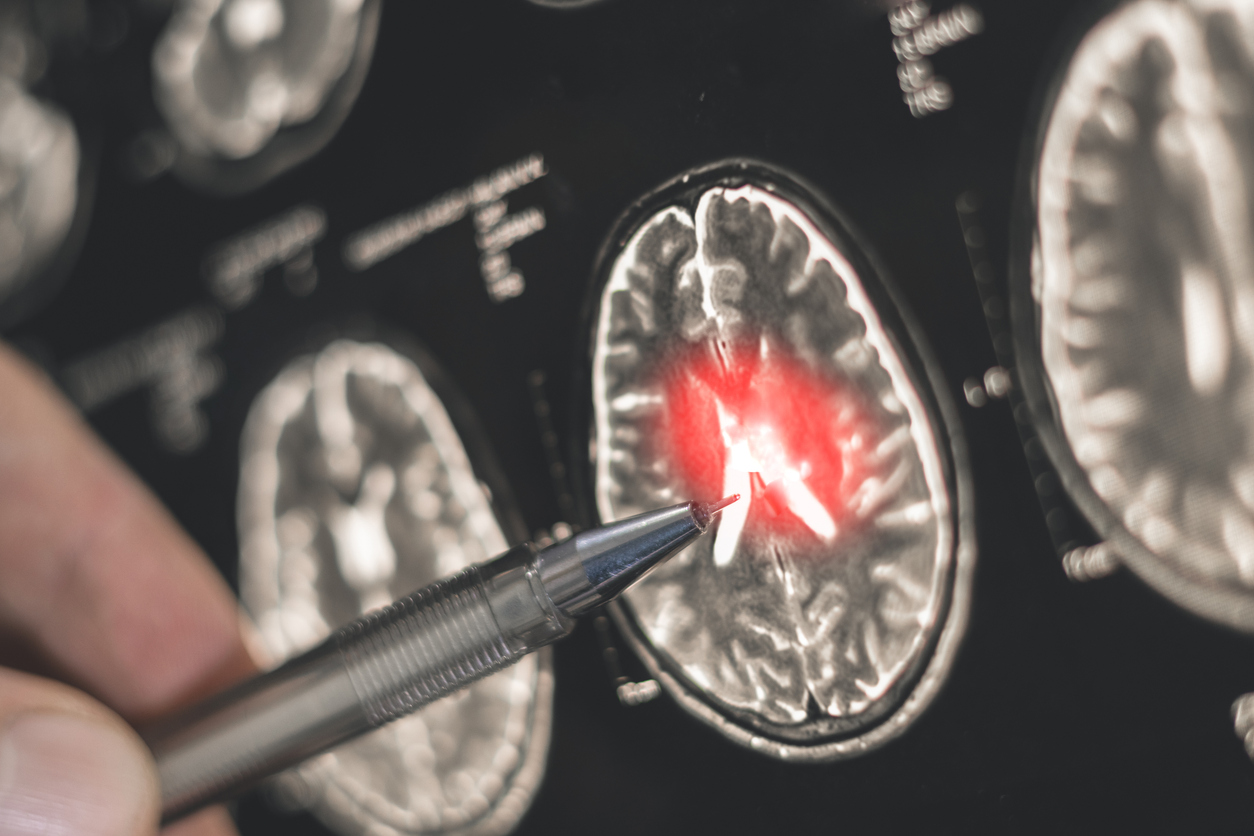
Exercise: A New Treatment Pathway for Multiple Sclerosis
For patients navigating the complex pathogenesis of multiple sclerosis (MS), the standard of care has long emphasized pharmacological intervention to manage disease-modifying therapy and acute exacerbations. Recent clinical insights are recalibrating this approach, positioning structured physical activity not merely as an ancillary wellness goal, but as a potent, evidence-based therapeutic intervention capable of modulating long-term functional outcomes and improving quality of life for those with stable disease profiles.
Key Clinical Takeaways:
- Exercise therapy serves as a viable, non-pharmacological adjunct for patients with multiple sclerosis who are not currently experiencing an acute exacerbation.
- Clinical evidence suggests that physical training protocols—ranging from resistance training to aerobic activity—can significantly enhance muscular strength, endurance, and balance in neurologically impaired populations.
- Integrating structured exercise requires professional oversight to ensure movements are calibrated to individual physiological limits, preventing overexertion while maximizing neuroplastic benefits.
The clinical shift toward exercise as a therapeutic pillar is supported by longitudinal reviews, including data synthesized by the Cochrane Database of Systematic Reviews. These findings indicate that when patients with MS engage in supervised exercise therapy, they experience measurable improvements in physical performance metrics. Unlike the sedentary recommendations of the past, which cautioned against physical strain, modern neurology recognizes that disuse atrophy exacerbates the morbidity associated with MS. By engaging in targeted movement, patients can potentially offset the secondary complications of the disease, such as cardiovascular deconditioning and postural instability.
Mechanisms of Action in Neuro-Rehabilitation
The biological rationale for exercise in the context of chronic neuro-inflammatory disease is rooted in the concepts of neuroplasticity and systemic metabolic optimization. When an individual engages in repetitive, functional movement, the central nervous system undergoes adaptive changes. For patients, this involves the recruitment of residual neural pathways to compensate for damaged axons. Regular physical activity has been shown to modulate the inflammatory environment, potentially reducing the systemic markers associated with disease progression.

According to research published via the National Institutes of Health (NIH), the efficacy of these programs is most pronounced when the exercise is tailored to the patient’s specific level of disability. This is where the guidance of board-certified neurologists and specialized physical therapists becomes critical. Without a structured, evidence-based protocol, patients risk fatigue-related setbacks. Clinicians must perform a rigorous baseline assessment to determine the appropriate intensity, duration, and frequency of activity, ensuring that the regimen does not trigger an exacerbation or excessive thermal stress—a common sensitivity in the MS population.
Clinical Triage and Implementation Protocols
Translating these findings into a practical treatment plan requires a multidisciplinary approach. Patients should not attempt to self-prescribe high-intensity routines without first consulting with a physiatrist or rehabilitation medicine specialist. These professionals are equipped to conduct the necessary diagnostic testing—such as gait analysis and cardiovascular stress testing—to delineate the safe boundaries for therapeutic exercise.
“Exercise is not a substitute for disease-modifying therapies, but rather a vital component of a comprehensive neuro-rehabilitation strategy. By improving physical reserve, we allow patients to maintain independence longer, even in the presence of underlying neurological pathology.” — Dr. Julian Thorne, Senior Researcher in Neuro-Rehabilitation.
For healthcare systems, the integration of exercise therapy represents a shift toward value-based care. By reducing the reliance on emergency interventions for falls or complications arising from inactivity, clinics can improve patient outcomes while optimizing resource allocation. Institutions looking to implement these protocols often retain healthcare compliance attorneys to ensure their wellness programs meet the strict regulatory standards required for insurance reimbursement and patient safety documentation.
The Future of Integrative MS Management
As we advance through 2026, the focus of MS research is increasingly turning toward the synergy between pharmacological breakthroughs and lifestyle interventions. While pharmaceutical companies continue to develop novel biologics to target the primary pathogenesis of the disease, the role of the patient in their own recovery through movement is gaining significant clinical validation. The objective is to establish a “Total Care” environment where the patient is empowered by data-driven exercise regimens that evolve alongside their clinical status.

Patients seeking to integrate these methodologies should prioritize finding a care team that values a holistic, evidence-based approach. Utilizing a comprehensive MS care center ensures that all aspects of the disease—from medication management to physical therapy—are synchronized under a single, cohesive clinical strategy. This minimizes the risk of fragmented care and ensures that every intervention is aligned with the latest peer-reviewed evidence.
Disclaimer: The information provided in this article is for educational and scientific communication purposes only and does not constitute medical advice. Always consult with a qualified healthcare provider regarding any medical condition, diagnosis, or treatment plan.