
Are European Defense Stocks Overvalued? Deutsche Bank Analysts Sound a Cautionary Note
2026/01/16 16:55:11
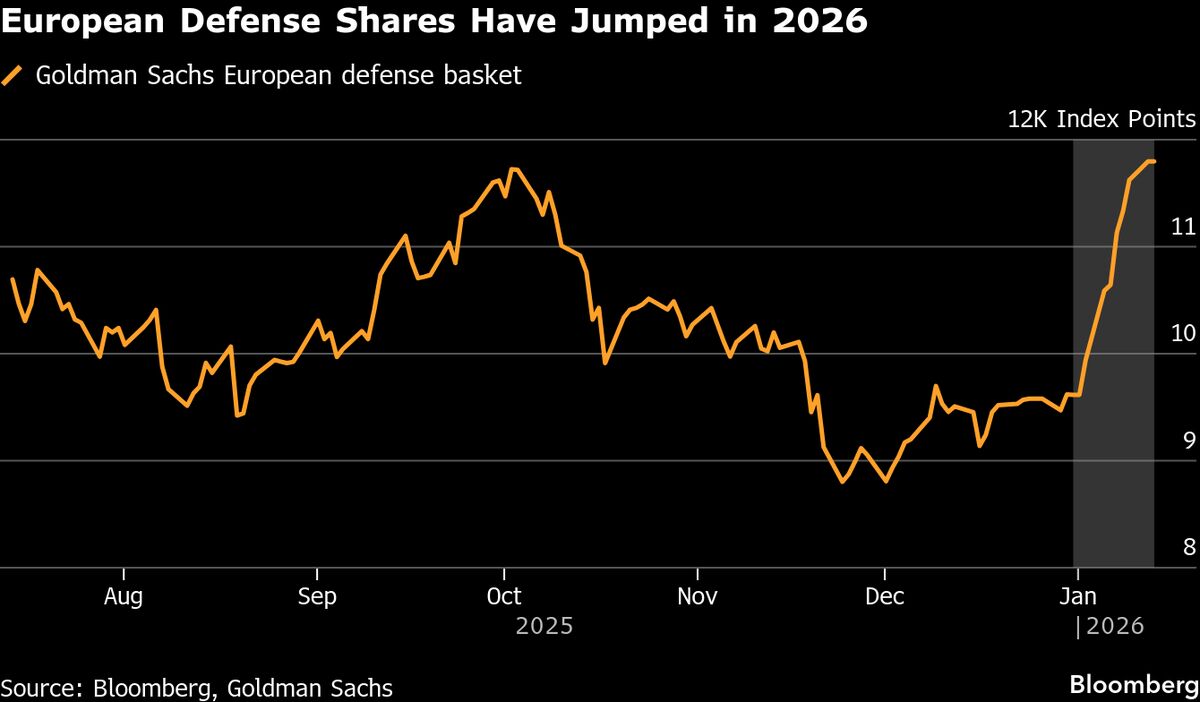
After a remarkable surge exceeding 20% this year, European defense stocks may be nearing a valuation peak, according to analysts at Deutsche Bank AG. This perspective stands in contrast to the prevailing bullish sentiment within the sector, making Deutsche Bank one of the few voices urging caution.
The Recent Rally: Fueling the Surge
The ample growth in European defense stocks is largely attributed to the geopolitical landscape, notably the war in Ukraine and escalating global tensions. The conflict has prompted a notable reassessment of defense spending across Europe, with many nations committing to increased investment in their military capabilities. This increased spending directly benefits defense contractors, driving up demand for their products and services. Germany, for example, established a €100 billion special fund for defense in 2022, a move that signaled a major shift in it’s defense policy [Reuters].
Beyond Ukraine, broader concerns about potential conflicts in other regions, such as the South China Sea and the Middle east, are also contributing to the heightened demand for defense equipment. This environment has created a favorable backdrop for companies like BAE Systems, Leonardo, and Rheinmetall, leading to substantial gains in their stock prices.
Deutsche Bank’s Contrarian View: Why the Caution?
Despite the positive outlook, Deutsche Bank analysts suggest that current valuations may not be sustainable. their argument centers on the idea that much of the positive news – and therefore, the potential for further stock price appreciation – is already priced into the market. They believe that the current high valuations reflect optimistic expectations for future earnings growth, which may be difficult to achieve.
several factors underpin this cautious stance:
- Supply Chain Constraints: The defense industry is notoriously complex, with long lead times for production and significant reliance on global supply chains. Ongoing disruptions to these supply chains could limit companies’ ability to capitalize on increased demand.
- Inflationary Pressures: Rising costs for raw materials, labor, and energy are squeezing profit margins for defense contractors.While they can often pass some of these costs onto governments, it’s not always a full offset.
- Political Risks: Changes in government priorities or shifts in geopolitical dynamics could lead to cuts in defense spending, negatively impacting the sector.
- Peak Cycle Concerns: Historically, defense cycles have been characterized by periods of rapid growth followed by consolidation or decline. Analysts at Deutsche Bank believe the sector might potentially be entering a phase where growth slows down.
A Deeper Look at Key European Defense Stocks
Let’s examine some of the major players and their current positions:
BAE Systems
BAE Systems, a British multinational arms, security, and aerospace company, has seen significant gains fueled by increased demand for its weaponry and defense systems. Though, its valuation has risen considerably, raising questions about whether the current price reflects future growth potential.
Leonardo
The Italian defense giant Leonardo has benefited from increased orders for its helicopters, aircraft, and defense electronics. Like BAE Systems, its stock has experienced a substantial increase, prompting analysts to assess its sustainability.
Rheinmetall
German defense contractor Rheinmetall has been a standout performer,largely due to its role in supplying ammunition and armored vehicles. The company’s stock has soared, but concerns remain about its ability to maintain this momentum.
The Broader Economic Context
The performance of defense stocks is also intertwined with the broader economic environment.rising interest rates and concerns about a potential recession could dampen investor appetite for riskier assets, including those in the defense sector. Moreover, government budget constraints could lead to delays or cancellations of defense projects, impacting company revenues.
What Does This Mean for Investors?
Deutsche Bank’s warning doesn’t necessarily mean investors should immediately sell their defense stock holdings. However, it does suggest that a more cautious approach is warranted. Investors should carefully consider the risks and potential downsides before adding to their positions. Diversification remains a key strategy for mitigating risk in any investment portfolio.
Looking Ahead: A Period of Uncertainty
The future of European defense stocks remains uncertain. While the long-term outlook for the sector is generally positive, given the ongoing geopolitical tensions, the short-term risks are significant.Investors should closely monitor developments in ukraine, global economic conditions, and company-specific news to make informed decisions. The coming months will be crucial in determining whether the current rally in defense stocks can be sustained or if Deutsche Bank’s cautionary view will prove to be accurate.
Key Takeaways
- European defense stocks have surged over 20% this year, driven by geopolitical tensions and increased defense spending.
- Deutsche Bank analysts warn that valuations may be approaching a peak.
- Supply chain issues,inflation,and political risks pose challenges to the sector.
- investors should exercise caution and consider diversification.
