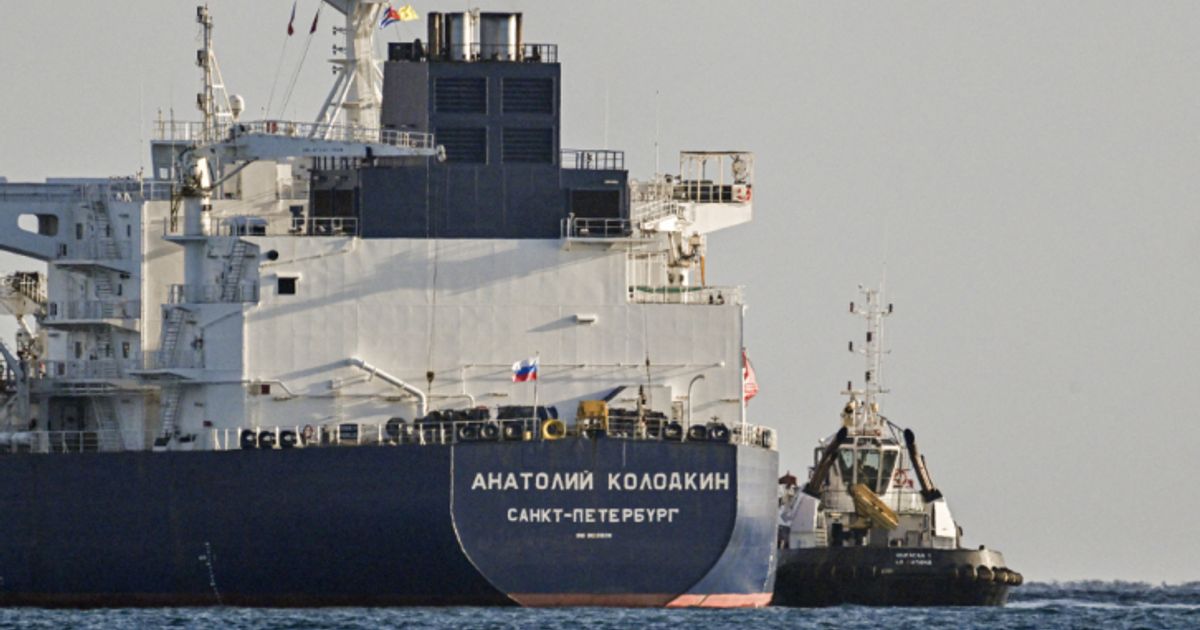
EU Extends Russia Sanctions for Twelve Months
The European Union has extended its comprehensive sanctions against Russia for a full 12-month duration, marking a significant departure from the previous six-month renewal cycle. This decision, formalized in June 2026, aims to stabilize long-term trade restrictions and signal sustained geopolitical resolve to the Kremlin regarding the ongoing conflict in Ukraine.
Shifting the Temporal Horizon of Economic Warfare
For over two years, Brussels maintained a rhythmic, biannual review process for its restrictive measures. By extending the sanctions to a 12-month term, the EU is effectively removing the recurring uncertainty that previously allowed market participants to speculate on potential policy easing. According to Reuters, this structural change is designed to minimize the administrative burden on member states while maximizing the pressure on the Russian fiscal apparatus.
The move forces a recalibration of corporate strategy across Europe. Businesses with legacy exposure to Russian markets can no longer bank on a short-term window for sanctions relief. For firms attempting to untangle complex supply chains or divest from Russian assets, the extended timeline necessitates immediate engagement with specialized international trade counsel. The legal risk of accidental sanctions non-compliance has shifted from a biannual hurdle to a permanent operational fixture.
The Macro-Economic Ripple Effect
The extension is not merely a diplomatic gesture; it is an economic barrier. By locking in these measures through mid-2027, the EU is insulating its internal market from the volatility of Russian energy and commodity dependencies. The World Bank has previously noted that the decoupling of European and Russian markets has fundamentally altered the cost structure for industrial manufacturing in the Eurozone.

Energy security remains the primary friction point. While the EU has largely pivoted away from direct Russian gas imports, the secondary market for refined petroleum products—often routed through third-party nations—remains a target of these extended sanctions. “The extension of the sanctions regime is a clear signal that the EU is prioritizing geopolitical alignment over the immediate restoration of pre-war trade volumes,” says Dr. Elena Rossi, a lead researcher at the European Council on Foreign Relations. “It forces a definitive ‘all-in’ on alternative energy infrastructure.”
Operational Challenges for Multinational Corporations
With the sanctions now solidified for a year, the burden of proof for compliance has intensified. Multinational corporations are currently auditing their third-party logistics and vendor networks to ensure that no prohibited goods are entering the EU via illicit transshipment hubs. This environment creates a high-stakes landscape for global firms.
Failure to adequately screen suppliers can lead to severe regulatory penalties and reputational damage. As the regulatory net tightens, corporations are increasingly turning to risk mitigation experts to perform deep-tier supply chain mapping. These firms provide the necessary visibility to ensure that operations remain compliant with the evolving EU sanction mandates, effectively serving as a buffer against the legal fallout of a volatile geopolitical climate.
Comparative Analysis: The New Normative Framework
Historically, the European approach to economic sanctions was defined by gradualism. However, the current strategy reflects a shift toward institutionalizing economic isolation. The table below illustrates the shift in the sanctioning cadence:
| Period | Sanction Cycle | Primary Goal |
|---|---|---|
| 2022–2025 | 6 Months | Tactical adjustment to battlefield developments |
| 2026–Present | 12 Months | Strategic long-term economic decoupling |
This shift aligns with the broader policy objectives outlined by Bloomberg, which highlight the EU’s attempt to harmonize its internal regulatory enforcement. By reducing the frequency of political negotiations required to maintain the sanctions, the EU creates a more predictable—though undeniably more restrictive—environment for global trade.
The Path Forward for Global Firms
The geopolitical reality of 2026 is one of hardened borders and fragmented markets. For companies operating in the energy, finance, or logistics sectors, the 12-month sanction window provides a baseline for long-term planning, yet it also underscores the risks of operating in a world where trade is increasingly weaponized.
Navigating this environment requires more than just internal compliance teams. It requires access to sophisticated intelligence and legal frameworks. As sanctions become a permanent feature of the European-Russian relationship, the necessity for robust, proactive governance has never been higher. Firms must ensure they are supported by vetted compliance advisors who understand the nuances of international trade law. In an era where the rules of engagement are rewritten annually, relying on outdated strategies is no longer an option—it is a liability.