
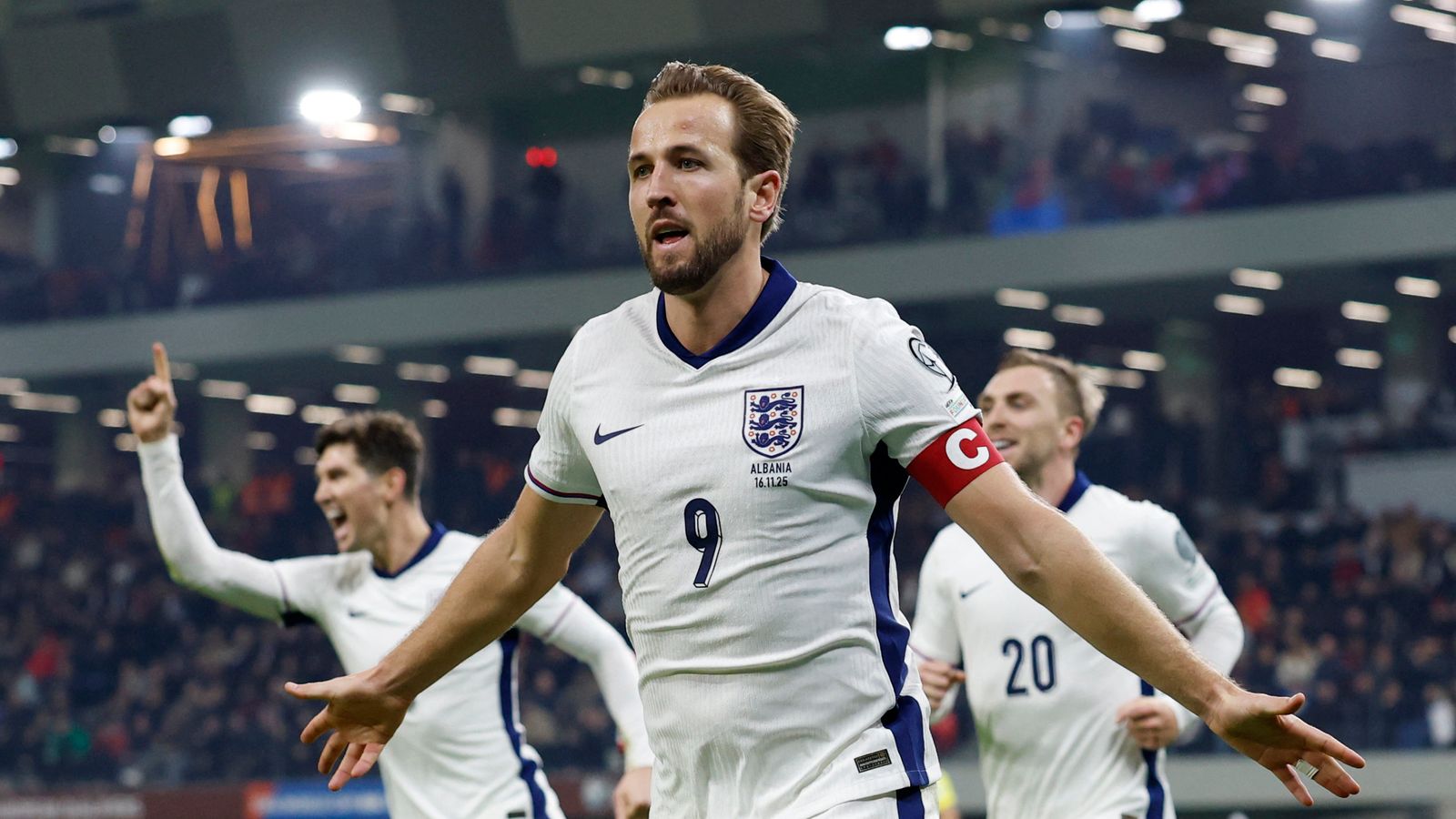
England’s national football team is grappling with concerns over potential pressure to take public stances on contentious political issues ahead of this summer’s World Cup, hosted across the United States, Canada, and Mexico. With 100 days remaining before the tournament begins, players have raised the issue with the Professional Footballers’ Association (PFA), citing anxieties surrounding Donald Trump’s policies and broader geopolitical conflicts.
The concerns center on a range of issues, including Trump’s past travel bans and immigration policies, the militarization of policing in the US, and ongoing military actions in regions like Iran and Venezuela. Players, including captain Harry Kane, reportedly discussed strategies for navigating potential calls for moral stands, including from media outlets, during talks with the PFA, according to Sky News.
PFA chief Maheta Molango acknowledged the players’ anxieties, stating they sense unfairly positioned to act as spokespeople for governments or governing bodies. “Some of them felt that in the past… some of them basically were hung out to dry,” Molango told Sky News, referencing the experience of players during the 2022 World Cup in Qatar. He emphasized that players are “socially conscious” and recognize their platform, but believe the onus for leadership on such issues should rest with political and sporting authorities.
The buildup to the Qatar World Cup was marked by controversy over the Football Association’s planned rainbow armbands to promote LGBTQ+ rights, which were ultimately abandoned after FIFA threatened sanctions. The FA also engaged in discussions regarding the conditions of migrant workers involved in stadium construction. Germany’s national team faced similar scrutiny after expressing political views, with captain Joshua Kimmich later expressing regret over the team’s approach, as they were eliminated in the group stage.
Molango stressed that players are not seeking to avoid engagement with important issues, but seek to determine when and how to leverage their platform. “It’s for them to use their platform when they deem it appropriate,” he said. “Most of them have a view. They’re incredibly conscious of what’s going on, they want to make a difference, but it needs to be on their own terms.”
The debate over player activism comes as FIFA continues to navigate complex political landscapes. In December, FIFA President Gianni Infantino presented Donald Trump with a specially created “peace prize” during the World Cup draw, a move that drew criticism from some observers. Trump was also involved in an awkward exchange with Juventus players during a visit to the Oval Office last summer, where he questioned them on transgender participation in sport and discussed military action against Iran, as reported by the BBC.
Molango argued that football should remain politically neutral, stating, “Football needs to be out of politics… and should never be perceived as being siding with one side or the other.” He added that financial resources within football should not be used to advance political agendas.
Players have no direct say in the selection of World Cup host nations, a decision made by the FIFA Congress. Molango argued that this lack of agency absolves players of complicity in injustices within host countries, but also limits their accountability. “Give the players a voice [on FIFA decisions], and they’ll be able to be held accountable,” he said, “but you cannot just cherry-pick when it suits you to let the players have a choice. I suppose that’s unfair.”
The UK government has also taken a firm stance regarding the use of British military bases for potential US military action related to the conflict with Iran. Prime Minister Rishi Sunak has refused to allow US jets to deploy from UK bases for strikes on Iran, a decision supported by Labour leader Keir Starmer, according to The Independent. This decision prompted criticism from President Trump, who questioned the state of the US-UK relationship.
As the World Cup approaches, the question of whether and how England’s players will address these complex political issues remains unresolved, leaving the team and the FA to navigate a potentially fraught landscape.
