Endogenous endophthalmitis caused by S. agalactiae, Cureus reports
An 82-year-old man with a bladder tumor and diabetes mellitus presented with acute endogenous endophthalmitis caused by Streptococcus agalactiae, a severe ocular infection where visual symptoms masked an unrecorded systemic origin, Cureus reported.
- Endogenous endophthalmitis due to Streptococcus agalactiae carried a poor visual prognosis, ultimately resulting in no light perception despite vitrectomy and 46 days of systemic therapy.
- The patient had no systemic symptoms or fever at presentation, though laboratory tests revealed an elevated white blood cell count of 12,600/µL and a C-reactive protein of 7.75 mg/dL.
- Midstream urine cultures grew Streptococcus agalactiae with pyuria, matching the identical antimicrobial susceptibility profiles of the isolates found in the patient’s aqueous humor.
Clinical Findings and Initial Presentation at the Hospital
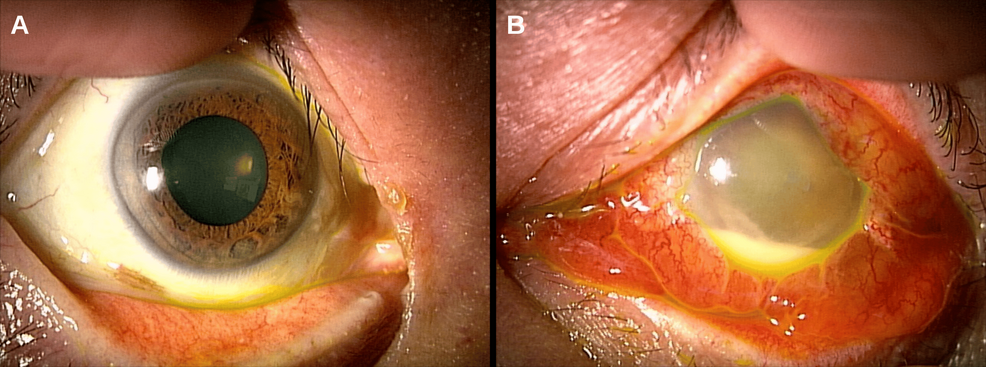
Four days before his hospital admission, the 82-year-old patient noticed blurred vision and pain in his left eye. A referring ophthalmologist initially suspected uveitis and prescribed topical steroid and levofloxacin drops. When hypopyon appeared the following day, the referring clinician administered intravitreal vancomycin 1.0 mg and ceftazidime 2.0 mg before transferring him. At presentation, his visual acuity in the affected eye was reduced to light perception, and intraocular pressure spiked to 52 mmHg. Examination revealed marked ciliary injection, corneal opacity, and hypopyon. B-scan ultrasonography showed only mild vitreous opacity without retinal detachment or choroidal thickening. Despite lacking urinary symptoms, back pain, or fever at initial contact, his blood tests demonstrated a pronounced systemic inflammatory response with an erythrocyte sedimentation rate of 33 mm at 60 minutes and procalcitonin at 1.05 ng/mL. Shivering developed approximately 12 hours after he arrived at the hospital.
Streptococcus Agalactiae Isolates Show Identical Susceptibility Profiles
Aqueous humor and midstream urine samples collected on day zero both isolated Streptococcus agalactiae. The aqueous humor smear showed phagocytosed chain-forming cocci alongside leukocytes, while the midstream urine grew the pathogen alongside significant pyuria. An antimicrobial susceptibility panel testing 11 agents showed that both isolates shared identical minimum inhibitory concentrations and susceptibility profiles, remaining susceptible to penicillin G, cefotaxime, ceftriaxone, imipenem/cilastatin, chloramphenicol, and trimethoprim-sulfamethoxazole, while showing resistance to clarithromycin, clindamycin, levofloxacin, tosufloxacin, and minocycline. Conversely, an undiluted vitreous specimen taken roughly 24 hours after the prior intravitreal injection returned negative results on both smear and culture. Blood cultures were not obtained at initial presentation, though three sets drawn on day six during penicillin G therapy showed no growth after one week.

Divergent Case Contexts Across Published Literature
A separate case described a 37-year-old man with acute endogenous endophthalmitis caused by Streptococcus agalactiae who presented with a fever above 38 degrees Celsius, severe headache, and an intraocular pressure of 61 mmHg. Unlike the 82-year-old patient, the younger individual had no chronic underlying conditions such as diabetes. However, due to progressive and irreversible local infection, that patient ultimately required evisceration and debridement surgery of the affected eye to control the disease process.
Patient Undergoes Vitrectomy and 46 Days of Treatment
Surgeons performed lens extraction and pars plana vitrectomy on day zero, utilizing an irrigating solution containing vancomycin 20 µg/mL and ceftazidime 40 µg/mL. Systemic treatment ran for a total of 46 days, concluding with oral amoxicillin through day 45. Contrast-enhanced computed tomography revealed focal areas of reduced parenchymal enhancement in the right kidney alongside the patient’s known bladder tumor, while transthoracic and transesophageal echocardiograms ruled out infective endocarditis. Two months after the initial procedures, the left eye remained free of pain, inflammation, and recurrence, though the retina stayed detached with a final visual acuity of no light perception.
Disclaimer: The information provided in this article is for educational and scientific communication purposes only and does not constitute medical advice. Always consult with a qualified healthcare provider regarding any medical condition, diagnosis, or treatment plan.