Cureus: Toxigenic Diphtheria Cluster in Nagpur Residential Institute
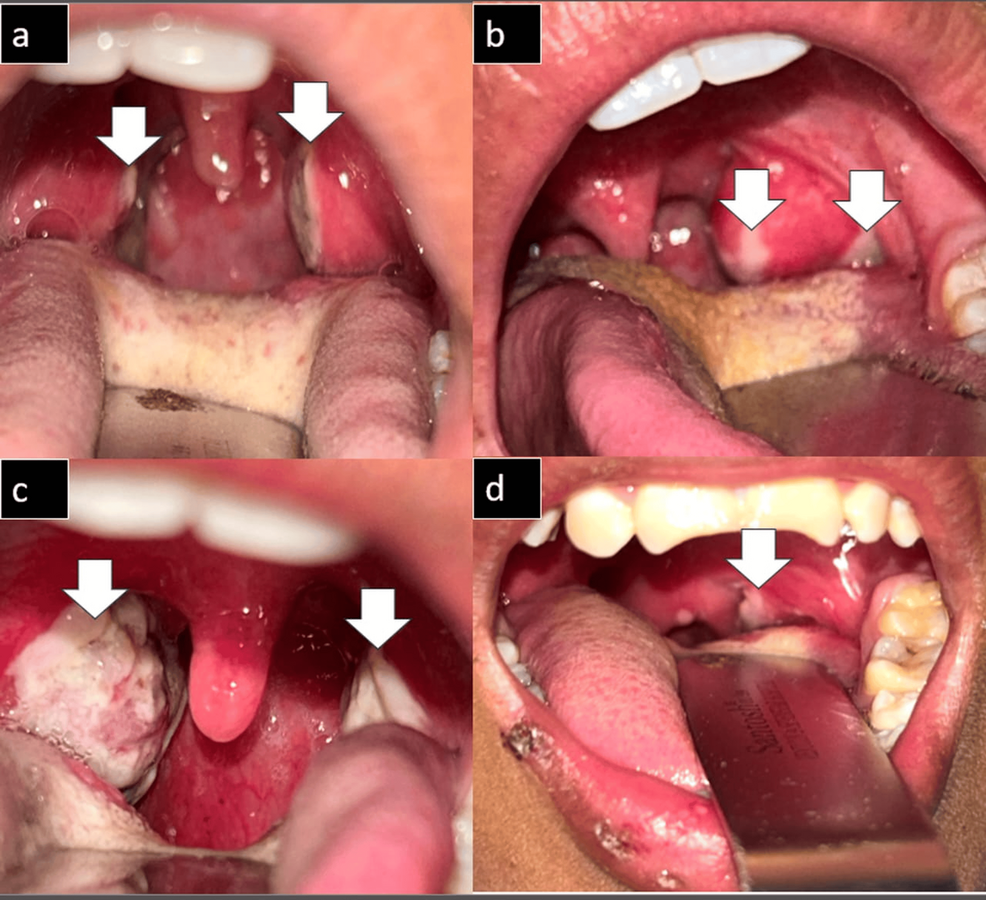
Four individuals associated with an educational residential institute in Nagpur, India, contracted toxigenic respiratory diphtheria, according to a case report published in Cureus. The cluster involved four patients who presented with fever, throat pain, and tonsillar pseudomembrane formation.
-
Key Clinical Takeaways:
- Four epidemiologically linked cases of toxigenic respiratory diphtheria were confirmed in a Nagpur residential institute.
- Diagnosis relied on Albert staining, potassium tellurite agar cultures, Elek’s test, and real-time polymerase chain reaction detecting the toxA gene.
- Management successfully utilized erythromycin, diphtheria antitoxin, and azithromycin prophylaxis to halt further transmission among exposed contacts.
Clinical Presentation Across Four Residential Cases
The outbreak surfaced when two brothers sought treatment at an ear, nose, and throat outpatient department in Nagpur, as documented in the Cureus report. Both siblings resided at the same residential educational institute, hailed from unknown origins, and declined hospital admission before returning home. Field investigations subsequently identified two additional student cases within the same residential network, bringing the total patient count to four.
Case 1 involved a 21-year-old male presenting with a five-day history of fever, throat pain, and a yellowish-white pseudomembrane covering Grade II enlarged tonsils that bled upon removal. Case 2, his 15-year-old brother, presented with similar tonsillar enlargement and a whitish membrane over the left tonsil. Case 3 and Case 4 involved 15-year-old and 13-year-old male students respectively, presenting with acute tonsillitis, odynophagia, and adherent membranes. None of the four patients exhibited systemic complications such as myocarditis or peripheral neuropathy, and cases 3 and 4 were admitted to an isolation ward for treatment.
Laboratory Tests Confirm Toxin Producing Bacilli
Direct throat smears examined via Gram staining revealed slender Gram-positive bacilli with club-shaped ends, while Albert staining demonstrated metachromatic granules predominantly at the poles. Throat specimens yielded whitish-grey colonies on blood and chocolate agar, alongside black pinpoint colonies on potassium tellurite agar. Further phenotypic characterization showed the isolates were non-motile, catalase-positive, glucose-fermenting, nitrate reduction-positive, and gelatinase-negative.
The definitive diagnosis was established through positive Elek tests indicating active toxin production, complemented by real-time polymerase chain reaction assays identifying the toxA gene.
Treatment and Public Health Containment in Nagpur
Management strategies varied depending on patient admission status, with the two siblings treated via home isolation using oral erythromycin at 500 mg for 14 days. The hospitalized patients received oral erythromycin alongside intravenous diphtheria antitoxin administered at 20,000 international units. Prophylaxis consisting of azithromycin for three days was distributed to all exposed residential contacts at the institute.
Global Incident Tracker recorded the epidemic incident as a moderate-severity event on October 31, 2026, noting local environmental conditions at the time included a peak temperature of 30 degrees Celsius and light rain of 0.6 millimeters. Following targeted antimicrobial treatment, supportive management, and contact prophylaxis, field investigations confirmed that no additional symptomatic cases emerged from the residential institute.
Disclaimer: The information provided in this article is for educational and scientific communication purposes only and does not constitute medical advice. Always consult with a qualified healthcare provider regarding any medical condition, diagnosis, or treatment plan.