Empa Develops ‘Living’ Hydrogel with Phages and Probiotics to Destroy Resistant Bacteria and Biofilms
“The specific phages attack their host pathogens quickly and destroy multi-resistant germs without harming the beneficial bacterial flora in the area,” said Qun Ren, an Empa researcher at the Biointerfaces laboratory in St. Gallen.
Empa, the Swiss Federal Laboratories for Materials Science and Technology, is developing a “living” therapeutic material designed to dismantle antibiotic-resistant infections and biofilms. By pairing bacteriophages—viruses that hunt and kill bacteria—with probiotic lactic acid bacteria, researchers are targeting the persistent bacterial biofilms that frequently shrug off standard hospital disinfectants and drugs, according to News-Medical.
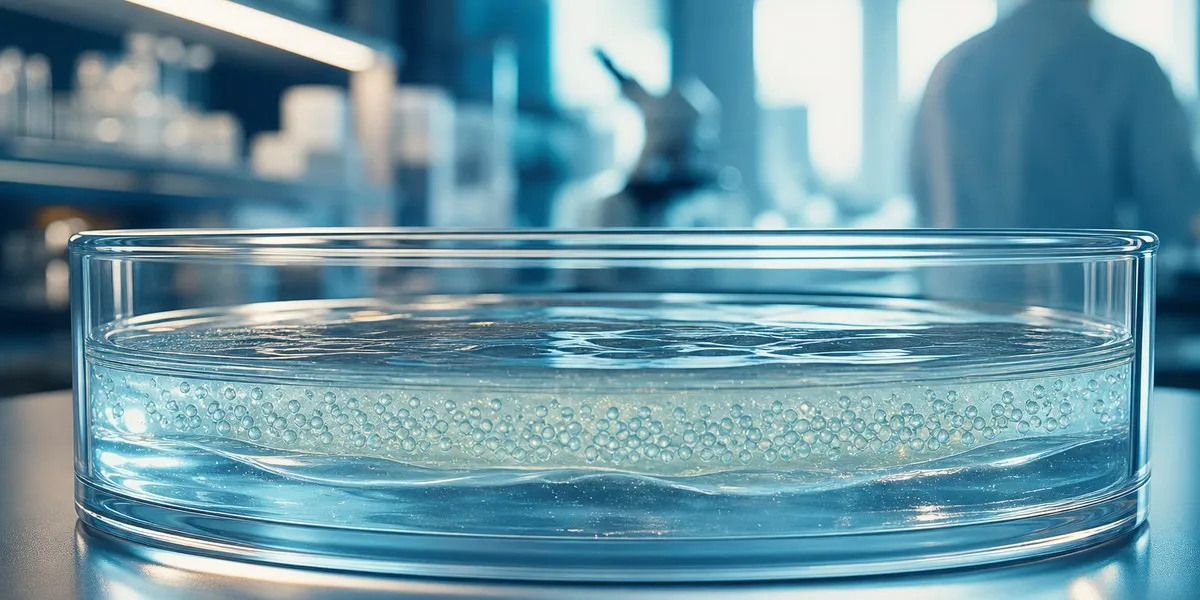
The treatment relies on a biocompatible hydrogel acting as a delivery vehicle. A cocktail of two phage types is embedded into a matrix alongside alginate microbeads filled with lactobacilli. UA.News reports that the hydrogel is engineered to degrade specifically in the presence of Pseudomonas aeruginosa, ensuring the therapeutic agents remain dormant until a wound is actively infected.

This sequential release triggers an immediate assault by the phages. Once the pathogens are under pressure, the lactobacilli step in to provide an antimicrobial effect while simultaneously promoting tissue regeneration. In vitro testing and ex vivo skin wound models demonstrated that the treatment could destroy Pseudomonas aeruginosa within 24 hours, successfully preventing the formation of new biofilms.
A study from Empa and the University of Copenhagen, published in the journal npj Antimicrobials and Resistance, provides insight into how these probiotics stifle pathogens. The research found that lactobacilli interfere with the development of flagella—the thread-like structures Pseudomonas bacteria use to move. By altering the surface structure of the pathogens, the probiotics block their ability to organize into protective, resistance-promoting biofilms.
Empa, the Swiss Federal Laboratories for Materials Science and Technology, has operated since 1880, initially as a material testing institute before evolving into an interdisciplinary research body by the late 1980s.
As part of the ETH Domain, it is assigned to the Federal Department of Economic Affairs, Education and Research (EAER) and operates across three locations: Dübendorf, St. Gallen, and Thun. Its mandate focuses on developing solutions for industry and society, guided by the UN’s Sustainable Development Goals, with research spanning nano-structured materials, the built environment, energy, and health.
While current laboratory results are promising, further analysis is required, Ren said. The research team is now working to adapt these biocompatible carriers to treat a wider range of antibiotic-resistant infections.
Though phage therapy was first investigated approximately 100 years ago, it fell out of favor following the widespread adoption of antibiotics. As conventional treatments lose their efficacy, interest in these “bacteria hunters” has returned to the forefront of modern infection research.