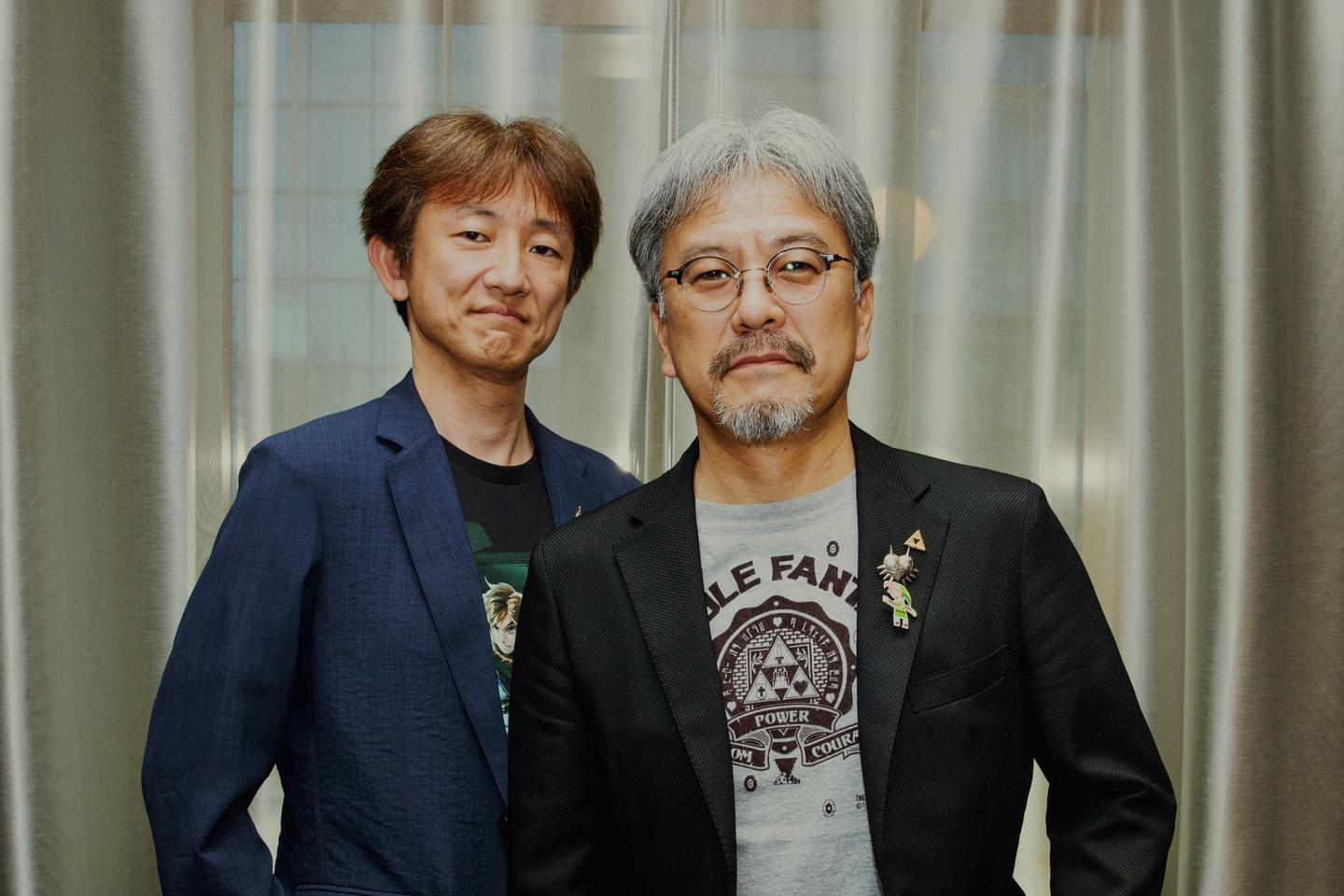
Eiji Aonuma and Hidemaro Fujibayashi discuss Zelda Ocarina of Time remake
A Digital Bottleneck for Switch 2 Players
The highly anticipated remake of The Legend of Zelda: Ocarina of Time arrives on November 5, 2026, exclusively for the Nintendo Switch 2. For players, the return to Hyrule comes with immediate technical demands. Those purchasing the digital version must clear between 25 and 30 gigabytes of internal storage. According to Selectra, the American storefront currently lists the requirement at 27 gigabytes, though regional estimates vary. Nintendo France specifies a size of 24.5 gigabytes, and users must ensure sufficient space exists before initiating the download to avoid interruptions.
Forfeiting Withdrawal Rights by Starting the Download
The installation presents a sharp divide in user experience. While high-speed connections will breeze through the download, those tethered to slower ADSL lines face a multi-hour wait. The timing is rigid: the Nintendo eShop pre-loading window closes seven days before the release. Launch-day buyers must initiate the full download immediately upon purchase. Once the process starts, users forfeit their 14-day right of withdrawal under standard consumer law, provided they have accepted the immediate start of the service.
The Economics of Nostalgia
Nintendo is leaning into the remake trend to hedge against the ballooning costs of modern game development. During a controlled media event in Paris, producers Eiji Aonuma and Hidemaro Fujibayashi discussed the project, which arrives as part of a wider industry push to modernize legacy hits. As analyst Florent Gorges notes, remakes provide a necessary financial safety net. With “AAA” titles like Grand Theft Auto 6 requiring investments reaching into the billions of dollars, revisiting established IP allows studios to capitalize on a dedicated community while updating mechanics for a modern audience. This strategy mirrors the approach taken by companies like Blizzard, whose 2019 release of World of Warcraft: Classic successfully enriched the history of its past titles. Developers often cite the popularity of projects like Assassin’s Creed: Black Flag Resynced, which benefit from lower development costs and reduced marketing expenditures.
Refining a Classic for Modern Screens
Critics have met the modernization with enthusiasm, awarding the title a 96 out of 100 on Metacritic. The remake ditches the clunky 1998 Nintendo 64 control scheme in favor of refined camera controls and a dedicated jump button. The production also features fully voiced French cinematics and allows players to play ocarina melodies by humming into the console’s built-in microphone. While the media outlet IGN praised the “l’univers dense et intime, regorgeant de personnages charmants et de secrets fascinants,” and The Guardian labeled it “l’un des meilleurs jeux des années 2020,” the French site Gamekult noted that “cette modernisation amène une simplification de l’expérience.”

A Legacy Under Scrutiny
Originally released in 1998, Ocarina of Time is the fifth entry in a saga created in 1986 by Shigeru Miyamoto, the creator of Mario. This launch is part of the Zelda saga’s 40th-anniversary celebrations, which include a global concert tour and a live-action film. Despite the fanfare, the long-term viability of this strategy remains unclear. According to the Video Game History Foundation, 87% of games released in the U.S. through 2009 are now commercially unavailable, making official remakes a focal point for preservation. Industry observers are left to weigh whether Nintendo can continue to lean on its back catalog without exhausting its most iconic franchises, all while the company navigates the ongoing tension between official remasters and the persistent popularity of unofficial emulation.