EGFR-targeted antibody-toxin conjugates face blood-brain barrier hurdles
Researchers delivering an epidermal growth factor receptor-targeted antibody-toxin conjugate directly into recurrent malignant brain tumors face distinct hurdles in overcoming heterogeneous drug distribution across the blood-brain barrier, according to findings published in scientific literature examining trial data and preclinical models. Clinical investigations tracking treatments such as serclutamab talirine and depatuxizumab mafodotin show that EGFR pathway alterations correlate with rapid early progression in glioblastoma, compounding the difficulty of achieving uniform therapeutic concentrations within infiltrative tumor margins.
-
Key Clinical Takeaways:
- Evaluations of EGFR-targeted antibody-toxin conjugates demonstrate targeted cytotoxicity against both wild-type and variant III mutant epidermal growth factor receptors in recurrent glioma.
- Heterogeneous drug distribution across the blood-brain barrier and inadequate intraparenchymal infusion parameters continue to limit the overall clinical efficacy of macromolecular payloads.
- Investigators studying convective delivery methods and combination regimens with immune checkpoint inhibitors aim to overcome physical barriers and improve progression-free survival metrics.
Clinical Trials Evaluating EGFR-Targeted Conjugates in Recurrent Glioma
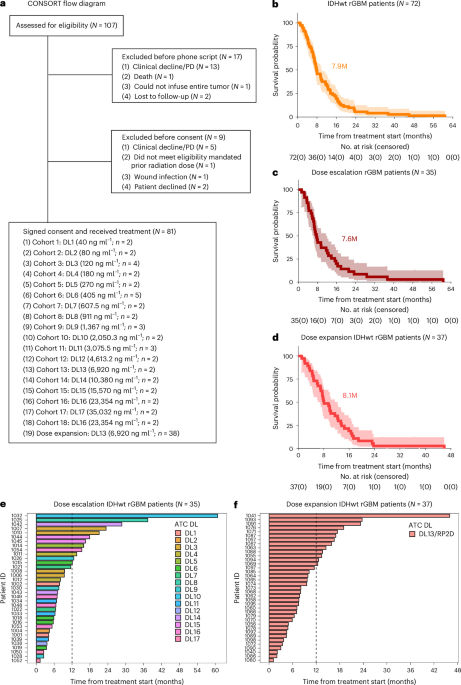
Clinical trials investigating the D2C7 immunotoxin—constructed to target both wild-type EGFR and the mutant EGFRvIII variant—reveal that intracerebral infusion via convection-enhanced delivery can bypass systemic toxicities while directly targeting tumor tissue. According to data published in clinical oncology journals, early-phase trials assess the safety, maximum tolerated dose, and dose-limiting toxicities of these macromolecular constructs in patients with recurrent malignant brain tumors. While standard-of-care protocols established by Stupp and colleagues rely on radiotherapy combined with temozolomide, recurrent disease prompts the evaluation of targeted immunotoxins and antibody-drug conjugates such as depatuxizumab mafodotin as explored in trials like INTELLANCE 2.
Blood-Brain Barrier Restricts Antibody-Drug Conjugate Therapy
The principal barrier to effective antibody-drug conjugate therapy in central nervous system malignancies remains the restriction imposed by the blood-brain barrier and the interstitial pressure gradients within solid tumors. Studies analyzing convection-enhanced delivery mechanisms indicate that macromolecular distribution relies heavily on catheter placement, infusion pressure, and local tissue architecture. When infusion distribution is restricted, viable tumor cells outside the immediate convection radius escape cytotoxic exposure, leading to localized treatment failure. Preclinical xenograft evaluations demonstrate that physical barriers restrict uniform penetration, explaining why clinical responses can vary significantly even among patients with high receptor amplification levels.
Future Directions in Immunotoxin Combinations and Checkpoint Inhibition
Current research efforts increasingly focus on combining EGFR-targeted immunotoxins with immune checkpoint inhibitors or innate immune activators to generate durable antitumor responses and prevent immunological escape. Preclinical data suggest that localized immunotoxin delivery can stimulate both innate and adaptive immunity within the tumor microenvironment, addressing the immunosuppressive profile characteristic of glioblastoma. Investigators continue to refine patient selection criteria based on tumor volume, receptor expression profiles, and systemic inflammatory response markers to identify which cohorts derive the greatest clinical benefit from targeted biologic infusions.
Disclaimer: The information provided in this article is for educational and scientific communication purposes only and does not constitute medical advice. Always consult with a qualified healthcare provider regarding any medical condition, diagnosis, or treatment plan.