
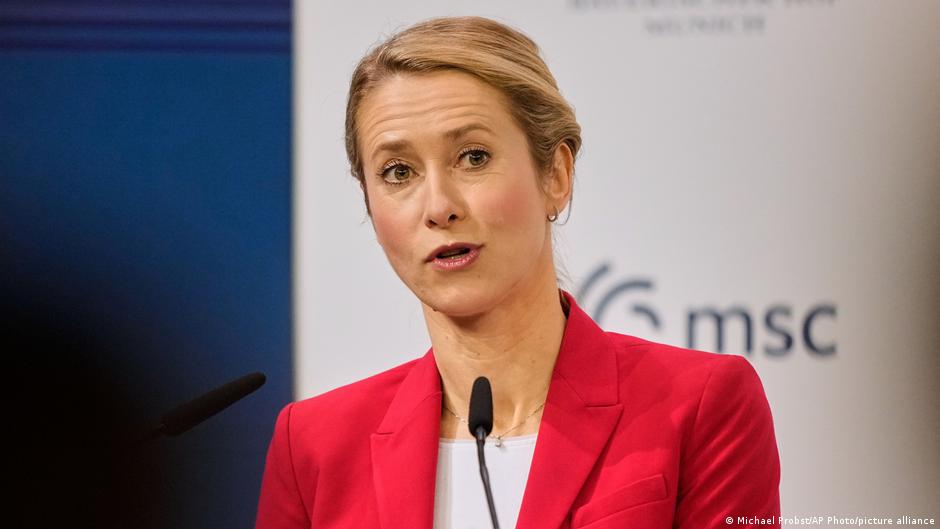
MUNICH – The European Central Bank (ECB) announced plans on Friday to permanently expand access to its euro-liquidity backstop facility to central banks worldwide, a move intended to bolster the euro’s role in global trade and financial stability. The decision, unveiled at the Munich Security Conference, marks the first time a head of the ECB has addressed the annual gathering, signaling a heightened awareness of the intersection between economic and security concerns.
Until now, the ECB’s standing euro repurchase (repo) facility – which allows lenders to borrow euros against high-quality collateral – was largely limited to a select group of Eastern European countries. ECB President Christine Lagarde framed the expansion as a necessary adaptation to a more volatile global landscape, citing the demand to prevent disruptions in euro-denominated funding markets. “We must avoid a situation where that stress triggers fire sales of euro-denominated securities in global funding markets, which could hamper the transmission of our monetary policy,” Lagarde stated, according to the ECB’s official statement .
The expanded facility, offering up to €50 billion ($59 billion) in standing access, will be available to all central banks globally starting in the third quarter of 2026. Lagarde emphasized that the move is designed to provide confidence to investors, borrowers, and traders operating in euros, assuring them of access to liquidity even during periods of market turmoil. The facility operates as a lender of last resort, providing a crucial safety net when banks are unable to secure funding through conventional market channels.
The ECB’s decision arrives amid growing uncertainty surrounding the dominance of the US dollar, fueled by increasing global trade in other currencies and unpredictable economic policies emanating from the United States. The return of Donald Trump to the US political scene, and the potential for shifts in American trade and foreign policy, appear to be a significant factor driving European efforts to enhance its financial autonomy. Lagarde alluded to this dynamic during a panel discussion, noting that a recent “kick in the pants” from Trump’s changing attitude towards Europe had spurred greater collaboration among European leaders and policymakers .
The move too comes as Europe grapples with broader concerns about geoeconomic fragmentation and the weaponization of economic dependencies. Lagarde, speaking at a roundtable on “Chain Reaction: Navigating Geoeconomic Shifts and Dependencies,” highlighted the need for Europe to transition towards “strategic autonomy” in critical supply chains. Eurosystem staff have already begun mapping products that are difficult to diversify and substitute, and are stress-testing the potential impact of sudden supply disruptions, with analysis suggesting a 50% drop in supply from geopolitically distant suppliers could reduce manufacturing value added by 2-3%, particularly in sectors like electrical equipment, chemicals, and electronics .
Whereas the ECB’s move has been broadly welcomed as a step towards strengthening the euro’s international role, questions remain about the extent to which it will truly challenge the dollar’s long-held dominance. The success of the facility will likely depend on the willingness of central banks worldwide to utilize it, and on the broader geopolitical landscape. At the Munich Security Conference, Kallas, a representative of the EU, dismissed suggestions of Europe’s decline, stating that many countries “want to join our club – and not just fellow Europeans,” pointing to Canada’s interest . However, the long-term implications of the ECB’s decision, and its impact on the global financial order, remain to be seen.
