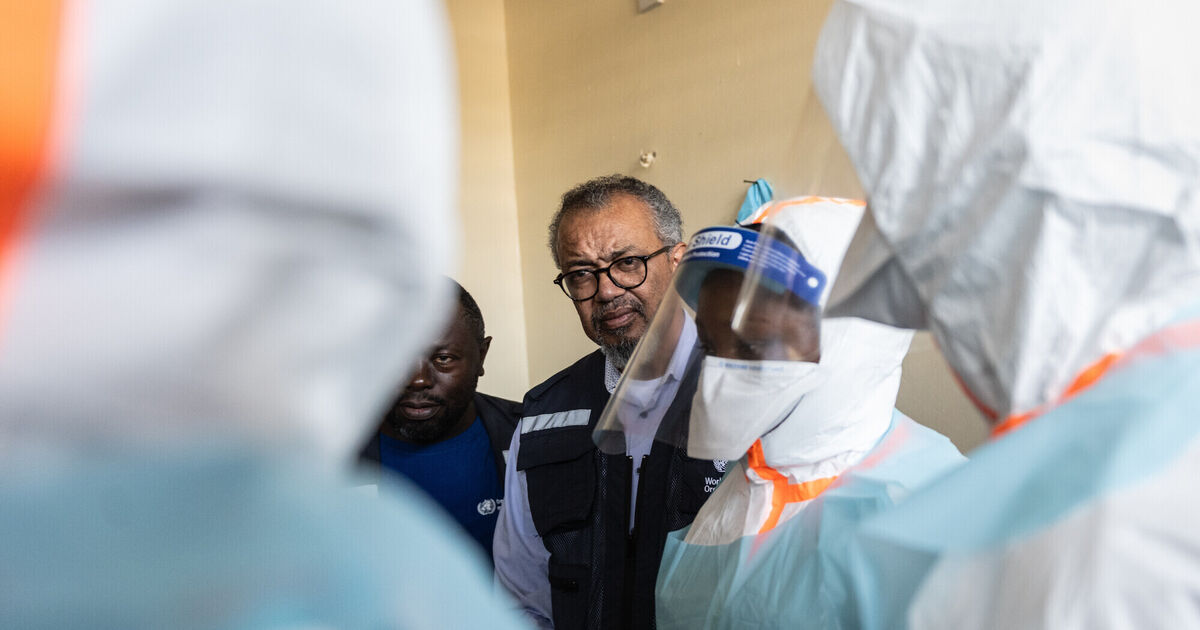
Ebola Outbreak in DR Congo: WHO Warns of Alarming Spread and High Death Toll
The recent emergence of an Ebola outbreak in the Democratic Republic of the Congo has prompted a swift, high-level response from international health authorities. As medical teams establish new treatment infrastructure to manage the rising caseload, the clinical focus remains on balancing early intervention with the complex logistical challenges of viral containment in high-density regions.
Key Clinical Takeaways:
- Ebola virus disease (EVD) is a severe, often fatal condition caused by orthoebolaviruses, characterized by a case fatality rate that has historically fluctuated between 25% and 90%.
- Early intensive supportive care—specifically rehydration and symptom management—remains the gold standard for improving patient prognosis, as specialized treatments are currently limited in scope.
- The identification of successful patient recoveries in new treatment facilities underscores the efficacy of rapid medical isolation and structured, evidence-based supportive therapy.
The Pathogenesis and Clinical Challenge of Orthoebolavirus
Ebola disease is a zoonotic viral hemorrhagic fever caused by members of the Orthoebolavirus genus. The clinical presentation typically manifests 2 to 21 days post-exposure, with an average onset of 8 to 10 days. Initial symptoms are often non-specific, mimicking influenza—fever, sore throat, myalgia, and cephalalgia—which can complicate early diagnostic efforts in regions with high endemicity for malaria or typhoid fever. According to established protocols from the World Health Organization (WHO), the pathogenesis involves systemic viral replication that leads to hepatic and renal dysfunction, often culminating in severe coagulopathy and hemorrhagic manifestations.
The current epidemiological landscape necessitates a robust, multi-layered approach to outbreak control. Per the Centers for Disease Control and Prevention (CDC), successful containment relies on a triad of surveillance, contact tracing, and the deployment of infection prevention and control (IPC) protocols. For healthcare facilities worldwide, particularly those managing international travelers or suspected viral hemorrhagic fever (VHF) cases, maintaining rigorous screening protocols is essential. It’s highly recommended that clinical facilities engage with board-certified infectious disease specialists to ensure their triage and isolation pathways meet current international biosafety standards.
Clinical Triage and the Evolution of Supportive Care
While the development of targeted therapeutics continues, the current standard of care remains centered on intensive supportive therapy. Rehydration, electrolyte balancing, and the aggressive management of secondary infections are the primary drivers of survival. The variability in mortality rates—often cited between 25% and 90%—highlights the critical importance of early access to care. When patients present during the early stages of the “dry” phase of the illness, the clinical window for intervention is significantly wider.
“The efficacy of supportive care in the context of filovirus infection cannot be overstated. By mitigating the systemic inflammatory response and stabilizing hemodynamic parameters, we provide the patient’s immune system the necessary time to mount a neutralizing antibody response.” — Clinical Epidemiologist, Internal Medicine Research Group.
For organizations and clinics involved in global health initiatives, navigating the regulatory and clinical hurdles of deploying these support systems in resource-limited environments requires specialized oversight. Healthcare administrators are encouraged to consult with healthcare compliance attorneys to ensure that their international medical missions adhere to both local regulations and the stringent ethical guidelines surrounding clinical trials and humanitarian aid distribution.
Strategic Infrastructure and Future Research Trajectories
The recent establishment of new treatment centers represents a pivotal shift in the local response to the current outbreak. However, the disparity in available medical countermeasures—where licensed vaccines and therapeutics are primarily limited to the Orthoebolavirus zairense species—remains a significant medical gap. Ongoing research, often funded by international health grants and collaborative efforts between global research universities and pharmaceutical entities, is focused on expanding the portfolio of candidate products for other species, such as the Sudan and Bundibugyo viruses.
As the clinical data from these new treatment centers is synthesized, the medical community must remain vigilant in its adherence to peer-reviewed diagnostic and therapeutic guidelines. The integration of rapid diagnostic testing, specifically those capable of detecting viral RNA in blood, is the only way to ensure that patients are directed to appropriate care facilities before the onset of advanced systemic complications. For private medical practices and diagnostic laboratories looking to update their protocols regarding imported infectious diseases, coordinating with accredited diagnostic centers is a vital step in maintaining institutional safety and operational readiness.
the trajectory of this outbreak will be determined by the speed of community mobilization and the availability of trained personnel to staff these new treatment units. The focus on safe and dignified burials, combined with the continued expansion of vaccination programs where applicable, serves as the bedrock of current containment strategies. As we monitor the situation, the emphasis must remain on evidence-based medicine and the continuous refinement of supportive care protocols to improve survival outcomes for the most vulnerable populations.
Disclaimer: The information provided in this article is for educational and scientific communication purposes only and does not constitute medical advice. Always consult with a qualified healthcare provider regarding any medical condition, diagnosis, or treatment plan.