DPR Approves KAI Plan to Import Used Trains to Solve Jabodetabek Commuter Line Crisis
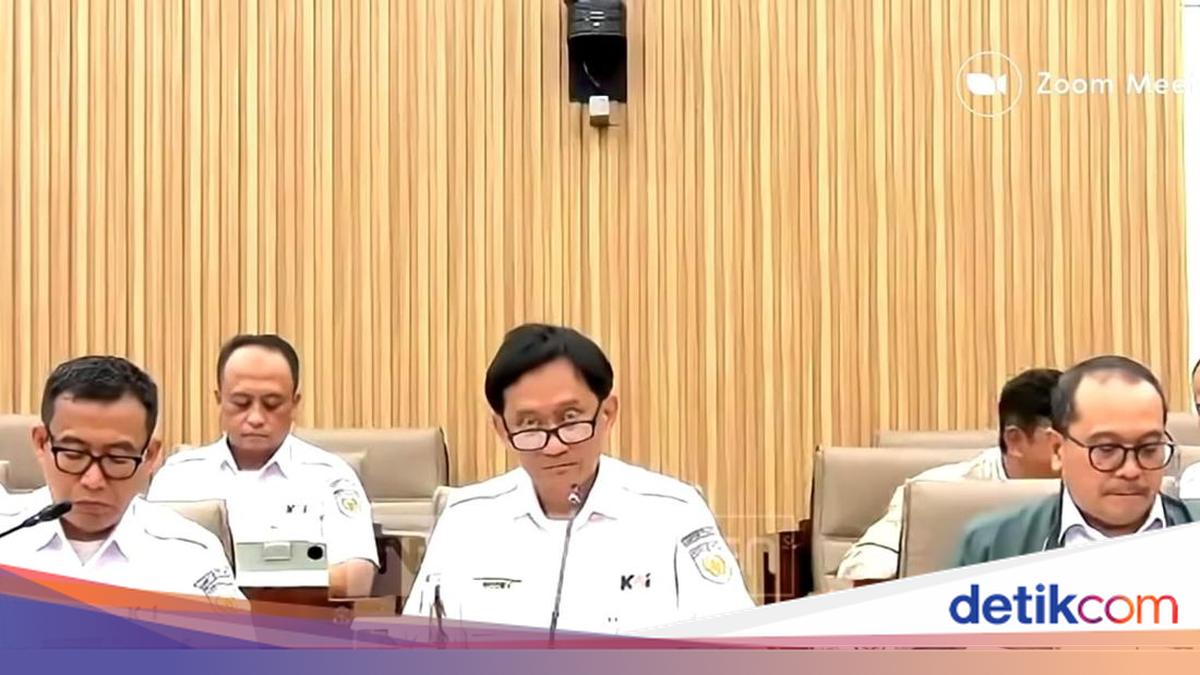
On September 23, 2026, Komisi VI DPR RI officially approved PT Kereta Api Indonesia (Persero)’s plan to import used commuter railsets during a hearing in Jakarta. The emergency procurement strategy targets a severe capacity deficit across the Jabodetabek rail network, driven by aging fleets and manufacturing bottlenecks at domestic producer PT INKA.
Fiscal Pressures and the Jabodetabek Capacity Crisis
Commuter volume across the capital region has surpassed vital structural thresholds, with daily passenger traffic regularly exceeding 1.1 million riders. According to disclosures from PT KAI leadership during the parliamentary session reported by Suara.com, the network faces an immediate inventory crunch that risks compounding systemic delays through fiscal years 2026 and 2027.
The core vulnerability lies in aging metal fatigue. PT KAI President Director Bobby Rasyidin detailed the operational timeline to lawmakers, noting that 92 trainsets currently operating will hit a critical 45-year threshold by 2029, necessitating urgent fleet replacement strategies.
Manufacturing Deficits and the Transition Strategy
Domestic rolling stock manufacturer PT INKA cannot deliver the required volume fast enough to outpace retirements. The state-owned enterprise faces strict manufacturing constraints, leaving a gap that forces operators to look abroad for intermediate relief.

“So how do we close 2027, 2026-2027 first? So one of the things that we will propose is that we patch it first, Sir, by importing, yes, that is trains that are not new,” Rasyidin told the parliamentary commission, as cited by Suara.com.
To mitigate safety and regulatory concerns, the imported rolling stock will undergo extensive mechanical and structural overhauls before entering commercial service.
Long-Term Network Expansion Amid Surging Ridership
Beyond immediate stopgap imports, regional network electrification continues via phased expansions. Plans include extending commuter services to Cikampek and Cigombong, while high-density routes like the Rangkasbitung line target increased frequency with headways dropping to five minutes.
Projections indicate daily passenger volumes could reach millions of commuters by 2040. Meeting this demand requires roughly 200 total trainsets, forcing domestic manufacturers to upgrade their Technology Readiness Level (TRL) through international partnerships.
As legislative endorsement paves the way for immediate foreign procurement, PT KAI must balance short-term import costs against long-term domestic manufacturing integration.