
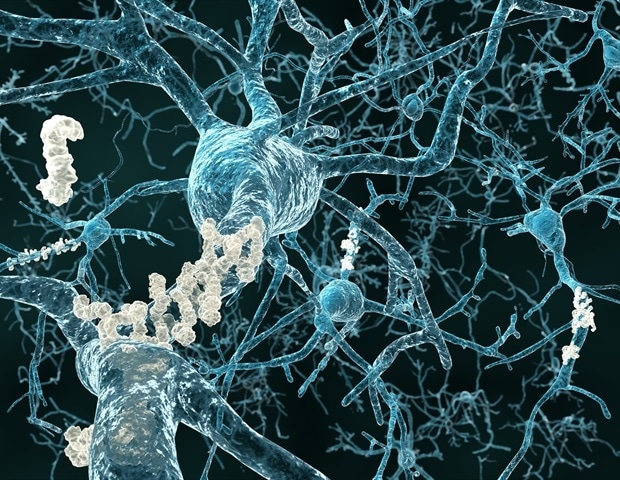
Early Neuroinflammation Linked to Alzheimer’s Risk, Study Finds
A new study has revealed that neuroinflammation, a process involving inflammation in the brain, can begin as early as age 20 and may play a direct role in the development of Alzheimer’s disease, especially in individuals with Down syndrome. researchers believe this finding identifies a potential target for future therapies aimed at delaying or preventing the onset of the disease.
The research,conducted by a team led by Faria,compared neuroinflammation patterns in 29 individuals with Down syndrome and 35 individuals without the condition,all between the ages of 20 and 50. Using positron emission tomography (PET)scanswithspecializedradiopharmaceuticalstheteamvisualizedbothbeta-amyloidplaqueformationandinflammatoryprocesseswithinthelivingbrain
Results showed increased neuroinflammation in the frontal, temporal, occipital, and limbic regions of the brains of those with Down syndrome, even in the younger age group of 20-34. This suggests that the inflammatory process may precede the formation of beta-amyloid plaques, a hallmark of Alzheimer’s disease. A strong correlation between the level of inflammation and beta-amyloid accumulation was particularly noticeable in participants over 50.
To further investigate, researchers also monitored neuroinflammation in genetically modified mice engineered to exhibit characteristics similar to Down syndrome over a two-year period. This allowed for a comprehensive view of disease progression. The combined data from both human and animal studies provided valuable insights into the aging process in individuals with Down syndrome.
The study identified a “biphasic” pattern to the neuroinflammation. Initially, microglia – the brain’s immune cells – appear to act protectively, attempting to counteract changes caused by Down syndrome. However, over time, this response shifts to become pro-inflammatory, perhaps exacerbating neuronal damage. As Faria explained, “It’s as if the brain tries to protect itself, but ends up contributing to the problem.”
While a cure for Alzheimer’s disease remains elusive,this research strengthens the hypothesis that neuroinflammation occurs before beta-amyloid plaque deposition in individuals with Down syndrome. This finding opens avenues for developing therapies to slow or halt the inflammatory process, potentially delaying the onset of Alzheimer’s.
Importantly, the study also demonstrates the viability of using real-time brain imaging to monitor neuroinflammation. This technology allows researchers to assess the effectiveness of potential treatments and facilitates the inclusion of individuals with Down syndrome in Alzheimer’s clinical trials. Faria emphasized the importance of this population, stating they exhibit unique disease development patterns compared to the general population, making them crucial for developing effective and personalized treatments.
Source: São Paulo State Research Support Foundation. https://agencia.fapesp.br/people-with-down-syndrome-have-early-neuroinflammation/56011
Journal Reference: Mantovani,dba,et al. (2025) A chemical epigenetic tool to probe site-specific DNA-binding protein complexes. Alzheimer’s & Dementia. https://doi.org/10.1002/alz.70449
