
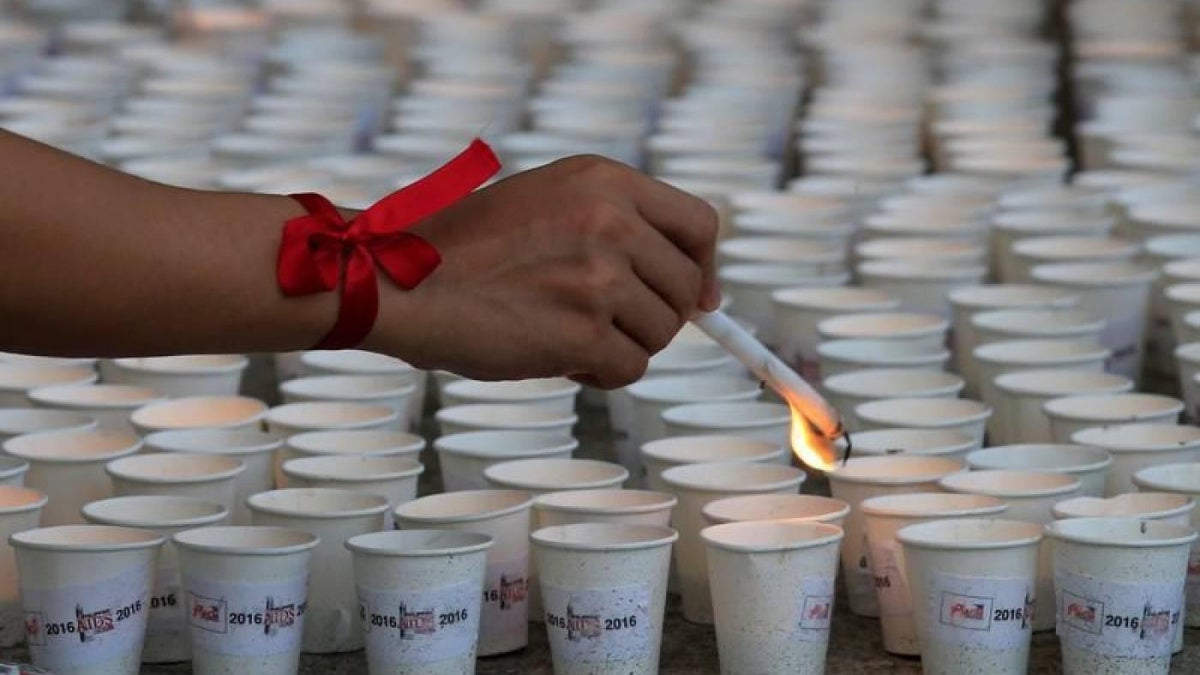
(New York) – Major donor nations dealt a devastating blow to the right to health for millions of peopel worldwide when they cut support for the Global Fund to Fight AIDS, Tuberculosis and Malaria, human Rights Watch said today. Only US$11.85 billion has so far been pledged for 2026-2028 of an urgently needed US$18 billion. All but one of the 10 leading donors reduced their pledges.
“People will die because of donor nations’ decisions to cut pledges to the Global Fund,” said Julia Bleckner, senior health researcher at Human Rights Watch. “Donor nations should immediately step up and close this funding gap.”
The Global Fund provides nearly two thirds of all international financing for tuberculosis programs,more than half for malaria programs,and more than a quarter for HIV programs. since it began in 2002, the Global Fund estimated it has saved 70 million lives. In 2024 alone, the Global Fund said it treated 25.6 million people with HIV and another 7.4 million with tuberculosis.
Human Rights Watch interviewed 47 nongovernmental association workers, health care outreach workers, and aid recipients affected by recent cuts to global health financing in Indonesia, Laos, and Nepal, focusing specifically on HIV/AIDS prevention and care. Human Rights Watch found that global health funding cuts in 2025 have already had a dire impact, especially for marginalized groups that face systemic discrimination and barriers to health care, including men who have sex with men, transgender people, sex workers, and people who use drugs.
Those populations at greatest risk of HIV/AIDS transmission and illness are also often those systematically discriminated against by their governments and for whom community-based programs supported by the Global fund and other international global health mechanisms are a sole lifeline to accessing HIV/AIDS testing, prevention, and care. HIV education, counseling, testing, support, and medication distribution by community-based organizations is a proven evidence-based approach to protecting the health of these groups.
