DOJ Issues Subpoenas in Alaska Senate Race Voter Confusion Probe
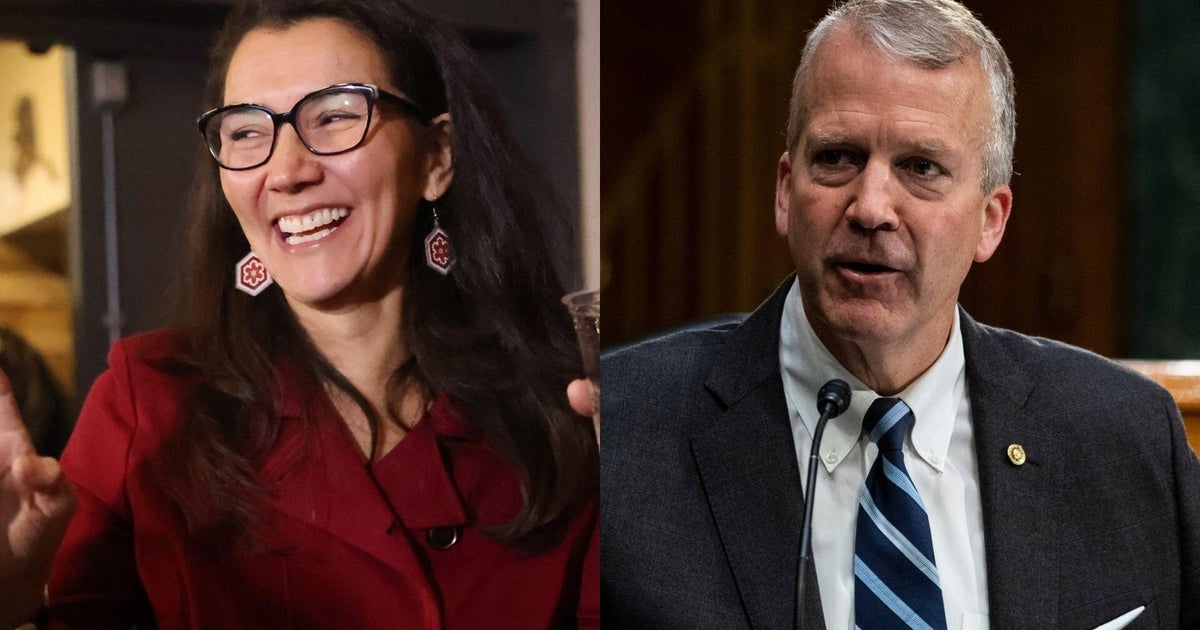
The United States Department of Justice issued a new wave of subpoenas targeting Democratic officials in connection with an ongoing criminal investigation into Alaska’s Senate race, CBS News reported. Investigators are examining alleged efforts by Democrats to recruit a candidate sharing the name of Republican incumbent Sen. Dan Sullivan, a strategy federal prosecutors suggest could violate civil rights statutes protecting the right to vote.
Subpoenas Target Democratic Officials Over Candidate Recruitment
Federal investigators are focusing on several Democratic officials believed to be tied to the recruitment of Daniel J. Sullivan to appear on Alaska’s ballot. No one involved in the race has been charged with a crime.
The criminal probe gained momentum following an investigative report detailing internal emails and text messages from individuals with knowledge of the alleged recruitment efforts. A Justice Department official noted during a press briefing that the department experienced a significant increase in investigative activity surrounding the Alaska race. Officials indicated that such communications could expand the government’s ability to pursue its criminal probe, noting that electronic records are typically difficult to obtain without search warrants or voluntary cooperation.
Federal prosecutors are examining whether the candidate recruitment scheme violated two specific civil rights statutes: 18 U.S.C. Sections 241 and 242. Section 241 prohibits conspiracies to interfere with federally protected voting rights, while Section 242 centers on the willful deprivation of rights under color of law. Prosecutors are evaluating whether a coordinated effort to trick voters into selecting a specific candidate constitutes a federal crime.
During the briefing, a Justice Department official referenced the federal prosecution of Douglass Mackey, who was convicted of conspiracy for posting misleading messages online during the 2016 election. That conviction was ultimately overturned by a federal appeals court in 2025.
Despite the active investigation, a Justice Department official acknowledged that the agency has not confirmed any instances in which an Alaska voter mistakenly cast a ballot for the wrong Dan Sullivan. Daniel S. Sullivan has previously maintained that he was genuinely interested in running for the office.
Civil Lawsuit Amended to Block Certification Over Voter Confusion
The criminal inquiry runs parallel to a civil lawsuit filed by the Trump administration, which seeks to prevent Alaska from certifying the Senate election results if the Republican incumbent loses due to voter confusion. The amended civil lawsuit was updated to incorporate details from the recent reporting on alleged efforts by individuals associated with Democrat Mary Peltola’s campaign to find candidates who could draw votes away from Sen. Sullivan.
The updated federal court filing characterizes the situation as a conspiracy to undermine the electoral process. The lawsuit now includes a second claim for relief under the Constitution’s Supremacy Clause, arguing that judicial intervention is necessary to allow the government to enforce the law.
Peltola’s campaign and the Democratic Senatorial Campaign Committee have denied any connection to the effort to place Daniel J. Sullivan on the ballot. Alaska election officials previously challenged the candidacy, but the Alaska Supreme Court ultimately greenlit it.
President Trump voiced support for the federal legal action, telling reporters that he urged officials to pursue the lawsuit. Meanwhile, Alaska Mike Dunleavy directed a separate state-level investigation, ordering the Alaska Department of Public Safety to examine whether the candidate recruitment effort violated state laws and whether criminal or civil penalties are warranted.
Unanswered Questions Remain Regarding Campaign Knowledge
Federal authorities have not yet determined the full extent of coordination between campaign staff and individuals involved in recruiting namesake candidates. While the Justice Department continues to evaluate electronic communications and weigh potential grand jury subpoenas, prosecutors have not publicly accused specific high-level campaign officials of criminal conduct.
The Department of Justice and attorneys for Peltola’s campaign have not yet responded to additional requests for comment regarding the timing and scope of the newly issued subpoenas. Establishing whether individual voters were actually confused inside voting booths remains a central hurdle for the government’s civil preservation suit.