
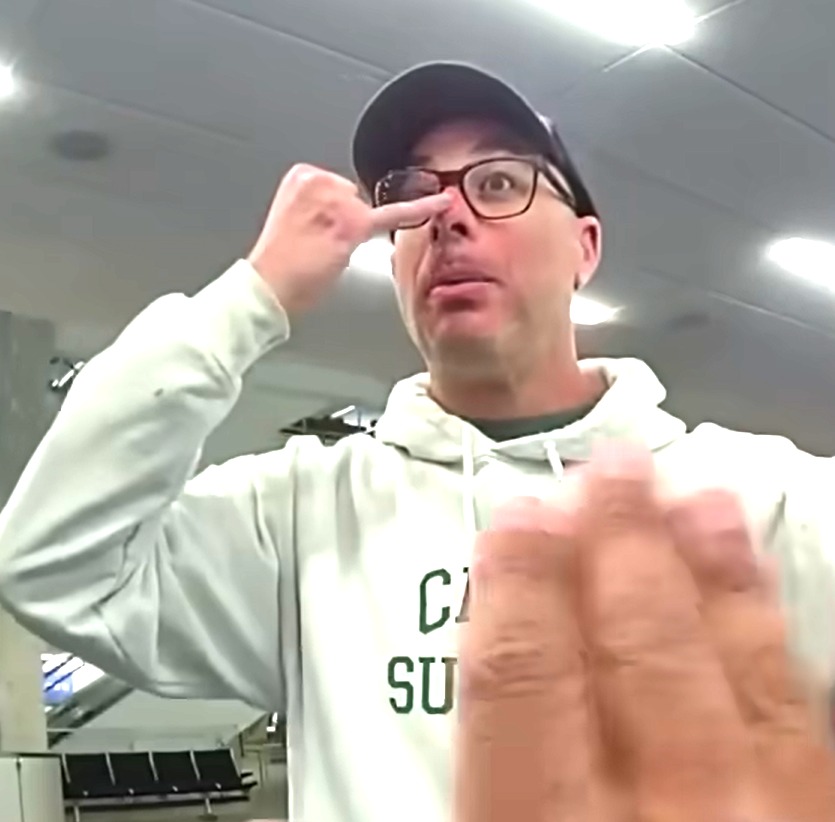
Doctor Denied Boarding After Alleged Intoxication,Highlights Airline & Law Enforcement Powers
FORT LAUDERDALE,FL – A New York doctor was prevented from boarding a JetBlue flight in Fort Lauderdale last week after airline personnel and law enforcement determined he appeared intoxicated,sparking a debate over airline authority and passenger rights. The incident, wich involved a police intervention, underscores the broad discretion airlines have regarding passenger safety and the limitations of passenger arguments in such situations.The situation unfolded when the doctor reportedly became disruptive while attempting to board his flight. According to accounts of the exchange, the doctor repeatedly asserted, ”I’m not doing anything wrong,” and claimed his New York patients would be impacted by the delay. Law enforcement was called to the scene, and an officer reportedly told the doctor’s spouse that the airline had likely “blacklisted” him.
However,experts say such a swift “blacklisting” is highly improbable. Airlines are permitted to refuse transport to passengers deemed a safety risk under federal law (49 U.S.C. § 44902(b)). The Federal Aviation administration (FAA) explicitly prohibits boarding anyone who appears intoxicated (14 C.F.R. § 121.575), and airlines like JetBlue reinforce this in their Contract of Carriage, reserving the right to refuse transport on safety grounds. Airline elite status,like JetBlue’s mosaic level,does not override these safety regulations.
The incident highlights a growing trend observed during the pandemic, when airlines temporarily suspended inflight alcohol service, leading to increased “pre-gaming” by passengers at airports – and attempts to bring alcohol onboard. Reduced gate staff, focused more on baggage compliance than passenger condition, have also contributed to instances of intoxicated passengers reaching the boarding gate. In this case, the doctor may have successfully boarded had he checked in via the JetBlue app and proceeded directly to the gate.
While Florida law addresses disorderly intoxication in public as a misdemeanor, and refusing to leave after a warning can constitute trespass, the doctor wasn’t promptly subjected to either. Airlines typically offer rebooking options, as was discussed in this case with a morning flight, allowing time for the passenger to sober up.
Crucially,airline bans are not typically issued by gate agents. These decisions are made at the corporate level following an inquiry by a security team, and are generally reserved for more serious offenses like threats, assault, or significant disruptions causing financial loss.
Experts advise that passengers denied boarding, regardless of the reason, should cease arguing with personnel. Rather, they should politely request option travel arrangements and address any perceived unfair treatment through higher-level airline representatives after the immediate situation is resolved.”Status – whether airline status or professional standing – doesn’t negate the impact of intoxication,” emphasizes the analysis. “Airlines operate under a federal safety mandate, and law enforcement has trespass authority. Escalating a situation through argument can quickly lead to arrest and a permanent negative outcome.”
