Dietary Intake and Nutrition Data Analysis in Allo-HCT Patients
Sugar-rich foods and beverages severely exacerbate antibiotic-induced disruptions of the human gut microbiome, according to a cohort study of adult allogeneic hematopoietic cell transplantation recipients conducted at Memorial Sloan Kettering Cancer Center between 2017 and 2022.
- The analysis demonstrated that consumption of foods within the sugars, sweets, and beverages category amplified the depletion of beneficial gut flora during standard antimicrobial therapy.
- Findings indicate that inpatient nutritional management during heavy antibiotic administration requires strict monitoring of carbohydrate and refined sugar intake to protect gastrointestinal ecosystem stability.
Cohort Study Design and Nutritional Tracking Methods
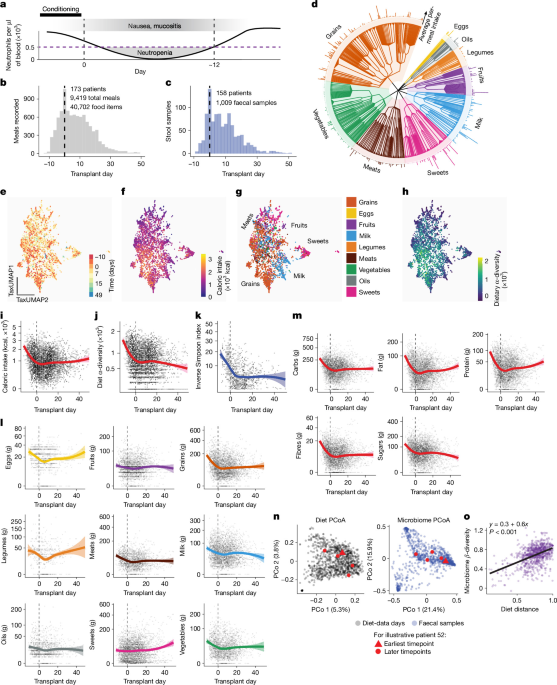
The clinical research evaluated adult patients admitted for allogeneic hematopoietic cell transplantation at Memorial Sloan Kettering Cancer Center from 2017 through April 2023. During hospitalization, participants recorded their meal consumption three times weekly using commercial hospital kitchen software items paired with bedside support from registered dietitians. To ensure cross-patient comparability without confounding variables from differing water contents, researchers stripped water fractions from the total food weight. For enteral nutrition formulations lacking a standardized solid weight, investigators employed an additive approach summing individual protein, fat, and carbohydrate gram weights. This methodology established the dehydrated weight of distinct food items consumed daily, focusing specifically on categories defined by the Food and Nutrient Database for Dietary Studies.
Categorization via the Food Tree Framework
Investigators structured consumed items using a specialized food tree mapping 622 unique dietary entries across nine broad food groups, including grain products, vegetables, meats, milk items, sweets, fruits, legumes, fats, and eggs. Complex items combining multiple categories, such as a milk-based mango smoothie, underwent manual classification based on the closest descriptive match within the taxonomy. The hierarchical organization of this vocabulary enabled researchers to apply alpha-diversities to diet data via Faith phylogenetic distance metrics implemented through Qiime2 software. By tracking specific categories like the sweets group, the team quantified exact nutrient loads ingested during the vulnerable window of transplantation conditioning regimens.
Clinical Implications for Immunocompromised Recovery
The Memorial Sloan Kettering data establish that high intake of refined sugars actively worsens this microbial erosion. Controlling nutritional delivery during intensive inpatient care is therefore critical for preserving microbiome resilience.
Disclaimer: The information provided in this article is for educational and scientific communication purposes only and does not constitute medical advice. Always consult with a qualified healthcare provider regarding any medical condition, diagnosis, or treatment plan.