Dietary Guidelines Set Daily Protein Goal at 1.2 to 1.6 Grams
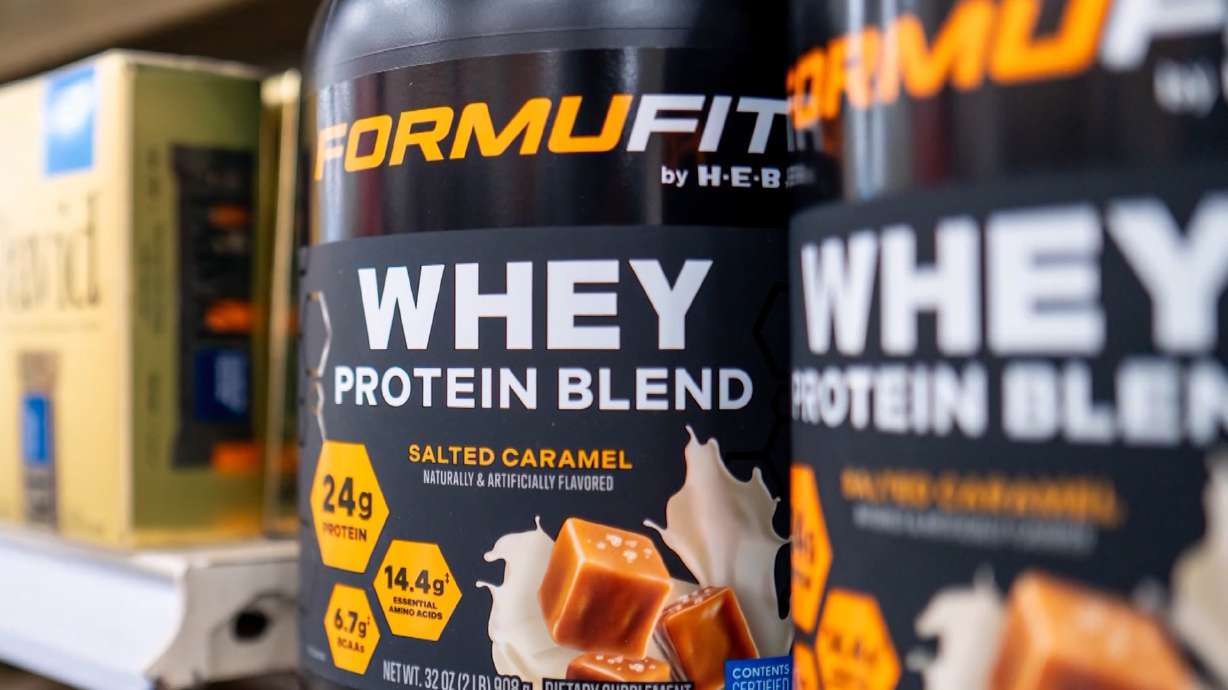
According to ksl.com, protein-infused merchandise is currently proliferating across the market, appearing in everything from protein water and chips to coffee, bars, and shakes.
Key Clinical Takeaways:
- The Dietary Guidelines for Americans, 2025–2030, set a daily protein serving goal of 1.2 to 1.6 grams per kilogram of body weight.
- Registered dietitian Sheila Patterson with Intermountain Health recommends spreading protein intake throughout the day rather than consuming large amounts in a single sitting.
- Protein is only one part of a healthy diet, and excessive focus on it can crowd out other vital nutrients like fiber, carbohydrates, and healthy fats.
Renee Aker and Timmy Jepsen on the Protein Market Boom
Consumers view the expanding array of protein-infused products with a mix of amusement and strict dietary tracking. Renee Aker, who has long been interested in health and nutrition, noted the sheer volume of available items. “There’s so many,” Aker said. “I think the protein pretzels really make me laugh a little bit.” Meanwhile, other shoppers enforce strict personal metrics for daily consumption. “I try to hit at least my body weight in grams. So … at least 200 grams a day,” Timmy Jepsen said.
Sheila Patterson Explains Intermountain Health Dietary Recommendations
Registered dietitian Sheila Patterson with Intermountain Health stated that while protein has undoubtedly become a major industry, individual requirements vary significantly based on body weight, activity level, and personal health goals. “It really is confusing seeing different people share, ‘This is how much protein I eat in a day.’ That might not be the right amount for another person,” Patterson said. Daily protein serving goals of 1.2 to 1.6 grams for every kilogram of body weight are established by the Dietary Guidelines for Americans, 2025–2030, in order to offer a standardized framework. Patterson noted that registered dietitians can help individuals determine their exact target figures.
Patterson Recommends Spreading Protein Intake Throughout the Day
Rather than consuming massive quantities in single sittings, Patterson recommends spreading protein intake throughout the day. She advises aiming for about 20 to 30 grams at each meal. For instance, two eggs contain about 14 grams of protein, and adding two pieces of lean chicken or turkey sausage brings the meal total to approximately 24 grams. Patterson emphasized that more protein is not always better if it displaces other dietary essentials. “What are we losing? Are we losing fiber? Are we not getting enough carbohydrate or healthy fats?” she said. “We don’t want the protein to crowd out these other important nutrients.” She also cautioned against consuming extremely large portions of 50, 60, or 70 grams at once.
Whole Foods Remain the Preferred Protein Source
Whole-food protein sources remain the preferred standard, including beans, lentils, legumes, nuts, seeds, and lean animal proteins. However, Patterson acknowledged that shakes, bars, and other high-protein products offer utility for convenience or for individuals struggling to meet daily requirements through whole foods alone. “As long as you’re having them occasionally, not dependent on them and including a variety of protein sources, that’s going to be the best way to handle it,” she said. Patterson pointed out that the growing adoption of GLP-1 medications for weight loss may explain part of the recent spike in protein attention, as patients using these treatments need adequate protein to maintain lean muscle mass while experiencing suppressed appetites. She added that those individuals must still balance their intake with fiber, nutrient-dense fruits and vegetables, carbohydrates, healthy fats, and adequate fluids.
“As long as you’re having them occasionally, not dependent on them and including a variety of protein sources, that’s going to be the best way to handle it.”