
Japanese Researcher Claims First Detection of Dark Matter, Findings Under Scrutiny
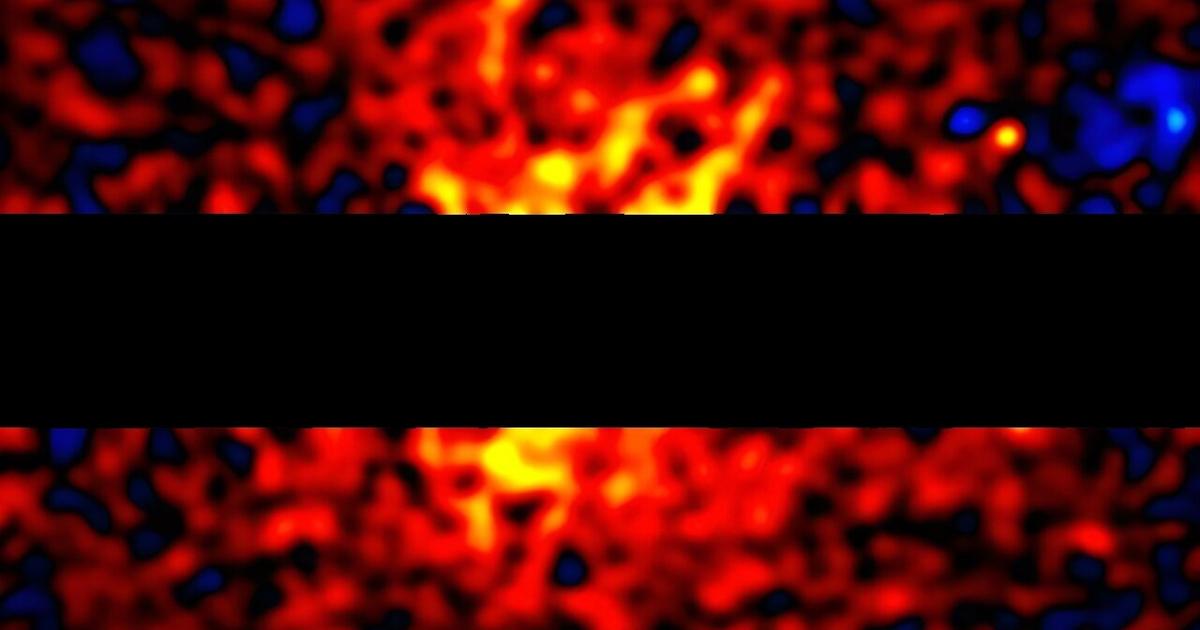
Tokyo, Japan – December 4, 2025 – A research team led by Professor Hiromasa Toda at the University of Tokyo has announced potential evidence for the direct detection of dark matter, a mysterious substance comprising roughly 85% of the universe’s mass. The findings, published December 3, 2025, detail observations made using a novel detector designed to capture extremely faint interactions between dark matter particles and ordinary matter. While hailed as a potential breakthrough, the claims are currently undergoing rigorous review by the international scientific community.
the elusive nature of dark matter has long puzzled physicists. Its existence is inferred from its gravitational effects on visible matter, such as galaxies and galaxy clusters, but it does not interact with light, making it unfeasible to observe directly with conventional telescopes. A confirmed detection would revolutionize our understanding of the universe’s composition and evolution, possibly opening new avenues for physics beyond the Standard Model. The Toda team’s work focuses on axions, a leading dark matter candidate, and if verified, could resolve a decades-long search.
Professor Toda’s team employed a specialized detector, dubbed a “haloscope,” at the Center for Underground Physics in Kamioka. This device is tuned to search for axions converting into photons-particles of light-within a strong magnetic field. The team reports observing a weak signal consistent with the predicted properties of axions, tho they emphasize the need for further data and independent verification to rule out any potential background noise or systematic errors.
The research has already sparked debate among experts. Some physicists express cautious optimism,acknowledging the innovative approach and meticulous methodology. Others remain skeptical, citing the extremely low signal strength and the challenges of definitively isolating a dark matter signal from other potential sources. Further experiments and analyses are planned to confirm or refute the findings, with the scientific community eagerly awaiting conclusive evidence.
