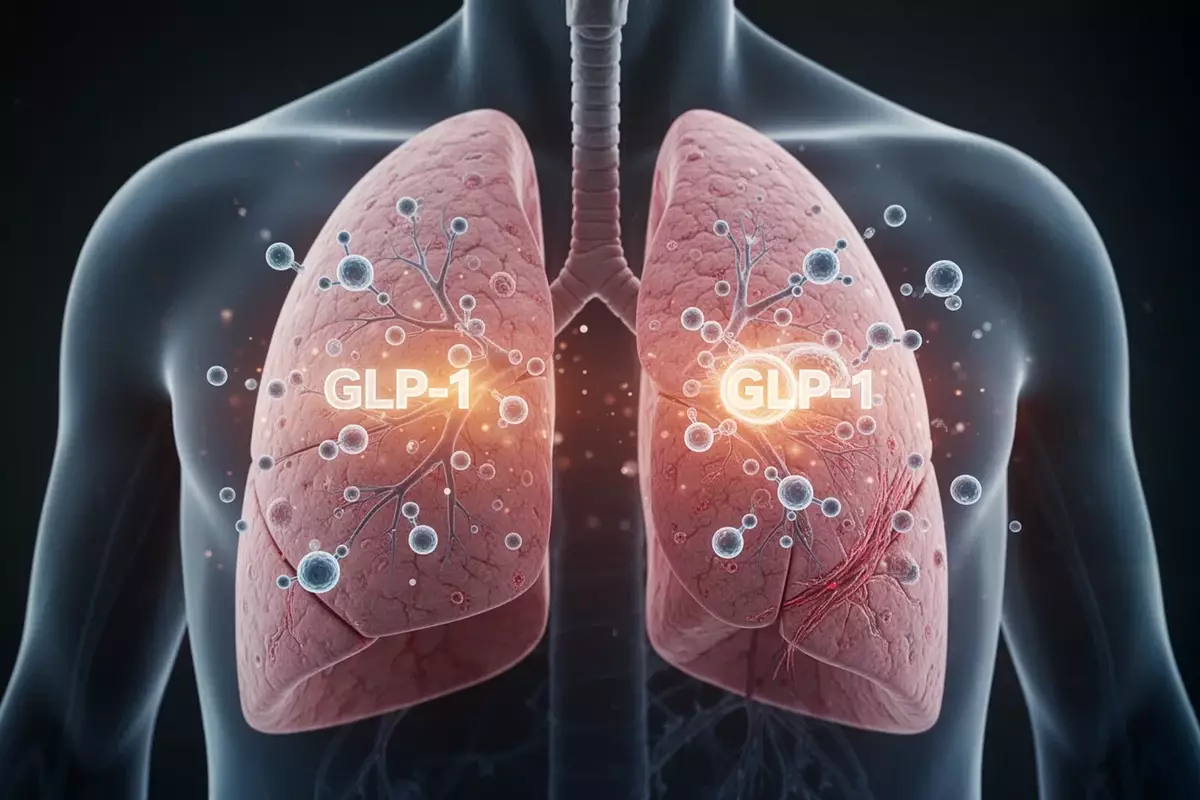
Diabetes Drugs May Protect Against Post-COVID Lung Fibrosis
Recent clinical investigations indicate that GLP-1 receptor agonists, primarily utilized for type 2 diabetes management and weight loss, may mitigate pulmonary fibrotic changes associated with post-acute sequelae of SARS-CoV-2 (PASC), commonly referred to as Long COVID. Emerging data suggest these agents exert anti-inflammatory effects that extend beyond glycemic control, potentially addressing the underlying dysregulated immune response seen in persistent lung tissue damage.
Key Clinical Takeaways:
- GLP-1 receptor agonists appear to reduce the risk of pulmonary fibrosis in patients recovering from severe COVID-19 by modulating systemic inflammatory pathways.
- The observed therapeutic benefit is linked to the drug’s ability to suppress proinflammatory cytokine production, which often persists long after the initial viral clearance.
- Patients experiencing persistent respiratory insufficiency or exertional dyspnea should consult with a pulmonologist to discuss whether their current metabolic management overlaps with emerging anti-fibrotic research.
Mechanisms of GLP-1 Agonists in Pulmonary Fibrosis
The pathogenesis of Long COVID-related lung injury involves a sustained state of chronic inflammation, often characterized by the activation of fibroblasts and the subsequent deposition of extracellular matrix proteins. According to research published via portals including PubMed, GLP-1 receptor agonists function by activating receptors expressed not only in the pancreas but also in vascular endothelial cells and immune cells, including macrophages. By dampening the NLRP3 inflammasome pathway, these medications may prevent the transition from acute viral pneumonitis to irreversible pulmonary fibrosis.
This biological mechanism is particularly relevant for patients with pre-existing metabolic syndrome, who represent a significant portion of the high-risk cohort for severe COVID-19. Pharmaceutical developers have increasingly focused on the pleiotropic effects of these molecules, with funding for ongoing longitudinal studies often provided by large-scale clinical research grants from entities like the National Institutes of Health (NIH) or through industry-sponsored Phase III trials conducted by major pharmaceutical manufacturers.
Evaluating the Clinical Evidence and N-Values
Current evidence, while promising, requires careful interpretation regarding dosage and patient selection. Dr. Elena Rossi, a specialist in respiratory immunology, notes that while the “anti-inflammatory signal is statistically significant in observational cohorts, we must distinguish between systemic metabolic improvement and targeted pulmonary tissue repair.” Large-scale, double-blind, placebo-controlled trials are essential to determine if GLP-1 therapy can serve as a standard of care for post-viral fibrotic conditions or if its efficacy is limited to those with concurrent metabolic dysfunction.
The clinical gap remains substantial. Patients who recovered from severe COVID-19 often report persistent cough and reduced lung capacity, yet they lack specific pharmacological interventions to arrest the fibrotic process. For those suffering from these symptoms, it is critical to seek an evaluation from a board-certified pulmonologist or post-COVID recovery center to determine if current diagnostic imaging reveals early-stage fibrosis.
Healthcare Infrastructure and Diagnostic Triage
The integration of GLP-1 agonists into broader treatment protocols for Long COVID necessitates a multidisciplinary approach. Primary care providers are currently at the forefront of identifying which patients may benefit from these therapies, particularly those who exhibit a high body mass index (BMI) and persistent inflammatory markers such as elevated C-reactive protein (CRP). Diagnostic centers specializing in high-resolution computed tomography (HRCT) are vital for monitoring lung parenchyma changes in these patients.
From a B2B perspective, clinics and hospital systems must ensure their supply chain for these medications is stable, given the global demand. Healthcare compliance attorneys are frequently retained by large medical networks to navigate the shifting regulatory landscape surrounding off-label use and insurance reimbursement for these agents in the context of PASC. Ensuring that patients have access to vetted specialty pharmacies and diagnostic imaging facilities remains a priority for managing the long-term burden of COVID-19.
Future Trajectory of Anti-Fibrotic Research
As research matures, the medical community expects more granular data on how GLP-1 analogs interact with the lung’s microenvironment. Future studies are likely to focus on the duration of therapy required to achieve measurable regression of fibrotic lesions. According to the World Health Organization, the global burden of post-viral syndromes necessitates a shift toward targeted, mechanism-based therapies rather than purely symptomatic management.
Clinicians and patients are encouraged to monitor updates from peer-reviewed journals to stay informed on trial outcomes. If you or a patient are navigating the complexities of Long COVID, connecting with an expert multidisciplinary care team is the most effective strategy to integrate emerging clinical findings into a personalized treatment plan.
Disclaimer: The information provided in this article is for educational and scientific communication purposes only and does not constitute medical advice. Always consult with a qualified healthcare provider regarding any medical condition, diagnosis, or treatment plan.