
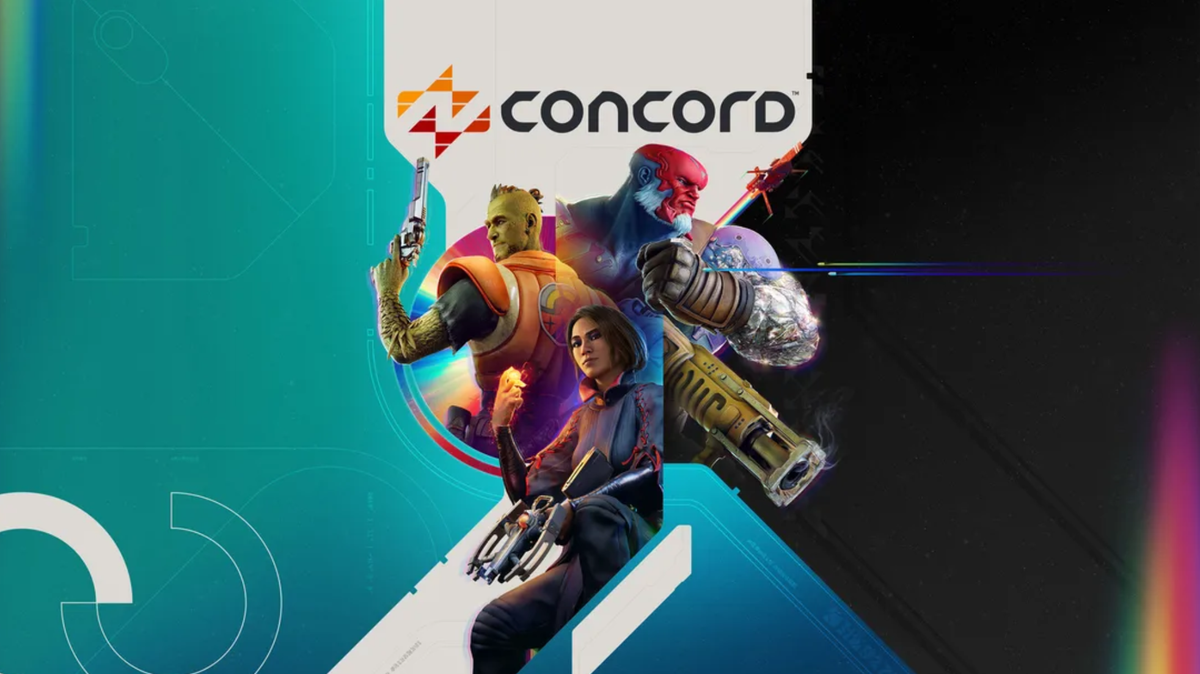
Dead Game, Second Life: Fans Revive Sony’s Failed Shooter Concord Thru Reverse Engineering
By Rachel Kim, World-Today-News.com - Just weeks after sony Interactive Entertainment pulled the plug on its Overwatch-like shooter Concord, a dedicated group of fans is attempting the seemingly impossible: bringing the game back to life. Despite a swift shutdown following disappointing sales – estimated at under 25,000 units – and the closure of developer Firewalk Studios,a small team of hobbyist reverse engineers is meticulously reconstructing Concord‘s servers and code.
The story of Concord is a cautionary tale of ambition and market realities. Launched with fanfare, the game failed to capture a ample player base, leading Sony to refund purchases and ultimately shutter Firewalk Studios, leaving approximately 200 developers unemployed. While game director Ryan Ellis acknowledged that certain elements of Concord “resonated with players,” the overall launch fell short of expectations.
But for three individuals – known online as real, Red, and gwog – the game’s demise wasn’t an ending, but a challenge. “I just like the virtual equivalent of taking things apart and putting them together,” gwog explained in an interview with Aftermath.
The team recently announced they’ve successfully gotten a build of Concord running, posting a video of gameplay on YouTube. This isn’t Red’s first resurrection. He previously led the effort to revive the online shooter LawBreakers, and was drawn to concord by both its technical complexity and its untimely death.
“I pretty much always do this when games die,” Red said. “There’s also part of it that is due to the technical challenge that Concord brings with it, it’s probably the most complex project I’ve worked on so far, and that really motivated me to keep going.”
How Do They Do It?
Reverse engineering a game to run on independent servers is a complex undertaking. Red explained that most games share code between the client (the game itself) and the server. His team utilized a method to essentially “activate” dormant server code within the game itself, filling in the missing pieces through a painstaking process of code reconstruction.
“We do pretty much always need to fill in the gaps though, that involves a ‘trying to find a needle in a haystack’ approach of just trying to find something that doesn’t exist, and recreating it,” Red detailed.
The process was further complex by concord’s anti-tamper software, designed to prevent cheating. Rather than attempting to crack the software – which Red described as “nearly impossible” – the team discovered an exploit to decrypt the game’s code, allowing them to begin rebuilding the necesary server infrastructure.
Real, who was new to reverse engineering, described the work as “building something without the instructions,” ofen relying on fragmented clues to piece together the game’s backend API.
A Testament to Passion – and a Critique of the Industry?
The efforts of real, Red, and gw
