
Dengue, Chikungunya, and Oropouche Fever Circulate in Cuba, Raising Concerns
Cuban health officials are reporting a complex epidemiological situation with the concurrent circulation of dengue, chikungunya, and Oropouche fever across the island. While specific patient numbers remain undisclosed, authorities have confirmed the presence of dengue in 12 provinces and chikungunya transmission in eight.
the first cases of chikungunya were detected in July within the Popular Council of España Republicana, in the Perico municipality of Matanzas province, and have since spread to other areas. Oropouche fever is reportedly in a declining phase, though officials also cautioned about the ongoing circulation of seasonal respiratory viruses and outbreaks of hepatitis A within closed populations.
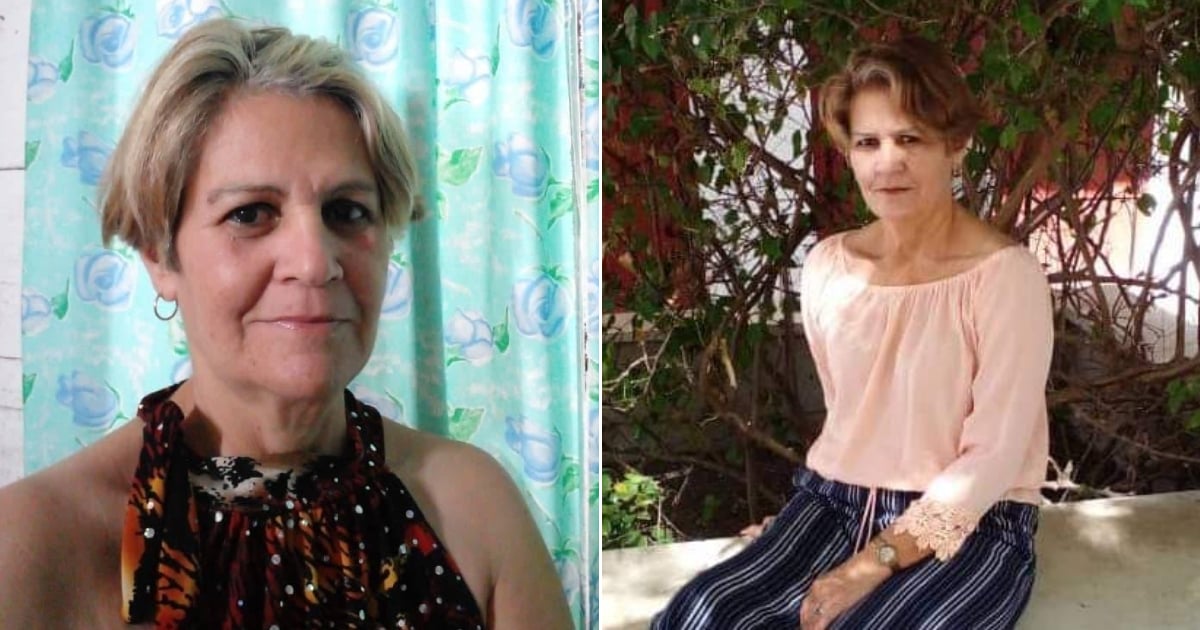
A recent report indicates the death of a woman in Cifuentes due to complications related to these illnesses.
Vice Minister of Public Health, Dr. Peña, urged citizens experiencing fever symptoms to seek immediate medical attention. Though, access to care is proving difficult for many. Reports from affected individuals detail long wait times at health centers, shortages of reagents needed for clinical examinations, and overwhelmed hospitals struggling to accommodate all patients requiring admission.
Current Situation & Government Response: Cuba is currently facing an epidemiological crisis. The government is implementing a strategy of home admission for patients without underlying health conditions and prioritizing fumigation efforts in areas with active transmission. However, the effectiveness of these measures is hampered by shortages of insecticides and personnel.
Criticism & Public Concerns: The Cuban government faces criticism regarding a perceived lack of transparency in addressing the crisis and a slow initial response to acknowledging reported deaths. This has fostered distrust among the population.
Preventative Measures: citizens are advised to prioritize avoiding mosquito bites through the use of repellent, wearing protective clothing, and eliminating potential mosquito breeding sites by removing standing water from containers. Despite this advice, accessing timely and adequate medical care remains a significant challenge.
