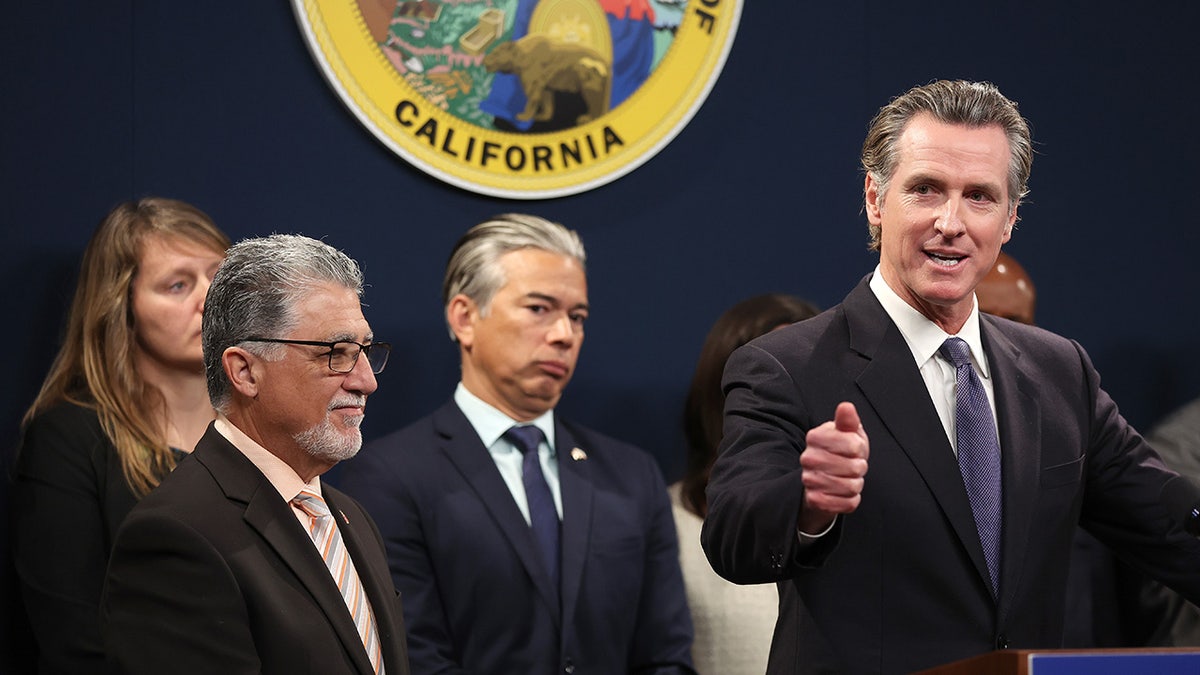
Democratic Attorneys General Strategize to Trump-Proof Midterm Elections
Colorado Attorney General Phil Weiser and more than 20 Democratic attorneys general nationwide are executing a coordinated, year-long strategy to Trump-proof the Nov. 3 midterm elections. Operating from Denver, these officials are utilizing historical research, legal war-gaming, and pre-drafted emergency lawsuits to counter potential federal intervention, polling place intimidation, and executive overreach.
The View from Denver and the Threat from Within
High above downtown Denver in his 10th-floor office, Phil Weiser looks out past the gold-domed Capitol toward a political horizon shaped by profound apprehension. Rather than focusing on foreign actors or terrorist threats, Weiser identifies the federal government itself as the primary source of potential election interference. “With this administration what we have seen is it’s important that we not limit our imagination to what … type of harm could happen,” Weiser said during a sunny noon hour in the Mile High City.
That perspective has driven Weiser, California Attorney General Rob Bonta, and over 20 other Democratic attorneys general into continuous strategy sessions via Zoom, phone calls, and in-person meetings. Together, they have systematically researched legal frameworks, war-gamed prospective crisis scenarios, and divided responsibilities to ensure they can respond instantly to any disruption on Nov. 3. Rather than scrambling to file motions in real-time, the coalition has prepared emergency lawsuits and temporary restraining orders in advance.
“We have prepared for a range of contingencies … so that we’re ready to act,” Weiser stated, emphasizing that their approach relies on pre-planned execution rather than midnight all-nighters.
Grassroots Mobilization and Legal Safeguards
To protect the franchise against potential internal disruptions—such as armed federal agents deployed to polling locations—state Democratic parties across the country are organizing to recruit 10,000 volunteers. These individuals are tasked with monitoring polling sites, while parallel public education campaigns and dedicated voter hotlines work to assist anyone encountering ballot access barriers.
Civil rights organizations, democracy-defending groups, and a bloc of Democratic U.S. senators have conducted independent tabletop exercises to rehearse responses to aggressive administrative tactics. Democratic elections attorney Marc Elias underscored the necessity of these measures during a July interview at the Capitol, pointing directly to the events of 2020. “What we’re doing is preparing for the fact that Donald Trump, in 2020, lied about the election in advance, lied about it in the aftermath, went to court … and then he instigated a violent insurrection in this very building,” Elias told MS NOW. “So I think we need to take these threats in the 2026 midterm run-up … both seriously and literally.”
Filling the Legislative Vacuum
With a Republican-led Congress largely declining to exert traditional legislative checks and balances, state attorneys general have stepped into the institutional breach. During Trump’s second term alone, the nation’s 24 Democratic attorneys general have filed more than 125 lawsuits challenging executive actions on trade, tariffs, energy, immigration, and efforts to dismantle federal agencies. The majority of these adjudicated or settled cases have resulted in wins for the state coalition.

This active posture has defined much of Weiser’s tenure in Colorado, where his legal battles against the administration helped shape his political standing ahead of the November election. The administration’s stated goals—ranging from restricting birthright citizenship and disrupting postal ballot delivery to deploying Immigration and Customs Enforcement in manners state officials view as unlawful—formed the baseline of worst-case projections that attorneys general anticipated well before Trump’s return to office.
As election day approaches, those contingency plans move from preparation to practice. For communities and voters seeking to ensure their rights remain protected against administrative coercion or systemic disruption, consulting experienced civil rights legal counsel or specialized election protection organizations remains a critical step for managing complex state and federal jurisdictions.