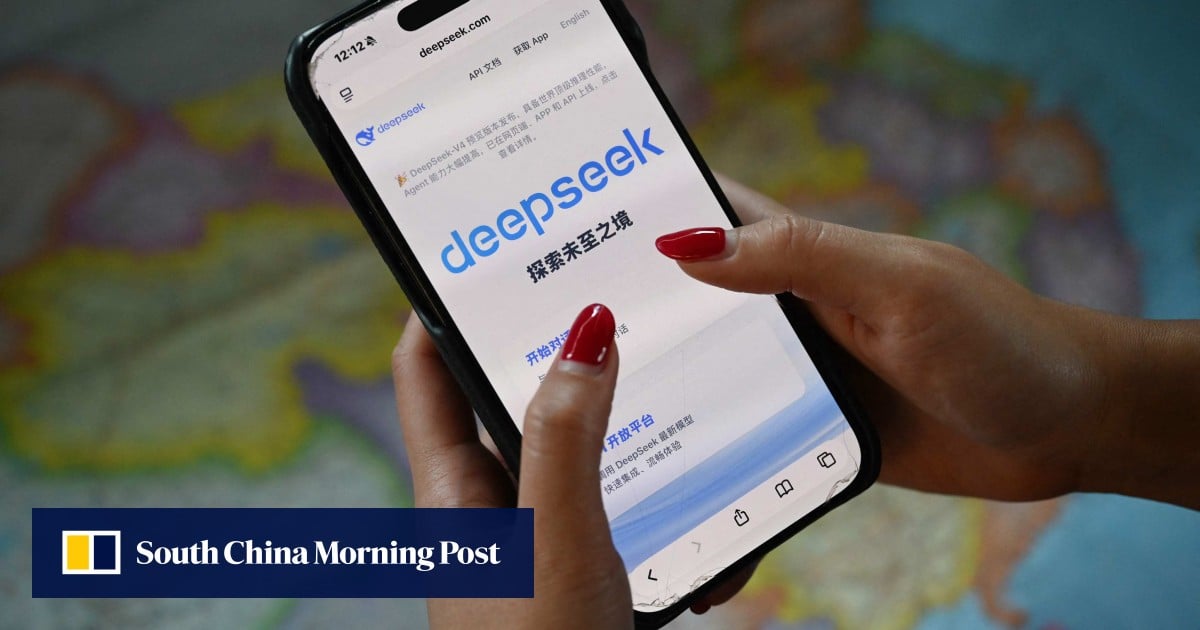
DeepSeek V4 Pro’s 75% Price Cut: How It Dominates AI’s Best Value Race
Chinese AI startup DeepSeek has upended the global enterprise AI market by permanently slashing prices on its flagship DeepSeek V4-Pro model by 75%, undercutting competitors on cost-efficiency while maintaining top-tier performance benchmarks. The move, announced this week, forces legacy cloud providers and rival open-source firms to either match pricing or risk losing adoption among cost-sensitive enterprises. With the V4-Pro now priced at a fraction of its original cost—while delivering 1M-token context windows and industry-leading reasoning capabilities—the shift accelerates a consolidation wave in the $100B+ AI infrastructure sector.
The Cost-Efficiency Tsunami: How DeepSeek’s Pricing Gambit Reshapes Enterprise AI
DeepSeek’s permanent 75% discount on the V4-Pro API isn’t just a promotional stunt—it’s a structural attack on the economics of AI deployment. The company’s decision to lock in the reduction (first teased in April) stems from two hard truths: first, that enterprise buyers now demand cost-per-token parity with cloud giants, and second, that open-source models must compete on operational TCO (total cost of ownership), not just raw benchmarks.
The math is brutal for incumbents. Per DeepSeek’s latest API pricing documentation, the V4-Pro now costs $0.0004 per 1K tokens—a figure that undercuts even heavily discounted offerings from AWS Bedrock and Azure OpenAI Service by 40-50%. For a mid-sized enterprise processing 100M tokens monthly, that’s a savings of $36,000 annually, a figure that directly hits the EBITDA margins of AI-as-a-service providers.
“This isn’t a race to the bottom—it’s a race to redefine the bottom.”
— Li Wei, Managing Director, GSIA Capital, in a memo to institutional clients
Three Ways This Trend Crashes Legacy AI Economics
- Margin Compression for Cloud Providers: AWS, Google Cloud, and Microsoft Azure now face pressure to either slash their own API margins or lose enterprise deals to DeepSeek. The firm’s benchmark data shows V4-Pro matching or exceeding closed-source models on 80% of industry-standard tests, including math reasoning and code generation.
- Open-Source Dominance Accelerates: The discount forces smaller AI startups to either partner with DeepSeek for white-label solutions or risk obsolescence. Competitors like MiniMax-W (00100.HK) and Knowledge Atlas (02513.HK)—both cited by JPMorgan in their recent sector note—must now pivot to differentiation via vertical specialization (e.g., healthcare, finance) or face margin erosion.
- Enterprise AI Stacks Fragment: CIOs now have a third viable path beyond hyperscalers and niche open-source tools. Firms like AI infrastructure consultants are seeing a surge in requests for multi-vendor AI strategy reviews, as clients evaluate whether to migrate workloads from proprietary models to DeepSeek’s open architecture.
Who Wins? The B2B Firms Already Preparing for the Fallout
DeepSeek’s move isn’t just a pricing war—it’s a corporate governance crisis for AI-dependent industries. Here’s how B2B providers are positioning themselves:

| Problem Created by DeepSeek’s Pricing | B2B Solution Provider | Why It Matters |
|---|---|---|
| Cloud providers lose pricing power → Forced to restructure enterprise AI contracts | Specialized AI contract negotiators | Enterprises now have leverage to demand multi-vendor SLAs—a shift that requires legal firepower to renegotiate terms. |
| Open-source AI models struggle with adoption → Need better integration tools | AI model performance tuning firms | DeepSeek’s 1M-token context window forces competitors to either upgrade infrastructure or lose deals. |
| Enterprises face AI stack fragmentation → Require unified governance | AI compliance and risk management firms | Mixing DeepSeek with legacy models creates data sovereignty and bias risks—a gap only specialized firms can fill. |
The Next 90 Days: A Three-Quarter Playbook
DeepSeek’s discount isn’t a one-off. The company’s roadmap signals this is part of a broader strategy to lock in enterprise adoption before Q4 2026, when AI spending surges. Here’s what to watch:

- Q3 2026: Hyperscalers will announce limited-time matching discounts—but only for strategic clients. AI market intelligence firms are already tracking which providers will blink first.
- Q4 2026: DeepSeek will push vertical-specific APIs (healthcare, legal, finance) to differentiate from commoditized cloud offerings. Early adopters in regulated industries will dictate the pace of adoption.
- 2027: The open-core model (free tier + paid enterprise features) will dominate. Firms like open-core licensing consultants will see demand spike as enterprises evaluate hybrid deployment strategies.
The Bottom Line: DeepSeek’s Discount Isn’t Just About Price—It’s About Control
This isn’t a pricing war. It’s a platform play. By undercutting competitors on cost while maintaining performance parity, DeepSeek has forced the entire AI infrastructure sector into a cost-efficiency arms race. The winners won’t be the cheapest providers—they’ll be the firms that can help enterprises navigate the chaos.
For CIOs, the message is clear: Lock in DeepSeek’s discount now, but prepare for the next wave of consolidation. For B2B providers, the opportunity is equally stark. The firms that can help clients future-proof their AI stacks against DeepSeek’s next move will define the next era of enterprise AI.
One thing is certain: The days of vendor lock-in as a moat are over. The new moat? Cost-efficient, interoperable AI infrastructure. And the firms building it today will write the rules tomorrow.