
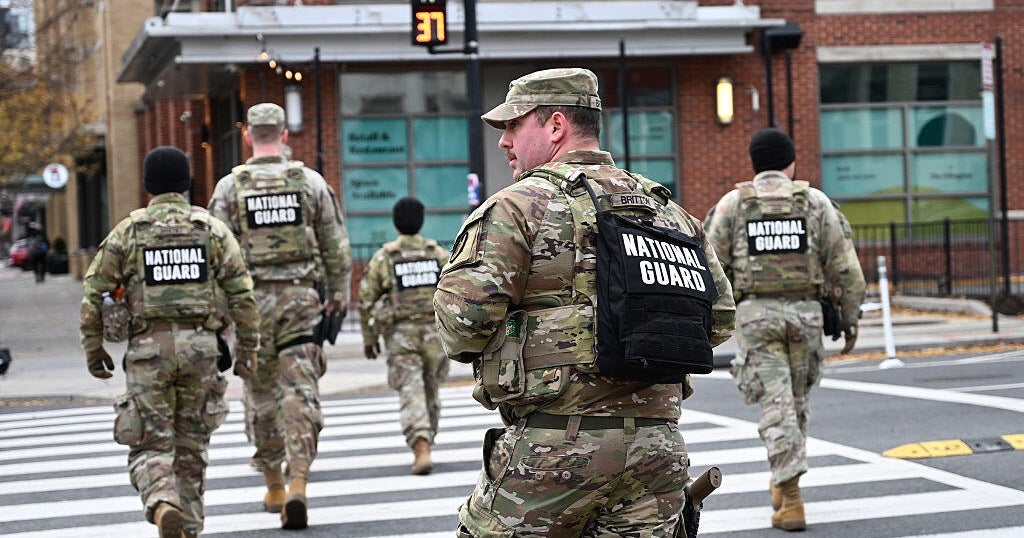
D.C. National Guard Shooting Suspect Exhibited Isolation, Mental Health Struggles in Months Leading Up to Attack, Emails Show
WASHINGTON – The suspect in the recent shooting near the White House, who has been identified as a member of the D.C. National Guard, displayed prolonged periods of isolation and reported struggles with mental health in the months preceding the incident, according to emails reviewed by CBS News. The revelations raise questions about screening processes and support systems for National Guard members deployed to Washington, D.C.
The emails,dating back to 2024,detail concerns about the suspect’s well-being and behavior. Sources familiar with the correspondence indicate he spent “weeks on end” isolating himself and expressed difficulties with his mental health. This information emerged as investigators continue to probe the motive behind the shooting, which left two National Guard members injured.
The suspect, who sought asylum in the U.S. in December 2024 and was granted it in April 2025,underwent extensive vetting – including background checks,social media reviews,and in-person interviews – as part of the asylum process.Despite this, concerns about his mental state persisted, according to the reviewed emails.
Homeland Security Secretary Kristi Noem claimed the suspect was “radicalized as he’s been here in this country,” suggesting connections to his home community.Though, an early review of his social media and messaging channels has not revealed links to foreign handlers or extremist groups, according to multiple U.S. officials.
Shawn VanDiver, president of AfghanEvac, a nonprofit advocating for Afghan resettlement, emphasized that the incident does not reflect the broader Afghan community, which “continues to contribute across the United states and undergoes some of the most extensive vetting of any immigrant population.”
The suspect remains hospitalized,sedated and on a ventilator,complicating investigative efforts to interview him. U.S. intelligence analysts are currently examining his communications and online activity for any signs of international coordination or ideological radicalization.
