
Record ISS Supply Mission Faces Delay, Cargo at Risk
Northrop Grumman is adjusting its launch schedule for the NG-23 mission, a flight intended to deliver the heaviest cargo load ever sent to the International Space Station (ISS) by a commercial vehicle.The delay stems from damage sustained to the pressurized cargo module during transport from its manufacturer in Italy. While repairs are being considered for future use,the company has opted to prioritize launching the next Cygnus spacecraft already prepared for flight this month.
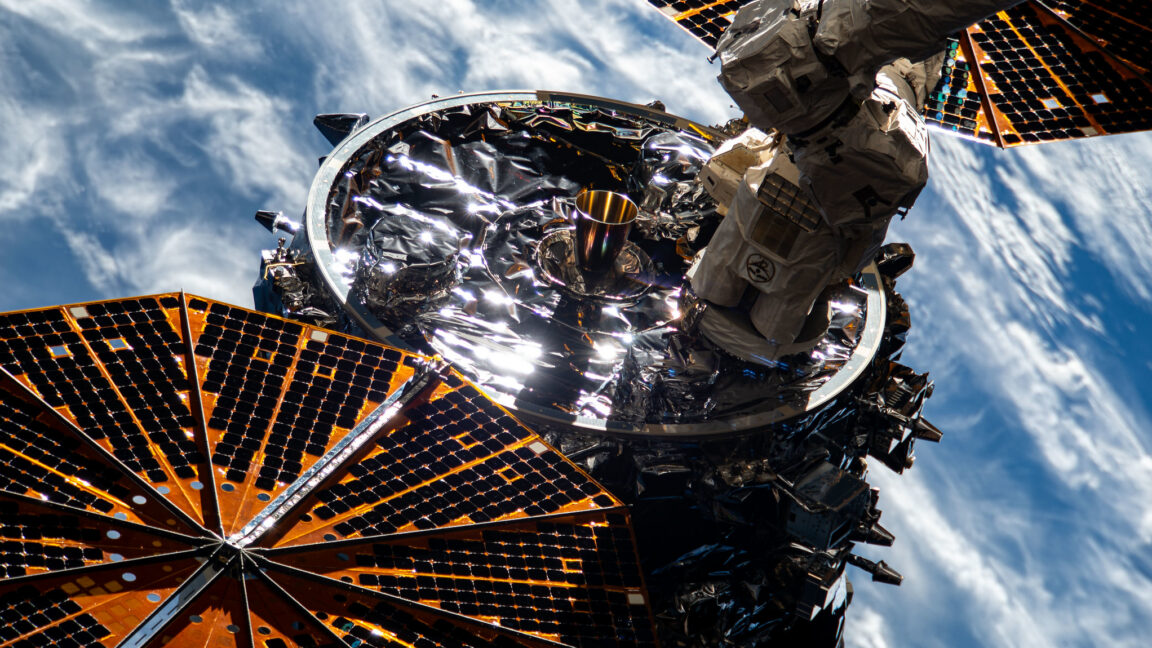
This mission utilizes the upgraded Cygnus XL spacecraft, a larger design boasting a 33% increase in cargo capacity compared to previous models – measuring 5.2 feet (1.6 meters) longer. The substantial payload includes vital supplies for the ISS crew, such as fresh food, equipment for scientific experiments (both biological and technology demonstrations), and critical spare parts, including components for the station’s life support systems like the urine processor and toilet.
The Cygnus spacecraft relies on a hypergolic propulsion system, utilizing hydrazine and nitrogen tetroxide which ignite upon contact, offering a high degree of reliability. While a primary engine is used for major orbital adjustments,the spacecraft also features smaller reaction control system thrusters for fine maneuvering and orientation. should the main engine become unusable, engineers are evaluating the feasibility of using these smaller thrusters to gradually adjust the spacecraft’s trajectory for a successful ISS approach.
Though, unlike SpaceX’s dragon capsule, the Cygnus is a single-use vehicle. After delivering its cargo, it is filled with waste from the ISS and intentionally destroyed during reentry into Earth’s atmosphere over the Pacific Ocean. Consequently, any issue preventing the Cygnus XL from reaching the ISS would result in the complete loss of the valuable supplies onboard.
