
Cuba’s Future: US Policy, Economic Reform & Political Change
Cuba’s ambassador to Mexico, Enrique Castillo, stated his nation is prepared for a potential attack from the United States, amid a deepening fuel blockade that is creating a humanitarian crisis. The statement, made during a press conference in Mexico City, comes as international attention is focused on escalating conflicts in the Middle East, but also as scrutiny intensifies over the future of U.S.-Cuba relations.
The current stalemate, while exacerbated by the fuel shortages, has roots in decades of political and economic tension. While the world watches the U.S.-Israeli war with Iran, observers in both the United States and Latin America are increasingly focused on the possibility of significant change in Cuba. Predictions of the Cuban regime’s collapse have been frequent since the 1959 revolution led by Fidel Castro, but recent circumstances suggest a potential turning point.
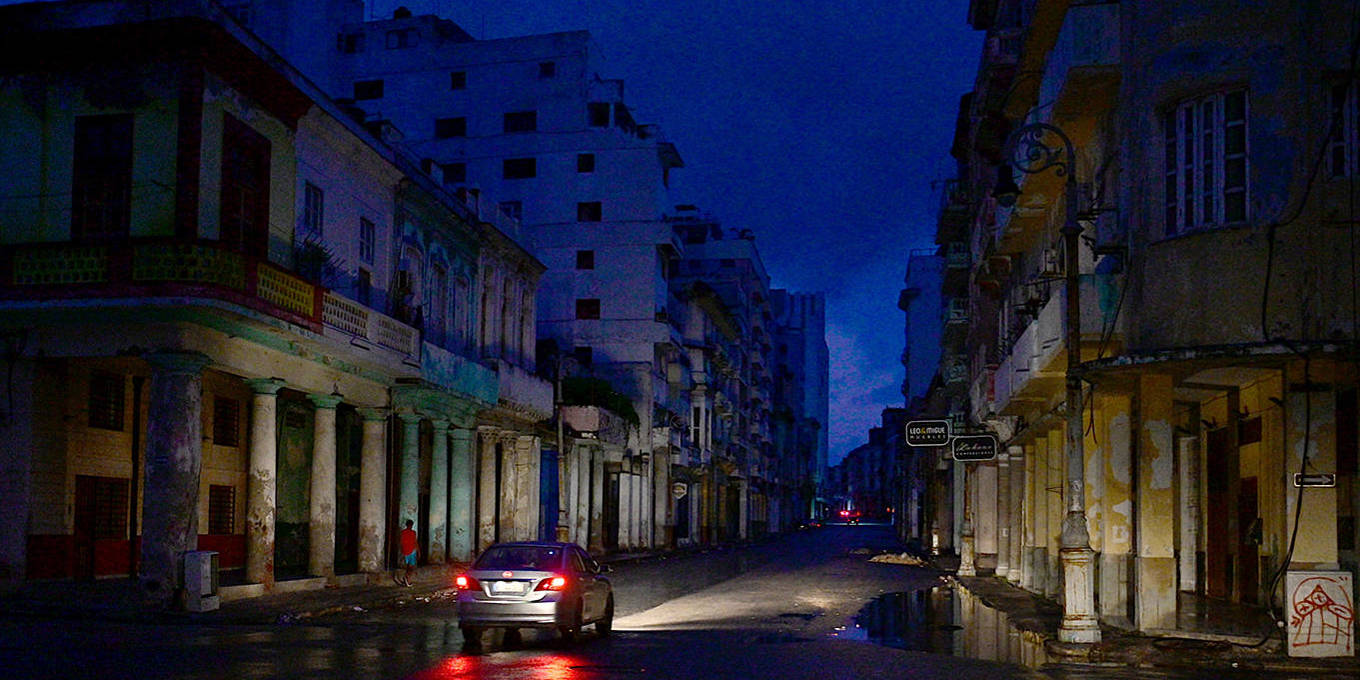
The core of the issue lies in the U.S. Fuel blockade, which has severely restricted Cuba’s access to essential resources. This has led to widespread shortages of gasoline, diesel, and other vital supplies, impacting transportation, agriculture, and basic services. The situation is described as a humanitarian crisis, with growing concerns about access to food, medicine, and electricity.
Adding to the complexity, the administration of former President Donald Trump significantly altered U.S. Policy toward Cuba. Trump’s plans, as reported by Foreign Policy, created tension with both allies and adversaries, reversing the Obama-era normalization of relations. The Atlantic reported that Trump’s focus on Cuba extended to considering more aggressive actions, including what was described as “taking Cuba.” The New York Times further detailed Trump’s rhetoric, reporting his use of the phrase “taking Cuba” as a potential policy objective.
The question now is how the current administration will navigate this situation. It remains unclear whether the focus will be solely on opening the Cuban market to U.S. Businesses, or whether economic reforms will be conditioned on political liberalization. The Cuban government has consistently maintained that it will not cede its sovereignty or compromise its socialist principles in exchange for economic concessions.
Ambassador Castillo’s statement underscores the heightened sense of alert within the Cuban government. He did not elaborate on the specific nature of the perceived threat, but his remarks suggest a readiness to respond to any potential escalation from the United States. The Cuban government has not yet responded to specific inquiries regarding the nature of its defensive preparations.