Cruzados Accused of Banning Fan Over Medical Emergency Photo
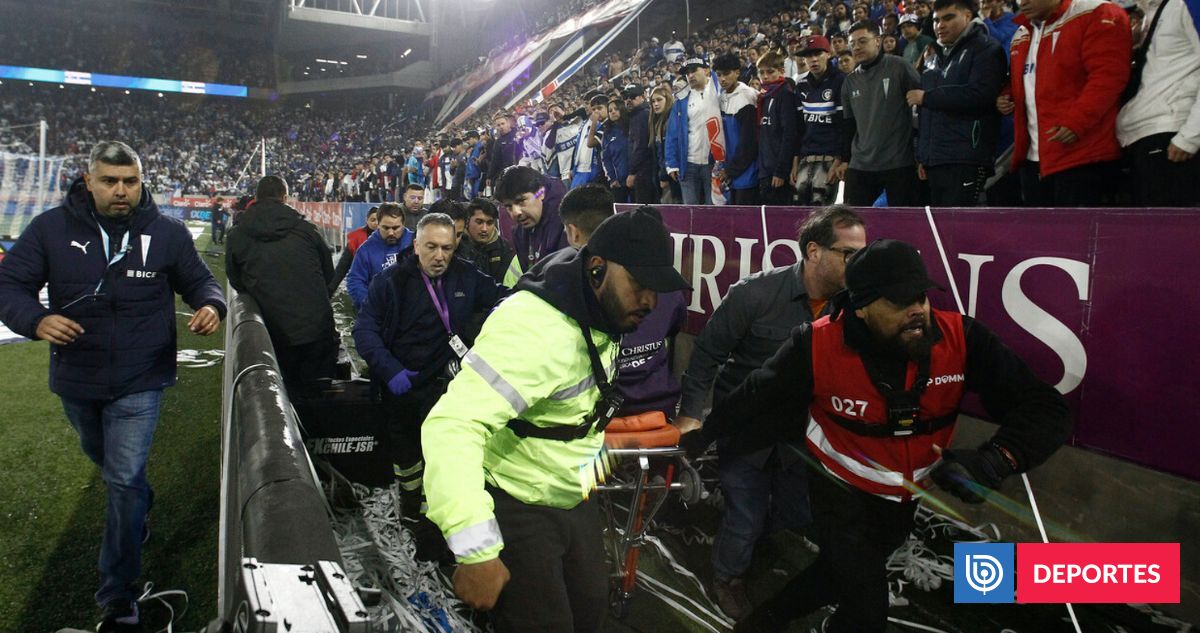
Cruzados, the entity managing the Universidad Católica football franchise, faces mounting scrutiny following allegations of a media blackout imposed on a photojournalist during a recent match against Colo-Colo. The controversy centers on images documenting a fan suffering a medical emergency, sparking a debate over stadium access and journalistic ethics.
The Conflict Between Stadium Security and Press Freedom
The dispute originated during the high-stakes “Clásico” between Universidad Católica and Colo-Colo, a fixture that consistently draws maximum attendance and intense media scrutiny. According to reporting from BioBioChile, representatives from a photography agency have accused the club of retaliatory measures, specifically the revocation of accreditation, after a photographer captured images of a supporter receiving emergency medical attention in the stands. The club maintains that internal protocols regarding the dignity of spectators were violated, while the agency argues that the images were captured within the scope of standard sporting event reporting.
In the professional sports industry, the line between public interest and individual privacy is governed by strict accreditation agreements. Clubs often utilize FIFA-aligned media guidelines to manage the flow of information from their venues. However, the enforcement of these rules, particularly when they involve the suppression of images documenting stadium incidents, often triggers significant legal pushback. When professional photographers find their credentials pulled without clear arbitration, the result is a chilling effect on transparency that can damage a franchise’s public relations standing.
Operational Challenges in High-Capacity Venues
Stadium management during high-intensity matches requires a delicate balance of emergency response efficiency and public perception. When a spectator suffers a “descompensación” (medical decompensation), the stadium’s medical team must initiate rapid triage protocols. For the franchise, the priority is clear: ensuring the safety of the individual while minimizing disruption to the match flow. However, as noted by sports operations consultants, failing to provide a transparent narrative regarding stadium incidents can lead to speculation that hurts the club’s brand value.
For amateur sports organizations or smaller clubs, managing such incidents requires specialized Event Security and Medical Logistics providers. Professional franchises like Cruzados possess the resources to manage these crises in-house, but the friction with the media highlights a gap in communication strategy. If a club cannot adequately explain its media policies, it risks alienating the very outlets that drive its regional broadcast revenue and sponsorship visibility.
The Economic Impact of Media Relations
The financial health of a football club in the Chilean Primera División is deeply tied to its media footprint. Broadcast rights and commercial sponsorships are contingent on the reach and professional integrity of the coverage provided by accredited agencies. When a club enters a dispute with a media partner, the “halo effect” of that conflict can extend to local hospitality and tourism sectors that rely on the stability of the match-day experience.

According to ANFP (Asociación Nacional de Fútbol Profesional) regulations, clubs are granted significant latitude in managing their home venues, yet this authority is not absolute. Legal experts specializing in sports law often emphasize that the revocation of credentials without a transparent appeals process can constitute a breach of contract. For organizations dealing with similar operational disputes, engaging Sports Contract Law Specialists is often the only way to mitigate long-term liability and restore professional relationships.
Mitigating Risks for Future Match-Days
As the season progresses, franchises must refine their media management to avoid the pitfalls of subjective enforcement. The current situation involving Cruzados underscores the necessity for clearly defined, publicly available media codes of conduct that distinguish between “spectator privacy” and “newsworthy events.”

The tactical nature of modern sports management demands that clubs treat information as a high-value asset. Whether it is managing injury reports, navigating the complexities of the transfer market, or handling sensitive stadium incidents, the professional approach remains consistent: transparency reduces litigation risk. Clubs that fail to modernize their media policies will continue to face scrutiny, potentially impacting their ability to secure favorable terms with national and international media partners. Those facing similar administrative or legal hurdles should consult with Professional Sports Consulting Agencies to ensure their operations align with international best practices and protect the franchise’s institutional reputation.
Disclaimer: The insights provided in this article are for informational and entertainment purposes only and do not constitute medical advice or sports betting recommendations.