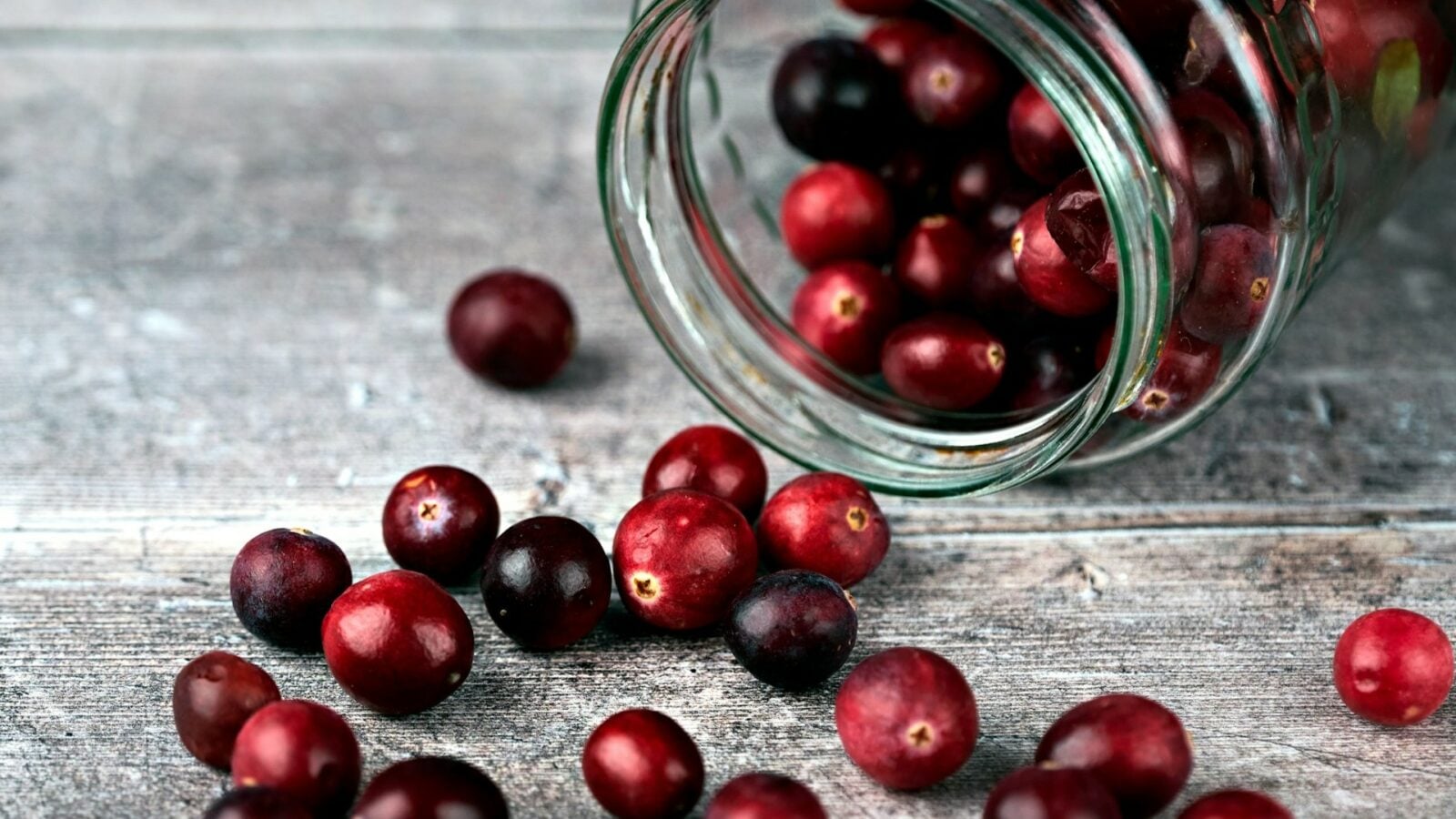
Cranberry Juice for UTIs: Science-Backed Benefits and Treatment Support
The persistence of recurrent urinary tract infections (UTIs) represents a significant clinical challenge, often trapping patients in a cycle of acute cystitis and escalating antibiotic reliance. As antimicrobial resistance becomes a global public health crisis, the medical community is revisiting non-pharmacological adjuncts that can stabilize the urinary environment and enhance the efficacy of standard care.
Key Clinical Takeaways:
- Cranberry juice serves as a strategic ally to antibiotic treatments, potentially boosting the recovery process in patients with cystitis.
- The biological mechanism focuses on inhibiting bacterial adhesion, which is critical in combating strains that have developed resistance to common antibiotics.
- Current scientific evidence validates the use of cranberry compounds not as a miracle cure, but as a legitimate clinical tool for managing recurrent infections.
The pathogenesis of urinary tract infections is primarily driven by uropathogenic Escherichia coli (UPEC), which utilize specialized virulence factors to adhere to the uroepithelial lining. When these bacteria successfully colonize the bladder wall, they form biofilms that shield them from both the host’s immune response and systemic antibiotic therapy. This adherence is the critical pivot point of the infection. if the bacteria cannot stick, they cannot colonize.
The clinical gap emerges when patients suffer from recurrent episodes. The traditional response has been a cycle of short-course antibiotics, which often leads to the selection of resistant strains and disrupts the commensal microbiome. This creates a precarious environment where the morbidity of the condition is compounded by the risk of treatment failure. For patients facing these persistent challenges, transitioning from reactive treatment to a proactive, integrative strategy is essential. This often requires the guidance of board-certified urologists who can differentiate between simple cystitis and complex structural abnormalities of the urinary tract.
The Synergistic Mechanism: Cranberry as an Antibiotic Ally
Recent clinical analysis indicates that cranberry juice is not merely a folk remedy but a functional biological agent. The efficacy lies in specific polyphenols—proanthocyanidins—which interfere with the P-fimbriae of bacteria. By blocking these attachment sites, cranberry compounds prevent the bacteria from anchoring to the bladder wall, effectively “flushing” them out of the system via urination.
This mechanism provides a powerful synergistic effect when paired with antibiotic therapy. While the antibiotic works to eradicate the bacterial load, the cranberry components prevent the remaining bacteria from re-establishing a foothold. This dual-action approach is particularly relevant for bacteria that exhibit resistance to first-line antimicrobial agents. By reducing the bacterial adherence, the overall “burden” on the antibiotic is lowered, potentially improving the speed of resolution and reducing the likelihood of a relapse.
This shift toward adjunctive therapy is part of a broader movement in antibiotic stewardship. The goal is to maintain the potency of our existing pharmacopeia by reducing the frequency and duration of antibiotic exposure. When integrated correctly, botanical adjuncts can bridge the gap between acute treatment and long-term prophylaxis.
Clinical Comparison of UTI Management Strategies
To understand the role of cranberry juice within the standard of care, it is necessary to compare it against traditional monotherapy. The following table outlines the clinical distinctions between these approaches based on current research into bacterial adhesion and antimicrobial efficacy.
| Treatment Approach | Primary Clinical Goal | Role in Standard of Care | Impact on Antimicrobial Resistance |
|---|---|---|---|
| Conventional Antibiotic Monotherapy | Rapid eradication of active bacterial colony | First-line acute intervention | High risk of inducing resistant strains through overuse |
| Combined Therapy (Antibiotics + Cranberry) | Synergistic eradication and anti-adhesion | Adjunctive support for acute cystitis | Potential to enhance efficacy and reduce relapse rates |
| Cranberry Prophylaxis | Prevention of bacterial colonization | Long-term maintenance for recurrent cases | Lowers the frequency of required antibiotic cycles |
The data suggests that the most effective outcomes occur when these strategies are layered. For instance, using cranberry compounds during the recovery phase of an infection can prevent the “rebound” effect often seen in patients with chronic susceptibility. However, the transition to this model must be managed carefully. Patients should avoid self-diagnosing and instead utilize advanced diagnostic centers to ensure the infecting organism is correctly identified via culture and sensitivity testing.
Addressing the Resistance Hurdle
The rise of multi-drug resistant organisms (MDROs) has rendered some traditional UTI treatments obsolete. When bacteria evolve to bypass the mechanism of an antibiotic, the physical prevention of adherence becomes a primary line of defense. Because the anti-adhesion properties of cranberry are mechanical rather than chemical (they block a physical site rather than attacking a metabolic pathway), bacteria are less likely to develop “resistance” to this effect in the same way they do to penicillin or sulfonamides.

This makes cranberry juice a vital tool in the arsenal of infectious disease specialists who manage complex, resistant infections. By limiting the ability of resistant strains to colonize the urothelium, clinicians can better manage the patient’s symptoms while searching for a viable, targeted antibiotic. This approach reduces the patient’s overall morbidity and prevents the escalation of the infection into the upper urinary tract, which could lead to pyelonephritis or systemic sepsis.
Transparency regarding the evidence is paramount. Much of the supporting science for these findings is derived from university-led clinical trials focusing on botanical medicine and antibiotic stewardship. While the results are promising, they emphasize that cranberry is a supportive measure—an “ally”—rather than a replacement for pharmaceutical intervention in the presence of an active, systemic infection.
The Future of Integrated Urological Care
The evolution of UTI treatment is moving toward a personalized, integrated model. The validation of cranberry juice as a clinical tool marks a shift away from the “antibiotic-only” mindset and toward a more nuanced understanding of bacterial pathogenesis. The future of this research likely lies in the standardization of proanthocyanidin dosages to ensure consistent clinical outcomes across diverse patient populations.
Integrating these findings into daily practice requires a collaborative effort between the patient and their healthcare provider. The goal is to create a sustainable maintenance plan that prioritizes the preservation of the microbiome and the reduction of antimicrobial pressure. For those struggling with the cycle of recurrence, the first step is securing a comprehensive urological evaluation to establish a baseline of health and a tailored prevention strategy.
Disclaimer: The information provided in this article is for educational and scientific communication purposes only and does not constitute medical advice. Always consult with a qualified healthcare provider regarding any medical condition, diagnosis, or treatment plan.