
August: A Global Month of Independence
Table of Contents
August resonates as a pivotal month for nations worldwide, steeped in the spirit of liberation and self-determination.Across continents, countries commemorate hard-won sovereignty, marking anniversaries of freedom from colonial rule. This year, as nations reflect on their journeys to independence, the shared theme of resilience and national pride takes center stage.
A Timeline of August Independence Days
The month of August witnesses a cascade of independence celebrations, each with its unique historical backdrop and cultural expressions. From Latin America to Asia and Africa, the stories of liberation unfold.
Early August: Latin American and Caribbean Freedom
Bolivia stands among the earliest nations in Latin America to achieve independence, declaring its freedom from Spain on August 6, 1825. This date, known as Día de la Patria, is celebrated with vibrant parades, lively carnivals, and captivating cultural performances that showcase Bolivia’s rich diversity.
On the very same date, more than a century later, Jamaica attained independence in 1962, severing its ties with Britain. The occasion is marked with national pride, honoring the heroes who championed the cause of freedom and laid the foundation for a new nation.
Mid-August: West Africa and Southeast Asia
Côte d’Ivoire, or the Ivory Coast, commemorates its liberation from French colonial rule on August 7, 1960.Annual parades and cultural showcases mark this significant milestone in the nation’s history.
Singapore celebrates its Independence Day on August 9, 1965, following its separation from the Federation of Malaysia. This pivotal moment shaped the nation’s trajectory, fostering its growth into a global hub.
Pro Tip: Understanding the historical context of independence movements provides valuable insight into the current geopolitical landscape.
Ecuador observes August 10 as Día del Primer Grito de Independencia de Quito, commemorating the 1809 uprising against Spanish rule.While full independence arrived later, this date symbolizes the initial spark of the nation’s freedom movement, celebrated with traditional parades and cultural events.
August 14 & 15: South Asian Independence
Pakistan and India celebrate back-to-back independence days, marking the partition of British India in 1947. Pakistan commemorates its emergence as a sovereign nation on August 14, while India celebrates its independence on August 15, after over two centuries of colonial rule.
India’s Independence Day is a grand spectacle, featuring the Prime Minister’s address from the Red Fort in New Delhi, flag-hoisting ceremonies nationwide, and cultural tributes. Figures like Sardar Vallabhbhai Patel, honored through the Statue of Unity, are remembered for their contributions to unifying and building the nation.
August 15: A Day of Liberation for Multiple Nations
August 15 holds significance for several nations beyond India and Pakistan. South Korea commemorates Gwangbokjeol, or “Restoration of Light Day,” marking the end of 35 years of Japanese occupation in 1945. Celebrations include official ceremonies and cultural programs across the country.
The Republic of the Congo also celebrates its independence from france on August 15, 1960, distinct from its neighbor, the Democratic Republic of the Congo, which observes its independence on June 30. Liechtenstein, a European principality, combines its National Day with the reigning prince’s birthday on August 15, featuring public gatherings and fireworks.
Late August: Indonesia and Malaysia
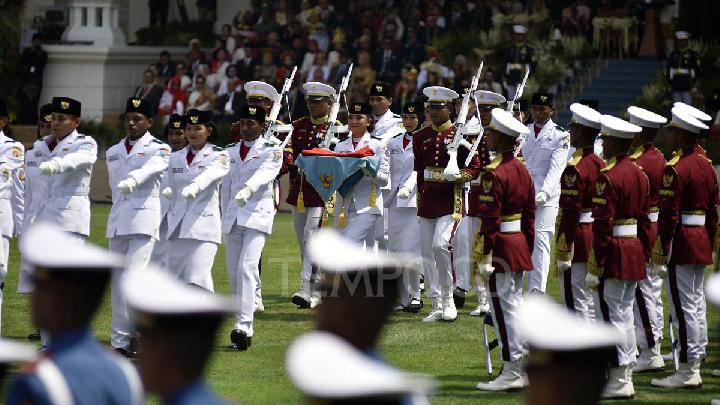
Indonesia’s Independence Day,August 17,1945,remains a defining moment in Southeast Asian history. Proclaimed by Sukarno and Mohammad Hatta in Jakarta, it initiated a struggle for sovereignty against Dutch and Japanese forces. Today, the anniversary is celebrated with flag ceremonies, parades, and community festivities.
Malaysia celebrates its independence from Britain on August 31, 1957, known as Hari Merdeka. National parades and patriotic events reflect the negotiations that led to the end of colonial rule.
Did You Know?
The Statue of Unity in India, dedicated to Sardar Vallabhbhai Patel, is the world’s tallest statue, symbolizing national integration.
From Latin America to Southeast Asia, August stands as a testament to the global pursuit of freedom. These commemorations are not merely reflections on the past but also reminders of the resilience and determination that have shaped national identities.
| Country | Independence Date | Former Colonial Power |
|---|---|---|
| Bolivia | August 6, 1825 | Spain |
| jamaica | August 6, 1962 | Britain |
| Côte d’Ivoire | august 7, 1960 | France |
| Singapore | August 9, 1965 | Malaysia (previously Britain) |
| Ecuador | August 10, 1809 (Uprising) | Spain |
| Pakistan | August 14, 1947 | Britain |
| India | August 15, 1947 | britain |
What does independence mean to you, and how do you think nations can best honor their histories while building towards the future?
The global wave of independence movements in the 20th century reshaped the world order, leading to the formation of numerous sovereign nations. Understanding these historical events is crucial for comprehending contemporary geopolitical dynamics. The legacies of colonialism continue to influence international relations, economic disparities, and cultural identities. As nations navigate the complexities of the 21st century, the principles of self-determination and national sovereignty remain paramount.
Frequently Asked questions about Independence Days
- What is the significance of August as a month for independence celebrations? August became a focal point for independence movements due to a confluence of historical events and strategic timing related to colonial powers.
- Which country was the first to declare independence in August? Bolivia declared its independence from Spain on August 6, 1825, making it one of the earliest in Latin America to do so.
- What is Gwangbokjeol? Gwangbokjeol, celebrated in South Korea on August 15, commemorates the end of Japanese occupation in 1945 and translates to “Restoration of Light Day.”
- How do nations typically celebrate their Independence Days? Celebrations vary widely but frequently enough include parades,flag ceremonies,cultural performances,and patriotic events.
- Why is understanding the history of independence significant? Understanding these histories provides context for current global challenges and fosters recognition for the values of freedom and self-determination.
We hope you enjoyed this exploration of global Independence Days. Share this article with your network to spread awareness and spark conversations about the importance of freedom and self-determination. Don’t forget to subscribe to our newsletter for more insightful content!
