
“`html
Evidence Mounts for Frequent, Continent-Spanning Airburst Events
Table of Contents
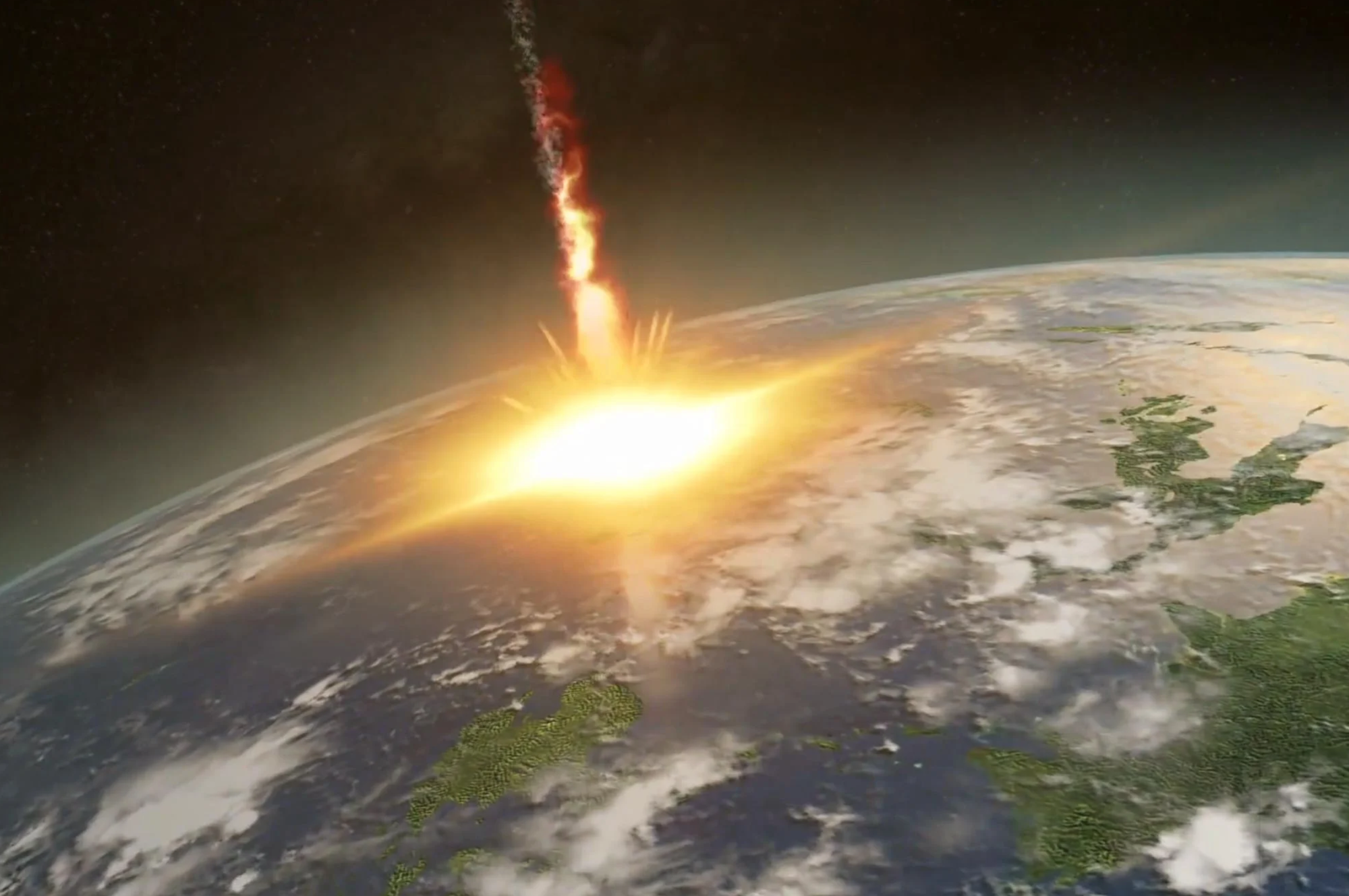
New research published in PLOS One details the discovery of widespread microscopic particles, known as microtektites and microkrystites, in sediment cores from Baffin Bay and at Younger Dryas-aged sites across six continents. These findings bolster the hypothesis that “touchdown airbursts” – where large cosmic objects explode in Earth’s atmosphere – are considerably more common and potentially destructive than previously understood.
What are Microtektites and Microkrystites?
Microtektites and microkrystites are tiny, glassy spheres formed when rock is vaporized by intense heat, typically from an impact event. Their composition varies – silica-rich or iron-rich – and they often exhibit dendritic surface patterns resulting from rapid crystallization. The team, led by Kenneth Kennett, a professor emeritus of geology at the University of California, Santa Barbara, identified these particles in cores collected from the Baffin Bay region of Canada, specifically cores 83023−052, 2013029−064, 2008029−067, and 2013029−077. Similar particles were found at Younger Dryas boundary sites in North and South America,europe,Asia,Africa,and Australia.
The Younger Dryas and Potential Airbursts
The Younger Dryas is a geologically brief period of abrupt climate change that occurred approximately 12,900 to 11,700 years ago, marking a return to glacial conditions after a period of warming. The cause of the Younger Dryas remains debated, but the impact hypothesis – suggesting a cosmic impact triggered the event – has gained traction with discoveries like these microtektites.The Younger Dryas Impact Hypothesis,initially proposed in 2007,posits that a fragmented comet impacted or exploded over North America,causing widespread wildfires,glacial melting,and a disruption of ocean currents.
Airbursts vs. Traditional Impacts
Unlike traditional asteroid impacts that create craters, airbursts occur when a cosmic object disintegrates in the atmosphere. While releasing less total energy than a crater-forming impact (like the one that led to the extinction of
