
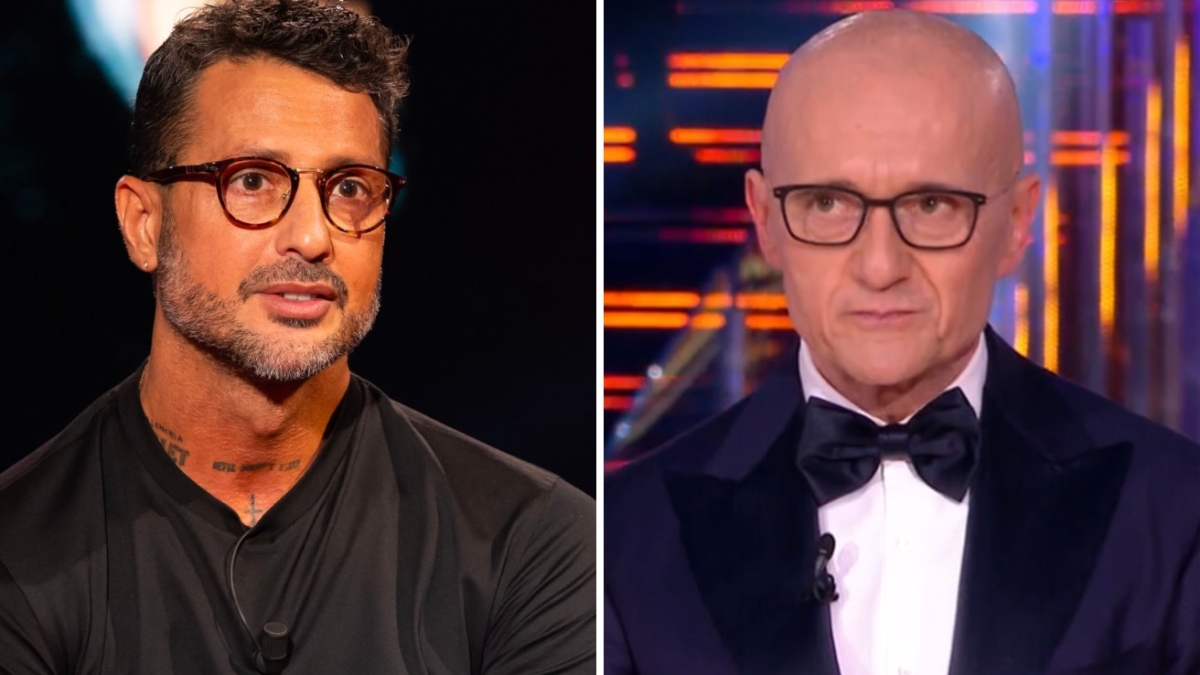
Corona vs Signorini: Milan Court Confirms Video Removal, Upholds Free Speech Right
Corona vs. Signorini: A Legal Battle Exposing Italy’s Media Landscape
A Milan court has upheld a ruling requiring Fabrizio Corona, a former paparazzo, to remove online content accusing Alfonso Signorini, a prominent television personality, of “sexual blackmail.” Although Corona’s legal team prepares a counter-offensive with novel material, the case highlights the escalating tensions between celebrity image control, freedom of expression, and the murky world of Italian entertainment industry power dynamics. The dispute, rooted in allegations of manipulating aspiring talent, underscores the critical need for robust intellectual property and defamation legal counsel in the modern media ecosystem.
The initial fallout from Corona’s accusations, disseminated through his online program “Falsissimo,” was swift. A judge initially ordered the immediate removal of all content related to Signorini, including videos, texts, and images, and imposed a daily fine of €2,000 for non-compliance. Mediaset, Signorini’s employer, also joined the legal fray, demanding the removal of content from various hosting providers and social media platforms. This aggressive legal strategy speaks to the high stakes involved in protecting brand equity within the competitive Italian television market. The case isn’t simply about a personal dispute; it’s about controlling the narrative and safeguarding the lucrative backend gross associated with Signorini’s shows, particularly “Grande Fratello” (Big Brother).
The Limits of Free Speech in the Spotlight
Corona’s defense rested on the principle of freedom of speech, arguing that his statements constituted legitimate criticism. However, the court rejected this claim, finding that his accusations were “a gratuitous injury to the honor and dignity of Signorini” and exceeded the bounds of acceptable expression. The judges specifically cited the unfounded nature of the blackmail allegations and the publication of a compromising photograph as key factors in their decision. This ruling sets a precedent for balancing the right to critique public figures with the need to protect them from defamatory attacks, a challenge increasingly relevant in the age of social media and citizen journalism.
“The Italian legal system, like many in Europe, places a higher value on protecting individual reputation than the First Amendment does in the United States. This case demonstrates that even strong claims of public interest won’t shield someone from liability if they’re made without sufficient factual basis,” explains Elena Rossi, a media law specialist at Studio Legale Associato, a leading Italian law firm.
The court did, however, clarify that Corona’s right to free expression wasn’t entirely negated. He is permitted to express his opinions, provided he adheres to principles of truthfulness, public interest, and respectful language. This nuanced ruling underscores the complexities of navigating defamation law in the digital age. The legal battle also raises questions about the responsibility of social media platforms and hosting providers in policing content and responding to takedown requests. The speed with which Mediaset and Signorini’s legal team secured the removal of content highlights the power of coordinated legal action in the online sphere.
The Business of Scandal: Brand Impact and Reputation Management
Beyond the legal ramifications, the Corona-Signorini dispute has significant implications for both individuals’ brands. Signorini, a highly visible figure in Italian television, relies heavily on a carefully cultivated public image. The allegations of blackmail, even if unsubstantiated, could severely damage his reputation and impact his ability to attract viewers and advertisers. Corona, despite his controversial past, has attempted to rebrand himself as a media commentator and truth-teller. This case, however, risks reinforcing his image as a provocateur and undermining his credibility.
The situation demands a sophisticated crisis communication strategy. Simply issuing denials isn’t enough. Both parties need to proactively manage the narrative, address public concerns, and demonstrate a commitment to transparency. The potential for further leaks and revelations necessitates a proactive approach to reputation repair. The incident also highlights the growing importance of digital forensics in uncovering the source of damaging information and mitigating its spread.
The Future of “Falsissimo” and the Rise of Independent Media
Corona’s lawyer, Ivano Chiesa, has vowed to release new material online, suggesting that this legal battle is far from over. The question remains whether Corona can successfully circumvent the court’s restrictions and continue to disseminate his accusations. The case also raises broader questions about the future of independent media and the challenges faced by content creators who operate outside the traditional media establishment. Corona’s “Falsissimo” program, while controversial, tapped into a growing appetite for unfiltered and alternative perspectives. The suppression of his content could be seen as an attempt to stifle dissent and control the flow of information.
The Italian media landscape is undergoing a period of significant transformation, with the rise of streaming services (SVOD) and the increasing fragmentation of audiences. Traditional television networks like Mediaset are facing intense competition from new players, forcing them to adapt and innovate. This case underscores the importance of protecting intellectual property and maintaining brand integrity in this rapidly evolving environment. The potential for further legal disputes and media scandals is high, making it essential for entertainment companies to invest in robust legal and PR infrastructure.
The court’s decision to revoke the order requiring Corona to hand over digital files, while reducing the daily fine, suggests a degree of caution regarding the potential infringement on his rights. This delicate balance between protecting reputation and upholding freedom of expression will continue to be a central theme in media law for years to come. The case also serves as a reminder that even in the digital age, the legal system retains significant power to regulate online content and hold individuals accountable for their actions.
As the Italian entertainment industry navigates these complex challenges, the demand for specialized legal and PR services will only increase. Companies like event management and production companies are also increasingly involved in managing the logistical and security aspects of high-profile media events, particularly those involving controversial figures. The Corona-Signorini case is a stark reminder that in the world of celebrity and media, reputation is everything, and protecting it requires a proactive and strategic approach.
Looking ahead, the outcome of this legal battle will undoubtedly shape the future of media discourse in Italy. Whether Corona can successfully challenge the court’s restrictions remains to be seen, but one thing is clear: the fight for control of the narrative is far from over. For businesses and individuals operating in this dynamic landscape, partnering with experienced legal and PR professionals is no longer a luxury, but a necessity. The World Today News Directory provides access to a vetted network of experts ready to navigate the complexities of the modern media world.