
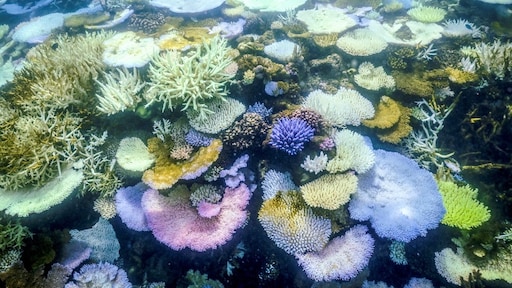
Great Barrier Reef Faces Severe Bleaching Events
Warming Oceans Devastate Iconic Marine Ecosystem
The Great Barrier Reef is experiencing a significant coral bleaching crisis, a stark warning sign of escalating ocean temperatures. This natural wonder, vital for marine biodiversity, is struggling to recover from recent heatwaves.
The Science of Coral Bleaching
Coral bleaching occurs when rising ocean temperatures cause the symbiotic algae living within coral tissues to be expelled. These algae provide the coral with its vibrant color and essential nutrients. When they leave, the coral turns white and faces starvation.
The long-term survival of the reef hinges on the duration of these elevated sea temperatures. If the heat stress is prolonged, the coral cannot recover and ultimately dies.
Climate Change Identified as Primary Driver
Leading researcher **Mike Emslie** unequivocally states that climate change is the principal culprit behind the current coral bleaching events. He emphasized, No doubt is possible about that.
Unseasonably high sea temperatures were recorded around Australia during early 2024 and the beginning of 2025, directly impacting the reef’s health.
Resilience Amidst Challenges
Beyond the threat of warming waters, the reef has also contended with damage from cyclones and outbreaks of the coral-eating Crown-of-thorns starfish. These compounding factors test the reef’s capacity for regeneration.
**Emslie** remains cautiously optimistic about the reef’s potential to bounce back, noting that recovery can span many years. It is still worth fighting. We can’t give it up,
he declared.
A Natural Wonder Under Threat
Spanning over 2,600 kilometers off Australia’s northeast coast, the Great Barrier Reef is the world’s largest living structure. Comprising nearly 3,000 individual reefs and 900 islands, it covers an area exceeding 300,000 square meters and is famously visible from space.
Recent data indicates that marine heatwaves are becoming more frequent and intense globally. For instance, a 2023 report by the National Oceanic and Atmospheric Administration (NOAA) highlighted a significant increase in the frequency of severe bleaching events on coral reefs worldwide (
