Conservation Groups: Dozens of Orangutans Rescued from Indonesia Fires
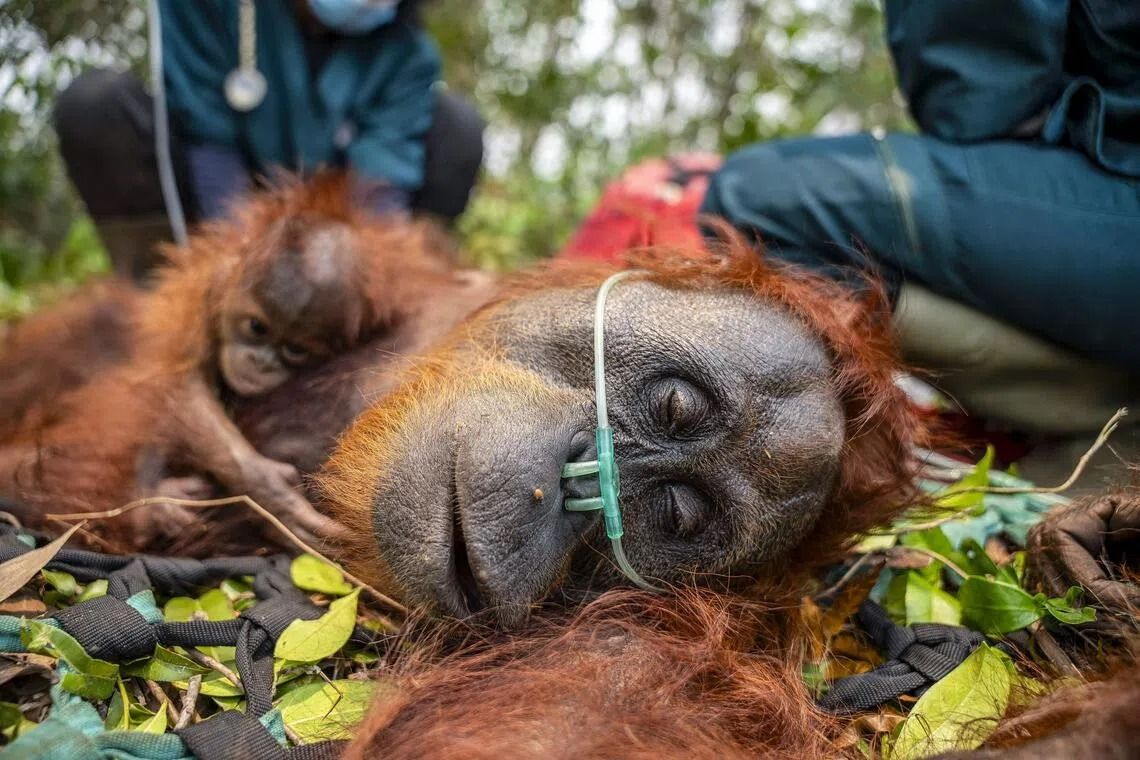
Dozens of critically endangered orangutans have been rescued from rampant wildfires burning across Indonesia, conservation groups reported as a turbo-charged El Nino weather phenomenon intensified regional smoke and pollution.
The blazes have triggered a months-long pollution spell that closed schools, fuelled a surge in respiratory conditions among humans and animals, and restricted outdoor activities in Indonesia, Malaysia, Singapore, and East Timor. Pollution levels ranged from unhealthy to very unhealthy, cloaking southern Southeast Asia in a toxic haze, The Star reported.
Teams Evacuate Orangutans as Haze Pollutes Major Cities
Swiss-based air quality monitor IQAir ranked Singapore and Kuala Lumpur among the world’s top five most polluted major cities as fires on Borneo and Sumatra islands kept emitting smoke. In Indonesia, groups worked to save wildlife from the flames. The West Kalimantan conservation agency and Indonesian non-profit YIARI stated that a team evacuated 51 orangutans from locations in the province between August 6 and October 19. Figures from Indonesia’s forestry ministry suggested that the total number rescued over recent months in Kalimantan could reach 96.
Officials could not be immediately reached to clarify the exact figures. The latest rescue occurred when three conservation agencies saved a 20-year-old male orangutan in Hampangen village in Central Kalimantan, on Borneo island.

The evacuation process was carried out with great caution, the agencies said. After the orangutan was sedated, the medical team immediately conducted a health examination before taking the animal to the rehabilitation center.
Haze Causes Thousands of Flight Disruptions in Indonesia
Indonesia’s transport ministry reported that approximately 2,400 flights across the country have been affected by the haze since mid-August. Haze reduces visibility around airports, leading to delays, disruptions, and flight cancellations. Every operational decision is made with safety as the top priority, according to the ministry.
As recovery efforts continue for both displaced wildlife and affected transportation networks, local authorities and wildlife organizations maintain active rescue operations across the affected provinces.
More on Indonesia
Keep reading