Congo Ebola Outbreak Death Toll Surpasses 2,000 in Fastest-Growing Crisis
The Democratic Republic of Congo faces the fastest-growing Ebola outbreak in history, with confirmed deaths surpassing 1,000 amid severe supply shortages, active conflict, and widespread community resistance, according to data released by the Africa Centres for Disease Control and Prevention.
Key Clinical Takeaways:
- The current outbreak, declared on May 15, has recorded 2,473 total cases and 1,031 confirmed deaths as of mid-2026, according to Congo’s Ministry of Health.
- Unlike prior epidemics, this outbreak is driven by the Bundibugyo virus strain, which currently lacks any approved vaccines or specific therapeutic treatments.
- Public health officials note that 80 percent of new infections emerge outside known chains of transmission, complicating containment efforts in Ituri province and surrounding regions.
Epidemiological Dynamics and Strain Characteristics
The acceleration of the current public health emergency surpasses the timeline of the 2013-2016 West Africa epidemic, which previously held the record for transmission velocity. That historic crisis required approximately eight months to reach 1,000 deaths, whereas the current epidemic in eastern Congo crossed that mortality threshold at an unprecedented pace. Dr. Jean Kaseya, director-general of the Africa Centres for Disease Control and Prevention, spoke at a health summit in Ghana, stating that patients are succumbing to the virus due to systemic deficits in medical inventory and financial backing. Official assessments from the World Health Organization indicate that the true epidemiological scale may exceed recorded figures by a factor of two to four, driven by hidden transmission chains.
The viral vector responsible for the present crisis is the Bundibugyo ebolavirus. Because standard countermeasures deployed during previous outbreaks in Congo utilized vaccines and therapeutics targeted against the Zaire ebolavirus species, clinicians face a significant therapeutic gap. Individuals requiring acute stabilization must rely entirely on supportive care frameworks while diagnostic laboratories process samples. Patients experiencing acute infectious symptoms or requiring specialized triage can coordinate immediate evaluations through vetted regional infectious disease diagnostic centers to ensure rapid isolation.
Operational Hurdles and Humanitarian Obstacles
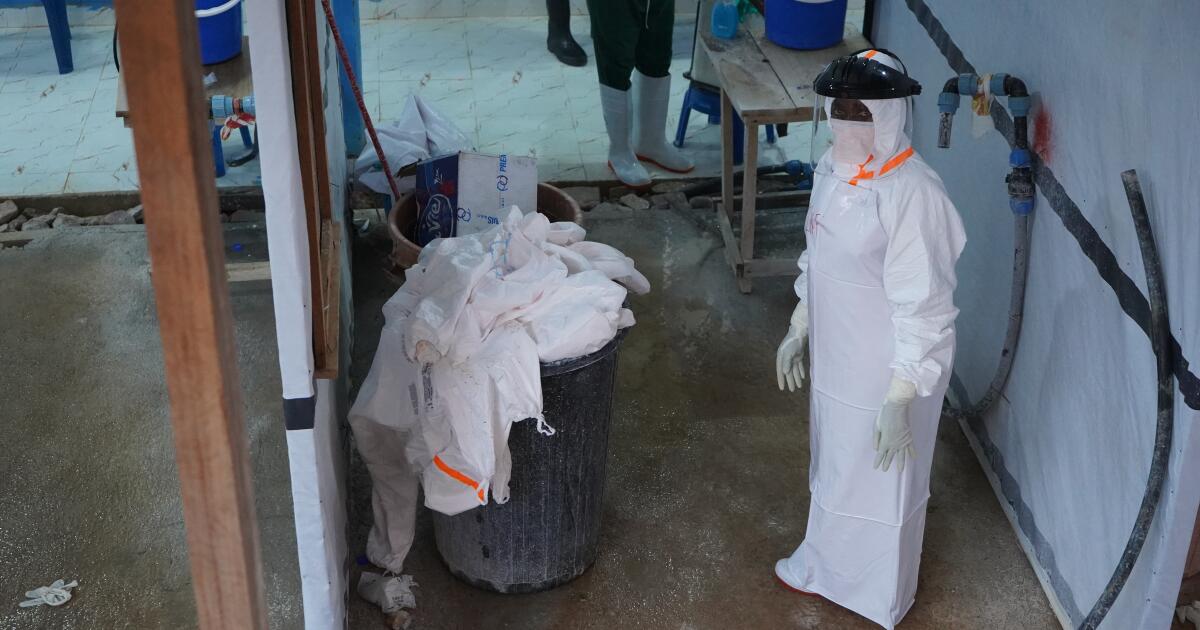
Containment operations in Ituri province and four adjacent affected provinces face severe disruption due to ongoing armed conflict involving rebel factions. Combat operations restrict physical access to the epidemic’s epicenter, leaving numerous health zones underserviced. Front-line medical personnel have encountered direct security threats, including an incident in Bunia where assailants threw stones at a vehicle carrying safe burial teams. Robert Ndjalonga, head of civil protection in Ituri province, noted that community resistance to safe burial protocols remains a primary vector amplifier as families occasionally demand traditional mortuary practices.
Institutional strain has further compromised the response network. Humanitarian workers operating anonymously reported that diagnostic turnaround times for Ebola testing frequently exceed four days, while administrative bottlenecks delay patient transfers to designated treatment units. Furthermore, local medical staff have initiated labor strikes over unpaid wages accrued since the onset of the outbreak. Healthcare administrators managing emergency logistics must often consult with health compliance and operational risk specialists to streamline supply chains and secure protective equipment for field teams.
Future Trajectory of Containment and Medical Intervention
Mitigating the spread of the Bundibugyo strain requires immediate deployment of expanded clinical trials, accelerated therapeutic manufacturing, and strengthened community engagement frameworks. As international agencies work to address funding deficits and secure supply lines, establishing robust clinical governance remains paramount for local hospitals. For healthcare institutions seeking to reinforce their operational readiness and infection control protocols, consulting with epidemiological response consultants offers a vital pathway toward stabilizing front-line medical delivery.
Disclaimer: The information provided in this article is for educational and scientific communication purposes only and does not constitute medical advice. Always consult with a qualified healthcare provider regarding any medical condition, diagnosis, or treatment plan.