
Sweden’s national colorectal cancer screening program, known as SCREESCO, is undergoing a comprehensive evaluation following an initial phase of randomization between 2014 and 2018, according to a study registered with ClinicalTrials.gov (NCT02078804).
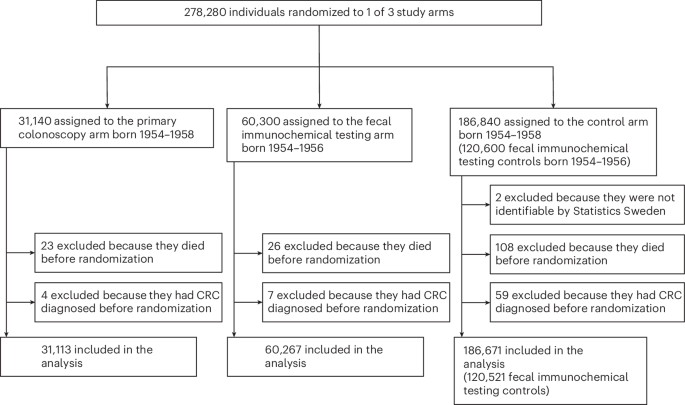
The trial, which involved 201,000 individuals aged 60 or turning 60, assigned participants to one of three arms: a one-time colonoscopy, two rounds of fecal immunochemical testing (FIT) spaced two years apart, or a control group receiving usual care. An additional 77,280 individuals were later randomized to either colonoscopy or control due to lower-than-expected participation in the initial colonoscopy arm. The study base population comprised residents from 18 of Sweden’s 21 regions, representing 74.5% of the national population where colorectal cancer screening had not previously been offered.
Individuals with a prior diagnosis of colorectal or anal cancer, or those who had participated in the NordICC trial, were excluded from the study. Participation was voluntary, requiring written informed consent for those undergoing screening procedures and biobanking. Notably, individuals assigned to the control group were not informed about their study participation.
The study protocol was amended multiple times between 2013 and 2024, including adjustments to sample size calculations following observed participation rates. Power calculations were initially based on detecting a 17.5% decrease in colorectal cancer mortality at 15 years in the colonoscopy arm and a 15% decrease in the FIT arm, compared to the control group. Subsequent revisions accounted for a 35% participation rate in the colonoscopy arm, leading to the inclusion of additional participants. The Scientific Committee ultimately decided against performing interim analyses of CRC mortality due to limited power to detect differences at 10 years or earlier.
The diagnostic phase of the trial, encompassing screening colonoscopies and FITs, took place between 2014 and 2020. Colonoscopies were performed at 33 hospitals by 146 endoscopists with backgrounds in gastroenterology, surgery, or endoscopy nursing. Positive FIT results, defined as a fecal hemoglobin concentration of ≥10 μg g−1 feces in either stool sample, triggered invitations for colonoscopy.
Sweden’s healthcare system provides universal access to public healthcare, with a small percentage of the population utilizing private insurance. During the study period, a national colorectal cancer screening program was not in place, although screening was available in the Stockholm-Gotland healthcare region. In usual care, colonoscopies were primarily driven by symptomatic presentation, with FIT increasingly used as an initial step in investigating symptoms.
The primary endpoint of the SCREESCO trial is colorectal cancer mortality at 15 years, with follow-up continuing until December 31, 2030. Secondary outcomes include colorectal cancer incidence, compliance rates, health economic analyses, colonoscopy quality assessments, and microbiome analyses. The current study focuses on baseline findings, including diagnosed CRCs and adverse events during the diagnostic phase, encompassing all study arms.
Researchers are assessing diagnostic yield, defined as the rate of colorectal cancer diagnoses overall and by stage, as well as adverse events such as cardiovascular and gastrointestinal complications, and death from any cause. Data on these outcomes are being extracted from Swedish national registers, including the Cancer Register, Patient Register, Total Population Register, and Cause of Death Register. Serious adverse events occurring within 30 days of colonoscopy were reported by endoscopy units and verified by a study nurse and a physician.
The study utilizes a competing risk cumulative incidence curve analysis to account for death from any cause as a competing risk when assessing colorectal cancer incidence. Baseline characteristics, including biological sex, year of birth, country of birth, educational level, and comorbidity indices, are being used to describe participants in each study arm. Statistical analyses are being performed using Stata version 13.1 and R version 4.0.2.
The Scientific Committee determined that a timely assessment of baseline findings, including diagnoses and events occurring in general, was needed, leading to this planned main study. The ultimate assessment of CRC mortality remains scheduled for the final report of the trial, with follow-up concluding on December 31, 2030.
