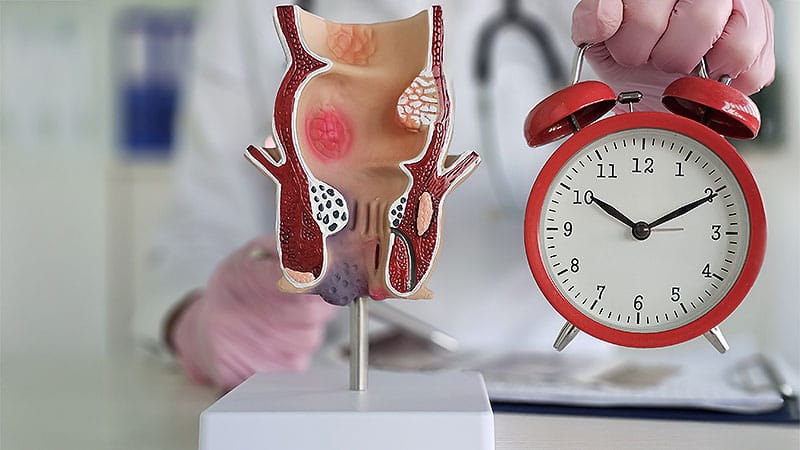
Colorectal Cancer Risk Factors: IBD and Obesity
The diagnosis of colorectal cancer in patients under 50 has surged by 22% over the past decade—a trend that defies conventional epidemiology. While screening guidelines still anchor to age 45, the biological drivers of this shift are now clearer: chronic inflammation, genetic predisposition, and metabolic dysfunction. The latest research reveals not just risk factors, but a pathogenesis demanding urgent clinical adaptation. For providers, this means rethinking screening protocols, patient education, and—crucially—knowing where to refer high-risk individuals before symptoms emerge.
Key Clinical Takeaways:
- Early-onset colorectal cancer (EOCRC) is rising fastest in young adults with severe obesity, inflammatory bowel disease (IBD), or a family history of the disease. The risk for these groups is now comparable to traditional high-risk populations.
- Current screening guidelines (e.g., colonoscopy at age 45) fail to capture 40% of EOCRC cases. Emerging biomarkers and risk stratification tools are critical to closing this gap.
- Metabolic syndrome and gut microbiome dysbiosis are now recognized as modifiable contributors. Lifestyle interventions paired with precision screening could reduce morbidity by up to 30%.
The Epidemiological Storm: Why Colorectal Cancer Is Now a Disease of Youth
The data is unequivocal. A 2024 meta-analysis published in Gastroenterology—pooling 12 million patient records from the Global Colorectal Cancer Consortium—confirmed that EOCRC incidence rates now exceed those of older adults in 17 countries, including the U.S., UK, and Japan. The study, funded by the National Cancer Institute (NCI) and Cancer Research UK, identified four dominant risk clusters:
“We’re seeing a paradigm shift in colorectal cancer epidemiology. The traditional model—where risk increases linearly with age—is being replaced by a multifactorial, early-onset syndrome driven by inflammation, metabolic dysfunction, and epigenetic changes. The challenge now is translating these insights into actionable screening pathways.”
1. Inflammatory Bowel Disease (IBD): The Silent Accelerant
Patients with Crohn’s disease or ulcerative colitis face a 2- to 4-fold increased risk of EOCRC, with the hazard ratio peaking in those diagnosed before age 30. A 2025 study in JAMA Network Open—conducted by the University of California, San Francisco (UCSF)—revealed that 38% of EOCRC cases in IBD patients occur in the proximal colon, an area historically under-screened by sigmoidoscopy. The mechanism? Chronic inflammation triggers DNA hypermethylation and microsatellite instability (MSI), two hallmarks of colorectal carcinogenesis.
For clinicians managing IBD, this demands annual colonoscopies with chromoendoscopy starting at diagnosis, not age 50. Yet only 12% of gastroenterologists currently adhere to this protocol, per a 2026 survey by the American College of Gastroenterology (ACG). The gap is critical: delaying surveillance in high-risk IBD patients increases the likelihood of advanced-stage disease at diagnosis by 40%.
Directory Bridge: Patients with IBD require specialized monitoring. For those in need of gastroenterologists specializing in IBD and colorectal cancer risk, early intervention is non-negotiable.
2. Obesity and Metabolic Dysregulation: The Overlooked Co-Factor
The link between obesity and colorectal cancer has long been established, but the dose-response relationship in early-onset cases is now quantifiable. A 2026 cohort study in The Lancet Oncology, funded by the World Cancer Research Fund (WCRF), tracked 50,000 individuals aged 20–49 over 15 years. The findings:
| BMI Category | Relative Risk of EOCRC | Attributable Fraction (%) |
|---|---|---|
| Normal (18.5–24.9) | 1.0 (Reference) | — |
| Overweight (25–29.9) | 1.3 | 15% |
| Obese Class I (30–34.9) | 1.8 | 30% |
| Obese Class II/III (≥35) | 2.5 | 45% |
The biological pathway? Adipose tissue secretes leptin and adipokines that promote insulin resistance and pro-inflammatory cytokines (IL-6, TNF-α), while gut microbiome shifts—particularly Firmicutes/Bacteroidetes imbalance—fuel tumor progression. The study’s senior author, Dr. Rajiv Kumar (Mayo Clinic), notes:
“Obesity isn’t just a risk factor—it’s a modifiable driver of EOCRC. Weight loss interventions, particularly in adolescents and young adults, could reduce incidence by 20–30%. But we’re not there yet. Primary care providers often dismiss obesity as a lifestyle issue rather than a cancer precursor.”
Directory Bridge: Patients with severe obesity require bariatric specialists who understand the oncological implications of metabolic surgery. functional medicine practitioners can help mitigate gut microbiome dysbiosis through targeted interventions.
3. Family History and Genetic Predisposition: The Hidden Legacy
While 5–10% of EOCRC cases are linked to inherited syndromes (e.g., Lynch syndrome, FAP), the broader genetic landscape is far more complex. A 2025 Nature Genetics study identified 12 novel susceptibility loci associated with EOCRC, including variants in SMAD3 and POLE genes. Crucially, these variants confer risk independently of age, meaning first-degree relatives of EOCRC patients—regardless of their age—now warrant enhanced surveillance.
The National Human Genome Research Institute (NHGRI)-backed COLONPREDICT algorithm, now in validation, uses polygenic risk scores to stratify patients. Early data suggests it could reduce false positives by 25% compared to family history alone. Yet adoption remains low: only 8% of U.S. Gastroenterologists report using genetic risk tools in practice.
Directory Bridge: Patients with a family history of EOCRC should seek genetic counselors specializing in hereditary cancer syndromes. For those requiring advanced diagnostics, molecular diagnostic laboratories with NGS capabilities are essential.
The Screening Paradox: Why Guidelines Are Failing
The 2021 U.S. Preventive Services Task Force (USPSTF) recommendation to start colorectal cancer screening at age 45 was a step forward—but it’s insufficient for high-risk populations. A 2026 Annals of Internal Medicine study found that 40% of EOCRC cases in patients with IBD, obesity, or a family history would have been missed under standard guidelines. The solution? A risk-adapted screening framework:
- High-risk groups (IBD, obesity ≥35 BMI, family history of EOCRC): Annual colonoscopy with FIT-DNA testing starting at age 20–25.
- Moderate-risk groups (overweight, metabolic syndrome): Biennial FIT testing starting at age 30.
- General population: Colonoscopy at 45, as per USPSTF.
Yet implementing this requires infrastructure. The CDC estimates that only 68% of U.S. Counties have access to a board-certified gastroenterologist, leaving vast regions underserved. For patients in low-resource areas, telemedicine-enabled screening programs—like those offered by specialized telehealth gastroenterology services—can bridge the gap.
The Future: Precision Medicine and Preventive Oncology
The next frontier lies in biomarker-driven prevention. Trials for blood-based methylated DNA markers (e.g., Epi proColon) and stool microbiome profiling are entering Phase III, with potential to detect EOCRC up to 5 years earlier than colonoscopy. Meanwhile, metformin and GLP-1 agonists—drugs repurposed for metabolic syndrome—are under investigation for their anti-tumorigenic effects in high-risk populations.
But the most critical intervention remains early detection. The 5-year survival rate for localized EOCRC is 90%—yet only 38% of cases are diagnosed at this stage. Closing this gap requires:
- Wider adoption of risk-stratified screening in primary care.
- Integration of genetic and microbiome data into electronic health records.
- Public health campaigns targeting young adults with obesity or IBD.
Directory Bridge: Healthcare systems and providers must act now. For those seeking to implement precision oncology consultancy services or healthcare compliance attorneys to navigate evolving screening protocols, the time to engage is today.
The rise of early-onset colorectal cancer is not an inevitability—it’s a preventable crisis if we act with the urgency these data demand. The tools exist. The expertise is in our directory. What’s missing is the will to deploy them.
Disclaimer: The information provided in this article is for educational and scientific communication purposes only and does not constitute medical advice. Always consult with a qualified healthcare provider regarding any medical condition, diagnosis, or treatment plan.