Closing Africa’s Diagnostic Gaps: Five Priority Areas for Health Security and Universal Healthcare Access
In the wake of a landmark study published in Nature Medicine on April 22, 2026, African health systems are poised for a transformative leap in diagnostic capacity, driven by a strategic framework aimed at closing critical gaps in testing access, accuracy and affordability across the continent. The research, led by a consortium of African and international scientists, outlines five priority areas designed to foster self-reliance in health security and advance universal healthcare goals through innovation, local manufacturing, and strengthened regulatory pathways.
Key Clinical Takeaways:
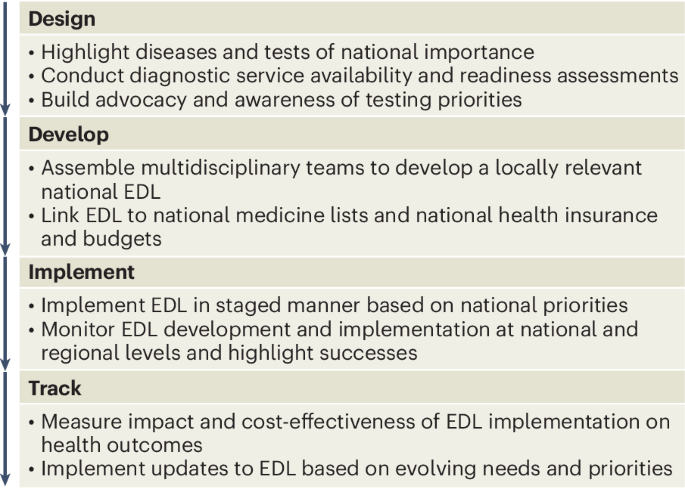
- Five targeted interventions—local test manufacturing, point-of-care integration, digital health linkage, workforce training, and regulatory harmonization—are identified as essential to closing Africa’s diagnostic gap.
- The initiative aims to increase access to essential diagnostics from less than 50% to over 80% of the population by 2030, potentially preventing millions of avoidable deaths annually from infectious and non-communicable diseases.
- Sustainable funding models, including pooled procurement and African-led innovation funds, are proposed to reduce dependency on external donors and ensure long-term viability of diagnostic programs.
Despite progress in HIV, malaria, and tuberculosis diagnostics over the past two decades, significant disparities persist. According to the World Health Organization’s 2025 African Health Report, only 43% of primary care facilities in sub-Saharan Africa have reliable access to basic diagnostic tools such as rapid tests for fever, hemoglobinometers, or urine dipsticks. This gap contributes to delayed treatment, misdiagnosis, and unnecessary antibiotic use—fueling antimicrobial resistance across the region. The Nature Medicine study emphasizes that diagnostic inertia is not merely a technical issue but a systems failure rooted in fragmented supply chains, inadequate cold chain infrastructure, and overreliance on imported assays that are often ill-suited to local climatic and epidemiological conditions.
To address these challenges, the authors advocate for a paradigm shift toward endogenous diagnostic innovation. Central to this vision is the establishment of regional hubs for nucleic acid test (NAT) production, leveraging mRNA and CRISPR-based platforms adapted for heat-stable, lyophilized formats. Pilot programs in Senegal and Rwanda have already demonstrated the feasibility of locally manufactured SARS-CoV-2 and Lassa fever assays, with sensitivity and specificity exceeding 95% in field trials involving over 12,000 participants. These efforts are supported by the Africa CDC’s Pathogen Genomics Initiative, which has trained more than 500 laboratory scientists across 30 African nations in sequencing and variant surveillance since 2021.
“The real breakthrough isn’t just the technology—it’s the shift in ownership. When African scientists design tests for African pathogens, using African samples and manufacturing them locally, we move from aid dependency to health sovereignty.”
Equally critical is the integration of diagnostics into primary care networks through point-of-care (PoC) deployment. The study highlights successful models in Malawi and Ethiopia, where solar-powered PoC devices for HIV viral load and creatinine testing have reduced turnaround time from weeks to under 60 minutes, significantly improving retention in care. These devices, often paired with smartphone-based telemedicine platforms, enable real-time data transmission to national health information systems, facilitating outbreak detection and resource allocation. In Kenya, a pilot linking PoC malaria diagnostics to community health worker apps reduced stockouts by 40% and increased correct treatment rates from 58% to 89% in rural clinics.
Funding transparency remains a cornerstone of the proposed framework. The study was supported by a coalition of public and private entities, including a $120 million grant from the Bill & Melinda Gates Foundation’s Global Health Division, technical assistance from the Foundation for Innovative New Diagnostics (FIND), and in-kind support from the African Union’s DARE (Diagnostics for African Resilience and Equity) initiative. Notably, the research underwent independent ethical review by the Kenya Medical Research Institute (KEMRI) Ethics Committee, ensuring adherence to international standards for community engagement and data privacy.
“Investing in diagnostics is not a cost—it’s a multiplier. Every dollar spent on accurate testing saves ten in avoided hospitalization, unnecessary treatment, and transmission.”
For healthcare stakeholders seeking to engage with this evolving landscape, the directory offers vetted pathways to action. Clinics aiming to implement point-of-care testing protocols can consult with board-certified laboratory medicine specialists to validate test selection and quality assurance frameworks. Organizations pursuing local manufacturing partnerships should engage with African-based medical device manufacturers with WHO-prequalification experience to ensure scalability and regulatory compliance. Health technology firms navigating data integration and interoperability standards are advised to collaborate with healthcare compliance attorneys specializing in African digital health regulations to mitigate risks related to patient data sovereignty and cross-border data flow.
As Africa advances toward diagnostic self-reliance, the implications extend beyond clinical accuracy to encompass health equity, economic resilience, and pandemic preparedness. By aligning innovation with local needs and strengthening regulatory harmonization through the African Medicines Agency (AMA), the continent is positioning diagnostics not as a peripheral service but as a cornerstone of preventive care and health security. The trajectory is clear: sustainable progress will depend not on imported solutions, but on the capacity of African institutions to lead, innovate, and scale.
*Disclaimer: The information provided in this article is for educational and scientific communication purposes only and does not constitute medical advice. Always consult with a qualified healthcare provider regarding any medical condition, diagnosis, or treatment plan.*