Climate change threatens malaria elimination in Greater Mekong Subregion
Malaria cases across the Greater Mekong Subregion have declined by 67 percent since 2010, yet climate-driven environmental shifts now threaten to reverse these gains as nations approach the final stages of elimination. According to reports from the 10th Asia Pacific Leaders’ Summit on Malaria Elimination held on June 5 in Vientiane, the convergence of rising temperatures and extreme weather events is complicating efforts to reach zero indigenous transmission.
- Rising temperatures within the 15 to 35 degrees Celsius range accelerate the development of malaria parasites in mosquito vectors, potentially increasing transmission rates.
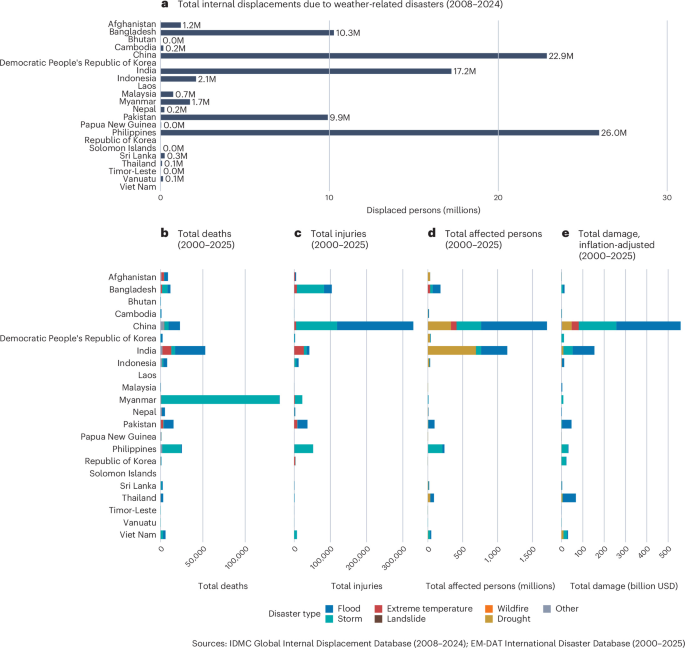
- Extreme weather, including flooding and cyclones, disrupts healthcare infrastructure and expands mosquito breeding habitats, complicating disease control in vulnerable regions.
- Achieving malaria-free certification requires three consecutive years of zero indigenous cases, a benchmark currently challenged by climate-induced population mobility and vector migration.
Climate Sensitivity of Vector-Borne Transmission
The biological relationship between climate variability and malaria pathogenesis remains a central concern for regional health authorities. As noted by Dr. Md. Mushfiqur Rahman, advisor to Bangladesh’s National Malaria Elimination Program, the mosquitoes responsible for transmitting both malaria and dengue are highly sensitive to thermal conditions. Research indicates that the extrinsic incubation period—the time required for a parasite to develop inside the vector—shortens as temperatures rise, effectively increasing the window for human infection.
The World Malaria Report 2024 highlights that inequity in the global response remains a primary barrier to progress. While surveillance systems have improved, the ability to maintain these systems during climate-related disasters is limited. Historical data from the 2022 Pakistan floods demonstrated how extreme precipitation events can catalyze surges in vector-borne diseases by destroying existing sanitation infrastructure and creating new, stagnant water reservoirs for mosquito larvae.

Infrastructure Resilience and Regional Elimination Goals
Ministers from Cambodia, Laos, Myanmar, Thailand, and Vietnam reaffirmed their commitment to regional elimination by 2030 during the Vientiane summit. Despite this collective goal, the “last mile” of eradication faces distinct hurdles. In border regions, high population mobility—often exacerbated by climate-induced displacement—makes it difficult to maintain consistent diagnostic and treatment coverage. Countries such as Cambodia, Laos, and Vietnam have reported annual case numbers falling to the low hundreds, placing them at the threshold of World Health Organization certification. Sustaining this status requires rigid, long-term monitoring.
Analysis suggests that failing to account for climate-driven shifts in disease distribution could lead to resurgence in areas where malaria was previously controlled.
Environmental Drivers and Zoonotic Risks
Beyond standard transmission, changes to the environment continue to alter the risk profile. Deforestation and forest degradation in Southeast Asia have been linked to changes in the behavior of mosquito populations. Research indicates that as tropical forest canopies are disrupted, microclimates at the ground level become more conducive to vector survival.
As the region moves toward 2030, the focus remains on preventing the re-establishment of transmission in areas that have achieved elimination, ensuring that hard-won progress is not compromised by the changing climate.
Disclaimer: The information provided in this article is for educational and scientific communication purposes only and does not constitute medical advice. Always consult with a qualified healthcare provider regarding any medical condition, diagnosis, or treatment plan.