
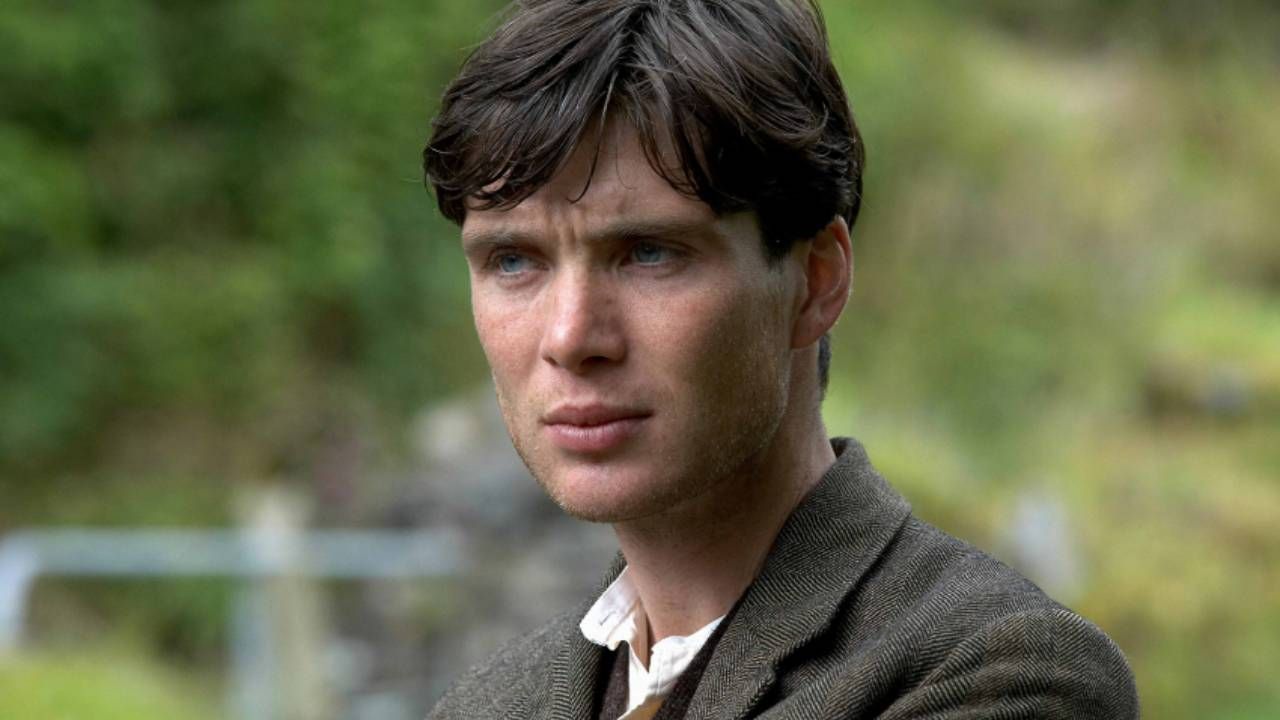
Cillian Murphy’s Essential War Drama Now Streaming on Prime Video
Before achieving international acclaim as Thomas Shelby in the television series Peaky Blinders, Cillian Murphy starred in what is considered one of the most significant films in Irish cinematic history: Ken Loach’s 2006 war drama, The Wind That Shakes the Barley. The film is currently available for streaming on Prime Video.
Murphy took on the role following his performances in 28 Days Later (2003), The Girl with a Pearl Earring (2003), and his debut in Christopher Nolan’s Batman Begins (2005). The Wind That Shakes the Barley is set during the Irish War of Independence (1919-1921), and centers on brothers Damien and Teddy O’Donavan, from County Cork, who join the Irish Republican Army to fight for independence from the United Kingdom. The narrative takes a tragic turn when the brothers find themselves on opposing sides during the subsequent Irish Civil War (1922-1923).
The film premiered at the 2006 Cannes Film Festival, where it was awarded the Palme d’Or. It became a commercial success in Ireland, setting a record as the highest-grossing independent Irish film until 2011, when it was surpassed by The Guard, according to Screen Ireland. Globally, The Wind That Shakes the Barley grossed $22.9 million, with $2.7 million of that revenue generated in Ireland.
In a Konbini video, Murphy described Loach as “one of the best directors alive,” adding that working with him “changed the way I approach acting.” Nolan questioned Murphy about the experience, to which Murphy responded, “Absolutely incredible. Everything is shot chronologically. Notice no scripts. You don’t see the finished script until the very end. So you’re shooting the sequences as the character experiences them.”
Murphy further explained that during the filming of The Wind That Shakes the Barley, actors often arrived on set without extensive preparation, resulting in “completely visceral and sincere” reactions. Nolan remarked that the film felt akin to a documentary, blurring the lines between fiction and reality. Loach’s directing style also included eschewing traditional cues like “action,” instead simply saying “head,” and avoiding the employ of tape marks to indicate actor positioning, and frequently utilizing non-professional actors.