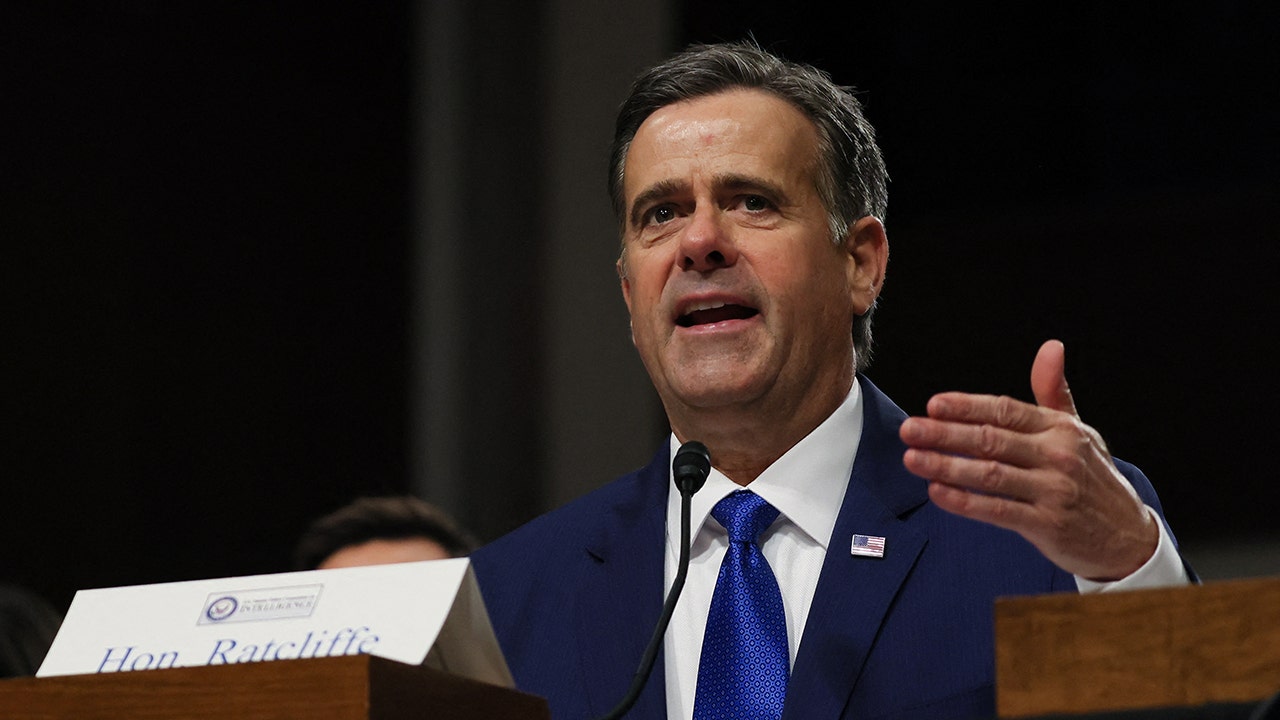
CIA Director John Ratcliffe Meets Cuban Officials on Security and Economic Issues
CIA Director John Ratcliffe visited Havana on Thursday to deliver a direct message from President Trump: the United States is prepared to engage on economic and security issues only if Cuba implements “fundamental changes.” The high-level meeting focused on intelligence cooperation and ending Cuba’s role as a safe haven for adversaries in the Western Hemisphere.
This is not a standard diplomatic overture. It is a calculated ultimatum delivered at a moment of extreme vulnerability for the Cuban state. By sending the head of the Central Intelligence Agency rather than a State Department envoy, the Trump administration is signaling that this dialogue is rooted in security and leverage, not mere diplomacy. The underlying problem is clear: Cuba is grappling with a failing economy and systemic instability, while the U.S. Views the island as a strategic liability that facilitates the interests of foreign adversaries.
For international investors, regional security firms, and diplomatic observers, the stakes are immense. A pivot in Cuban policy could open one of the most restricted markets in the world, but the path toward that opening is fraught with legal landmines and geopolitical volatility. Navigating these shifts requires more than just political intuition; it demands the expertise of international trade attorneys who specialize in sanctions law and the complex regulatory environment of the Office of Foreign Assets Control (OFAC).
The Terms of Engagement: Security and Stability
During the visit, Director Ratcliffe met with a delegation that included Raulito Rodriguez Castro, Minister of Interior Lazaro Alvarez Casas, and the head of Cuban intelligence services. The discussions were centered on three primary pillars: intelligence cooperation, economic stability, and the removal of adversaries from Cuban soil.
The U.S. Position is uncompromising. The administration has made it clear that Cuba can no longer serve as a sanctuary for actors who threaten U.S. National security. This “safe haven” rhetoric likely refers to the long-standing presence of Russian and Chinese intelligence assets on the island, which the U.S. Views as a direct challenge to the Monroe Doctrine’s spirit of hemispheric security.
The Cuban government, meanwhile, is attempting to play a defensive hand. In an official statement, the Cuban delegation presented evidence intended to “categorically demonstrate that the island poses no threat to U.S. National security.” Their primary objective is the removal of Cuba from the U.S. List of state sponsors of terrorism—a designation that creates nearly insurmountable barriers to international banking, credit, and foreign investment.
The tension between these two positions creates a precarious environment for any entity operating in the Caribbean. The risk of sudden policy shifts—either toward a surprising thaw or a severe escalation—makes the role of geopolitical risk consultants indispensable for companies with assets in the region.
“The current dialogue is a high-stakes gamble for Havana. They are attempting to trade security assurances for economic survival, but the U.S. Is demanding structural political changes that the Cuban leadership may find impossible to grant without risking their own grip on power.”
The ‘Venezuela Precedent’ and the Window of Opportunity
Sources indicate that Ratcliffe explicitly referenced Venezuela during his meetings, suggesting that the Cuban leadership should take President Trump’s resolve seriously. This is a pointed warning. By invoking Venezuela, the U.S. Is reminding Havana of the efficacy of “maximum pressure” campaigns—aggressive sanctions combined with targeted diplomatic isolation designed to force regime change or significant concessions.
The “window of opportunity” mentioned by sources is closing. Cuba’s economy is in a state of collapse, characterized by chronic shortages of food, fuel, and medicine. The government is desperate for a lifeline, but the U.S. Is leveraging this desperation to ensure that any economic relief is tied to “fundamental changes” in how the island is governed and who it allies with.
This economic desperation has created a vacuum that only specialized expertise can fill. As the Cuban government weighs its options, the potential for a sudden shift in trade laws means that specialized financial advisors are increasingly being consulted to model the impact of a potential removal from the state sponsors of terrorism list.
Key Points of Contention in the Havana Dialogue
- State Sponsor Designation: Cuba seeks immediate removal from the terrorism list to unlock global credit markets.
- Intelligence Cooperation: The U.S. Demands a crackdown on foreign intelligence operations operating out of Havana.
- Economic Pre-conditions: Washington insists on “fundamental changes” before any meaningful easing of economic sanctions.
- Regional Security: A mutual (though strained) interest in preventing the Western Hemisphere from becoming a playground for extra-regional superpowers.
Geo-Local Impact: From Havana to Miami
The ripples of this meeting extend far beyond the shores of Cuba. In Miami, the political and economic epicenter of the Cuban diaspora, this visit is being watched with intense scrutiny. The business community in South Florida—which includes everything from shipping logistics to agricultural exports—stands to gain the most from a stabilized Cuba, but they are also the most wary of “half-measures” that do not include genuine democratic reform.

If the U.S. Decides to enforce its “redlines,” the result could be a further tightening of the blockade, potentially triggering a migration crisis that would strain the municipal infrastructure of Florida’s coastal cities. Conversely, a successful negotiation could trigger a gold rush of investment into Havana’s crumbling infrastructure and tourism sector.
The complexity of these outcomes underscores the necessity of a multidisciplinary approach to regional strategy. Whether it is securing supply chains or protecting intellectual property in a volatile jurisdiction, the intersection of law, security, and finance is where the actual battle for the Caribbean will be won or lost.
The meeting between John Ratcliffe and the Cuban Ministry of the Interior is a reminder that in the world of high-stakes intelligence, dialogue is rarely about friendship; it is about the calibration of power. Cuba is at a crossroads, facing a choice between a painful transition toward U.S.-aligned stability or a descent into deeper isolation. The “redlines” have been drawn, and the clock is ticking.
As this situation evolves, the difference between those who thrive and those who fail will be the quality of their professional counsel. From the legal intricacies of sanctions to the boots-on-the-ground reality of regional security, finding verified, high-authority professionals is the only way to navigate this storm. The World Today News Directory remains the definitive resource for connecting global leaders with the experts equipped to handle the volatility of a changing world.