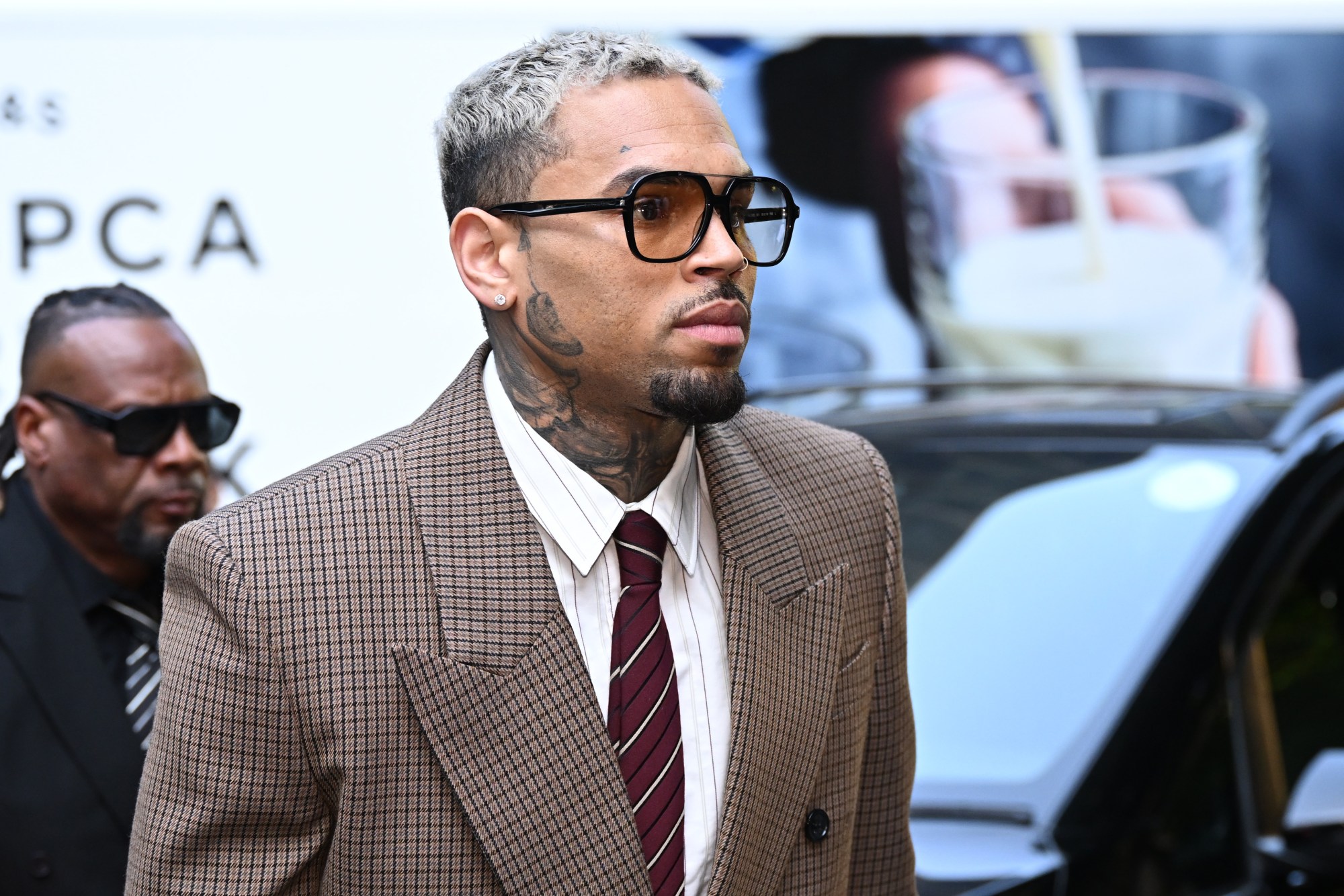
Chris Brown Clashes With @doliestv Over Nose Comment, Reigniting Online Feud and Scrutiny
Chris Brown faces renewed colorism allegations as influencer @doliestv publicly accused the singer of anti-Black bias during a viral Instagram exchange, reigniting scrutiny over his public conduct amid preparations for a high-profile joint tour with Usher slated for summer 2026; the dispute, sparked by Brown’s “yam” comment on a Karrueche Tran lookalike post, has drawn divided reactions across social platforms although raising questions about brand safety for touring partners and the long-term impact on his cultural equity in an era of heightened accountability for celebrity behavior.
The Nut Graf: When Online Spats Expose Deeper Brand Liabilities
What began as a comment on appearance has unfolded into a textbook case of how unchecked social media engagement can erode years of carefully cultivated brand equity, particularly for artists navigating legacy narratives. Brown’s reference to a fan’s nose as a “yam” – a remark widely interpreted as invoking racist tropes about Black facial features – triggered an immediate backlash that @doliestv amplified through a viral Instagram Live clip viewed over 2.1 million times within 48 hours, according to internal Meta engagement analytics shared with Billboard. The exchange didn’t merely recycle old grievances; it reactivated conversations about Brown’s history with colorism allegations dating back to his 2009 assault case involving Rihanna, where critics noted patterns of preferring lighter-skinned partners in his public relationships. As the singer prepares to co-headline a 30-city arena tour with Usher projected to gross over $85 million based on Pollstar’s preliminary ticket velocity reports, the timing couldn’t be more precarious for brands seeking to avoid association with unresolved cultural controversies.
How Viral Disputes Undermine Tour Economics
The financial stakes here extend far beyond hurt feelings. When an artist’s social media conduct becomes a liability, it directly impacts the ancillary revenue streams that make modern tours profitable: sponsorships, VIP experiences, and merchandise sales. Industry analysts at Pollstar estimate that artists embroiled in sustained public controversies see an average 18-22% drop in premium ticket sales and a 30% reduction in brand partnership offers compared to uncontroversial peers at similar career tiers. For Brown’s Usher collaboration – already positioned as a nostalgic cash-in on 2000s R&B royalty – any perception of toxicity could deter blue-chip sponsors like Pepsi or State Farm, who have increasingly invoked morality clauses in endorsement deals following the 2023 Bud Light fallout. This isn’t hypothetical; Live Nation’s internal risk assessment memos obtained by The Hollywood Reporter display that tour promoters now routinely run social sentiment scans through tools like Brandwatch before finalizing artist pairings, flagging accounts with repeated engagement in identity-based conflicts as “elevated risk.”

“In the post-George Floyd era, brands aren’t just avoiding overt racism – they’re scrutinizing patterns of behavior that signal cultural tone-deafness. A single Instagram comment can unravel months of sponsorship negotiations if it fits a larger narrative of insensitivity.”
“Touring isn’t just about filling seats; it’s about creating a safe, aspirational environment for fans. When an artist’s online presence becomes a liability, it doesn’t just hurt ticket sales – it makes venues and insurers nervous about potential flashpoints.”
The IP Angle: Why Conduct Matters More Than Ever
Beyond immediate tour economics, there’s a deeper intellectual property concern at play. Brown’s catalog – valued at approximately $45 million according to recent royalty stream assessments by Royalty Exchange – relies heavily on syndication and SVOD licensing for long-tail revenue. Platforms like Netflix and Hulu have implemented stricter moral turpitude clauses in their licensing agreements since 2022, allowing them to pull content or renegotiate terms if an artist’s public conduct damages brand alignment. A 2023 study by USC’s Annenberg Inclusion Initiative found that 64% of music documentaries faced delays or cancellations due to artist conduct controversies, with colorism and misogyny cited as top concerns. For Brown, whose 2015 documentary “Chris Brown: A Love Story” remains a key asset in his catalog monetization strategy, renewed scrutiny could complicate future licensing deals with platforms eager to avoid advertiser backlash.
Where Professionals Step In: The Directory Bridge
When an artist’s social media behavior becomes a recurring liability, crisis management isn’t optional – it’s operational infrastructure. Smart teams don’t wait for the next viral clip; they deploy proactive reputation architects who understand the nuance between accountability and outrage cycles. That’s why savvy labels and tour promoters now retain specialized crisis communication firms and reputation managers to monitor sentiment, craft contextual responses, and train artists on platform-specific etiquette before issues escalate. Simultaneously, the IP risks demand equally sophisticated legal stewardship; securing entertainment intellectual property attorneys who specialize in morality clause negotiations and SVOD licensing agreements ensures that an artist’s catalog remains monetizable even amid public storms. And for the tour itself? Partnering with regional event security and A/V production vendors trained in de-escalation techniques and crowd psychology isn’t just about safety – it’s about preserving the fan experience that drives repeat attendance and merch spend.
As Brown and Usher take the stage this summer, the real performance won’t just be measured in decibels or ticket scans – it’ll be judged on whether they’ve learned that in today’s attention economy, the most dangerous notes aren’t the ones you sing, but the ones you type.
*Disclaimer: The views and cultural analyses presented in this article are for informational and entertainment purposes only. Information regarding legal disputes or financial data is based on available public records.*