
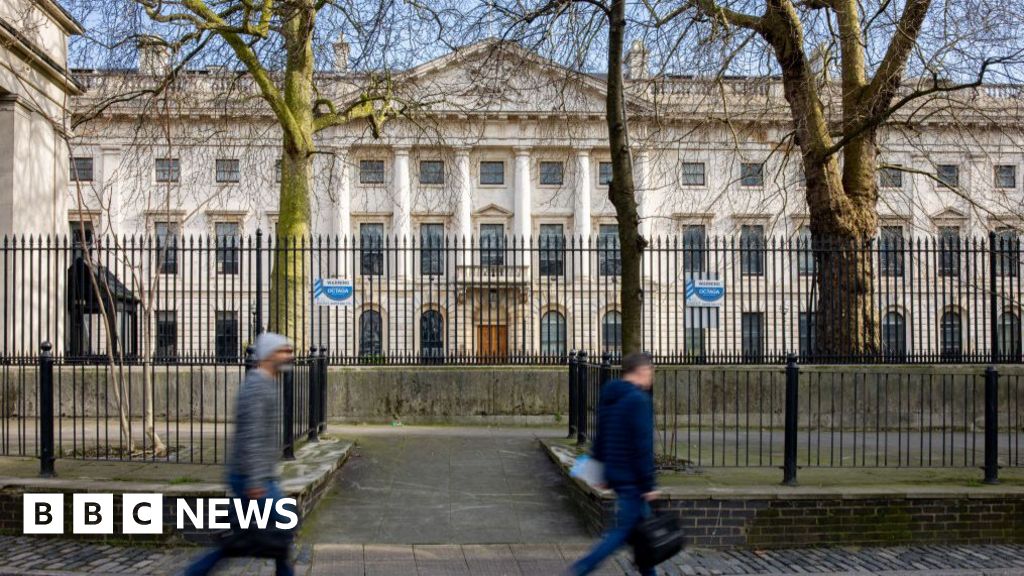
Chinese “Mega-Embassy” Plan Faces Legal Challenge: Top Lawyer Deems Approval “Unlawful”
London, UK – A controversial plan by China to build its largest embassy in Europe, transforming the historic Royal Mint Court near the Tower of London, is facing a meaningful legal hurdle. Lord Banner KC,one of the UK’s leading planning lawyers,has issued a legal opinion stating that granting planning permission based on the currently submitted,partially redacted plans would be “unlawful.”
The opinion, delivered to the government on Monday, arrives just before the deadline for objections to the scheme. Residents of the Royal Mint estate, who are now tenants of the Chinese government following the property acquisition, commissioned the legal review, fearing potential forced displacement and broader security concerns.
China intends to replace its current, smaller embassy in London’s West End – occupied since 1877 – with the expansive royal Mint Court progress. The project has drawn scrutiny due to significant portions of the planning request being “greyed out,” obscuring the intended use of numerous rooms within the complex.
This lack of transparency has fueled anxieties, particularly among hong Kong dissidents and pro-democracy activists residing in the UK, who fear the redacted spaces could be used for surveillance, interrogation, or other activities detrimental to their safety.Former Housing Secretary Angela Rayner previously “called in” the application,meaning the final decision rests with the Secretary of State rather than the local Tower Hamlets Council. Rayner had demanded clarification on the redactions from the Chinese side, but received only limited responses.Chinese planning consultants argued that disclosing internal layouts wasn’t standard practice, citing the US embassy development as a precedent.
However, Lord Banner’s legal opinion directly challenges this justification. He argues that the redacted details do have potential planning consequences, specifically relating to listed building status, structural integrity, and fire safety. He emphasizes that even with assurances, the People’s Republic of China would benefit from diplomatic immunity within the embassy grounds, effectively granting them “carte blanche” regarding activities within the obscured rooms.
“Planning permission cannot lawfully be granted on the basis of the redacted plans,” Lord banner asserts, urging current housing Secretary Steve Reed to demand full, unredacted submissions.
Beyond the redacted plans, concerns also center on China’s proposal to maintain public access to a section of the embassy site, including the ruins of a Cistercian abbey and a planned Chinese heritage center. The Foreign Office and Home Office previously warned this arrangement poses “specific public order and national security risks,” as it would create a zone where police could not enter, even during emergencies, while allowing unrestricted access to the public – including potential protestors.The future of the “mega-embassy” now hangs in the balance, with Lord banner’s legal opinion adding significant weight to the growing opposition and potentially forcing a major reassessment of the project.
Keywords: China, Embassy, London, Royal Mint Court, Planning Permission, Legal Challenge, Diplomatic Immunity, National security, Angela Rayner, Steve Reed, Lord Banner, Redactions, Hong Kong, Pro-Democracy Activists.
