
China Combats Chikungunya Outbreak wiht Strict Measures, Echoing Past COVID-19 response
HONG KONG – Chinese authorities are implementing aggressive public health measures, reminiscent of those used during teh COVID-19 pandemic, too control a recent outbreak of chikungunya fever, a mosquito-borne viral disease. The response comes as the U.S. centers for Disease control and Prevention (CDC) issued a travel health notice advising travelers to china to protect themselves against mosquito bites.
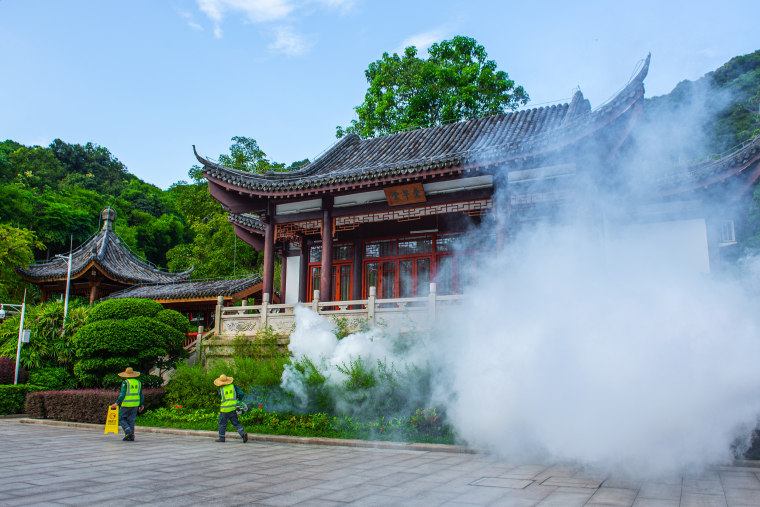
Guangdong province, including cities like Foshan and Shenzhen, has been at the forefront of the effort. local authorities have mobilized grassroots workers to spray insecticide and eliminate stagnant water sources – prime breeding grounds for mosquitos.Clinics and hospitals are utilizing mosquito-proof beds to isolate patients, and residents are being encouraged to install window screens and use mosquito coils.
China’s legal framework mandates compliance with health official instructions regarding virus containment, with potential penalties ranging from warnings and fines to civil liability for non-compliance.
The stringent approach has drawn mixed reactions. While some praise the swift and large-scale action, others criticize it as excessive, pointing to instances like the removal of even pets’ water bowls as an example of a “one-size-fits-all” strategy, according to a user on the Chinese social media platform RedNote.
As of August 25, Foshan had maintained new daily cases below 50 for nine consecutive days. The city, with a population exceeding 9 million, officially ended its month-long public health emergency response.Experts attribute the increasing incidence of chikungunya, not only in China but also in regions like Europe, to the effects of climate change. Rising temperatures and more extreme weather patterns are expanding habitats suitable for virus-carrying mosquitos.
“There has been an ‘increasing number’ of locally acquired chikungunya cases in areas that had been unaffected by the virus for the past decade,” explained Dr. Chan, an expert on vector-borne diseases. He emphasized the interconnectedness of ecosystems, stating, “Humans are not alone in this globe. we’re living with animals, birds, various other species, as well as all these vectors, including mosquitoes, ticks and other vectors… So we’re just one part of the ecosystem.”
