China’s Strategic Missile Test: Impact on Pacific Security and Taiwan’s Response
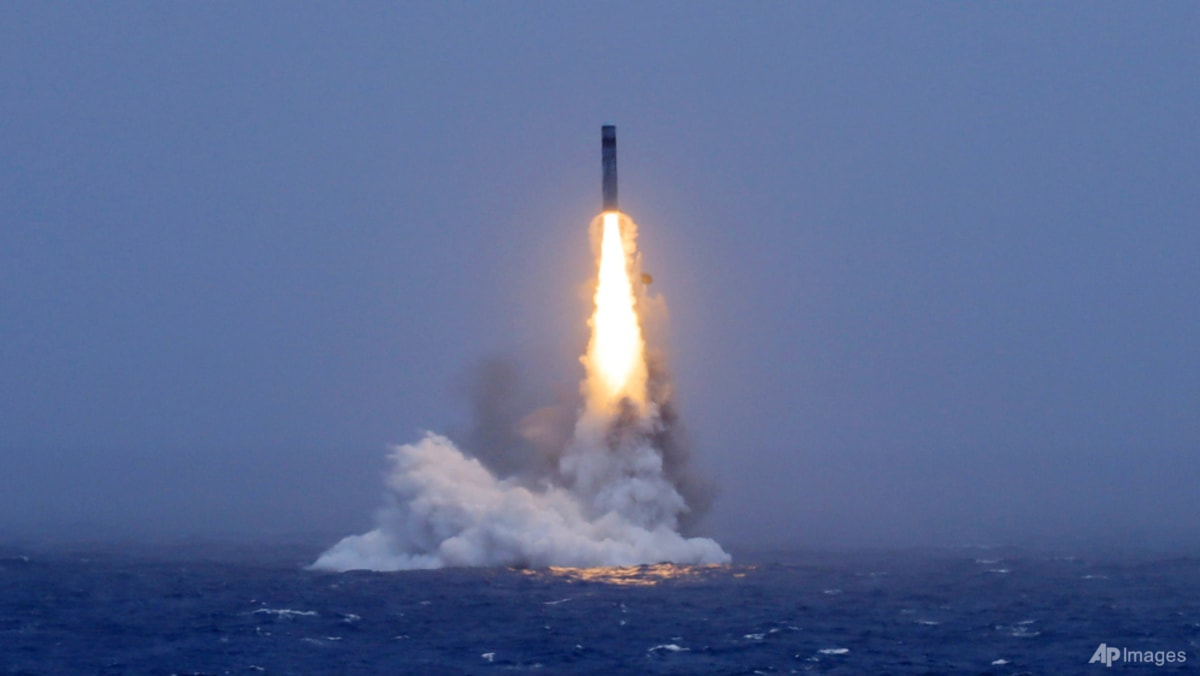
China's People's Liberation Army (PLA) Navy conducted a test launch of a strategic missile by submarine, signaling a significant enhancement of its nuclear triad deterrence.
This isn't just another drill. By successfully firing a strategic missile from a submerged platform, the PLA is demonstrating a "survivable" second-strike capability—the ability to retaliate even if land-based silos are destroyed.
The Pave Paws Radar and Taiwan’s Detection Capability
Taiwan’s defense infrastructure played a central role in the immediate aftermath of the launch. The Pave Paws radar system, a $1.4 billion asset, successfully tracked the ballistic trajectory of the PLA missile, according to reports from the Times of India. This system is critical for providing early warning and tracking long-range missiles, effectively acting as the first line of digital defense for the island.
The ability to track these launches in real-time allows Taipei to analyze the flight path and velocity of Chinese weaponry.
U.S. Reaction and the Failure of Notification
The United States government has criticized China for providing insufficient notice before the missile test. According to The Straits Times, the lack of transparency regarding the launch window increased the risk of an accidental escalation in the Pacific.

Analyzing the Nuclear Triad Enhancement
The Global Times reports that the test significantly enhances China’s nuclear triad. A functional SLBM capability is the most difficult piece of the triad to master because it requires precise navigation and communication while submerged.
This development is not happening in a vacuum.
| Entity | Role/Action in Event | Stated Objective/Impact |
|---|---|---|
| PLA Navy | Submarine Missile Launch | Enhance nuclear triad deterrence |
| Taiwan (Pave Paws) | Radar Tracking | Verification of missile trajectory |
| United States | Diplomatic Criticism | Demand for better notification protocols |