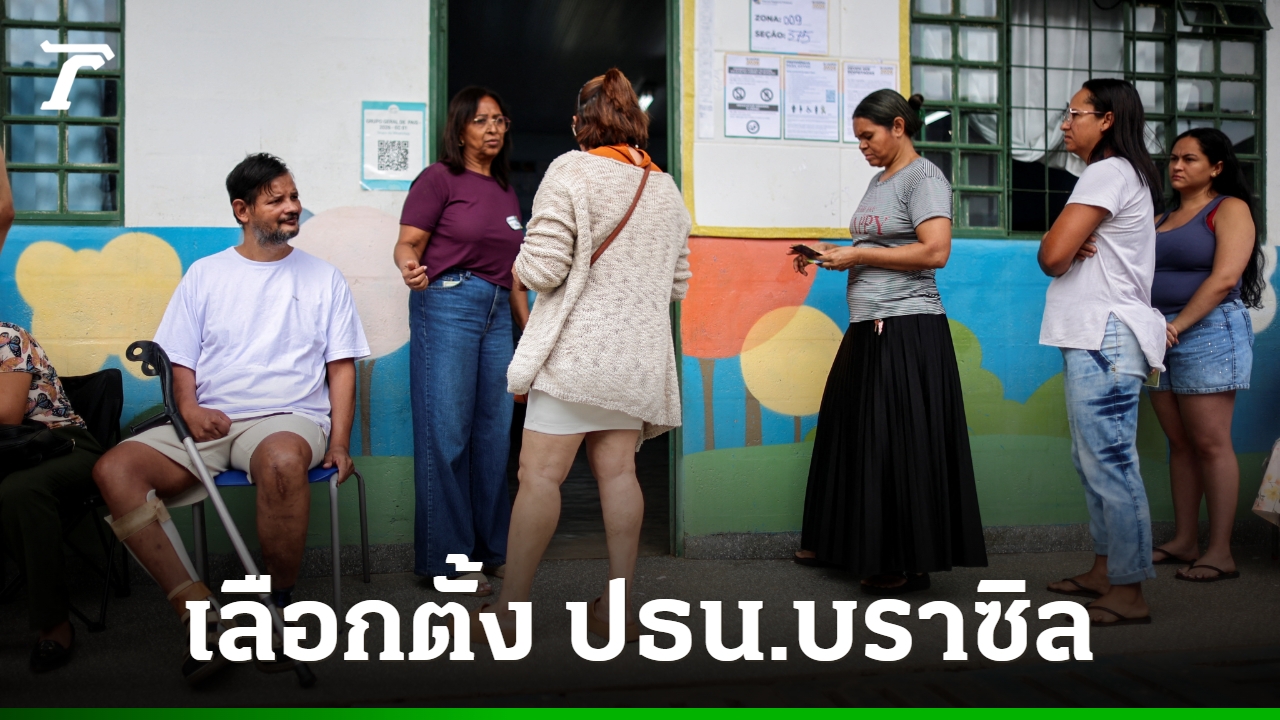
Brazil Presidential Election: Lula and Bolsonaro Face Off in High-Stakes Race
On October 4, 2026, Brazilian voters head to the polls to decide between incumbent President Luiz Inácio Lula da Silva and Flavio Bolsonaro in a high-stakes presidential election where local polls show the two front-runners running neck-and-neck, with neither candidate expected to secure the 50% majority required to avoid a runoff.
Top Two Contenders May Face October Runoff
If no candidate clears the 50% threshold in Sunday’s vote, the top two contenders will compete in a runoff scheduled for October 25.
Thairath.co.th reported that both Lula and his opponent closed out their final campaign events with each side expressing absolute confidence in securing an outright victory in the first round. Local surveys, however, point to a tightly contested second-round matchup.
Lula and Flavio Bolsonaro Lead Opposing Parties
Lula leads the center-left Workers’ Party (PT), known for pioneering social programs aimed at lifting millions out of poverty, though his political history includes an 18-month imprisonment following the Car Wash corruption investigation, as THAIFRX.com noted. His successor, former President Dilma Rousseff, who took office in 2010, was impeached in 2016 over budget irregularities.
Challenging Lula is Flavio Bolsonaro, a sitting senator and the son of former President Jair Bolsonaro. The elder Bolsonaro is currently under house arrest, serving a 27-year prison sentence handed down for plotting a coup after his 2022 election defeat to Lula.

Cryptocurrency Policy Divergence
A victory for Lula is expected to bring stricter oversight, tighter compliance requirements for crypto institutions, and renewed efforts to tax stablecoin transactions—measures that saw earlier pushback during the legislative cycle.
Conversely, Flavio Bolsonaro’s stance on digital currencies remains largely undefined, leaving market participants uncertain about how a right-wing resurgence would treat local crypto exchanges and anti-money laundering enforcement.
Foreign Missions Take Precautions as Authorities Investigate Interference
International missions took defensive postures ahead of the vote, with the United States suspending consular services and Australia temporarily closing its embassy in the country, according to Dailynews.co.th. Meanwhile, domestic authorities launched an investigation into suspected U.S. financial backing of opposition movements, examining potential foreign interference aimed at influencing resource management in Brazil.