
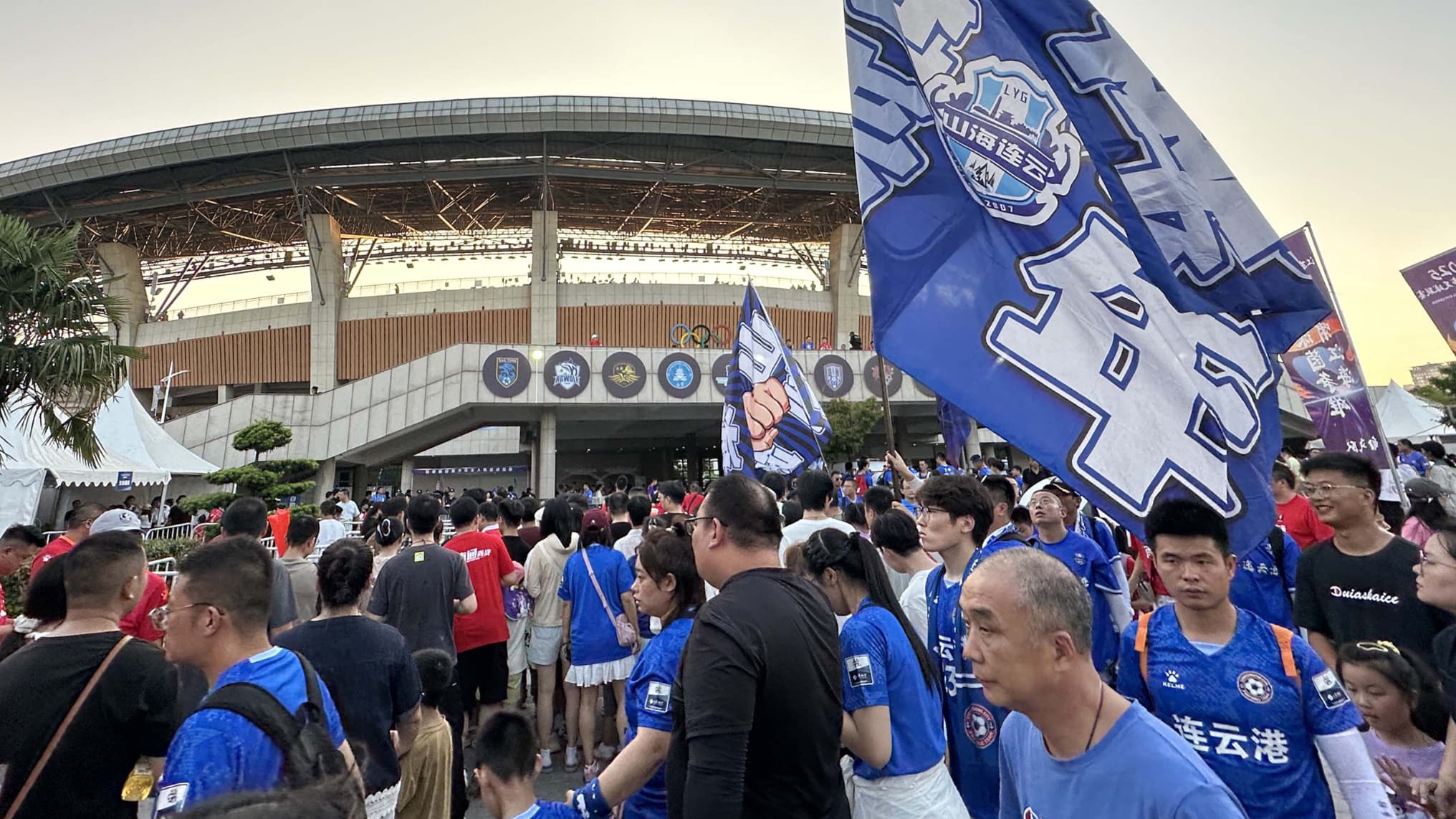
China Pushes for Fitness Boom too Boost Stagnant Consumption
BEIJING - Chinese authorities are actively seeking to stimulate domestic consumption by encouraging greater participation in sports and fitness activities, as the nation’s conventional growth model of industrial investment and exports falters. The push comes as industrial production and retail sales in China recorded their lowest growth in a year in August,coinciding with a deepening real estate crisis and the impact of U.S.tariffs.
Currently, only 0.8% of the Chinese population are registered gym members, a stark contrast to the 8% in Europe and 20% in the United States. This disparity is reflected in spending habits: Chinese citizens spend an average of $354 per year on physical activity, compared to over $2,300 for Americans.
The effort to bolster the service sector is part of a broader attempt to rebalance China’s economy. Household consumption currently represents only 32% of China’s GDP, significantly lower than the 55% in France and 64% in the United states, according to the French General Directorate of the Treasury.
Economists are advocating for further reforms, including an overhaul of the country’s Value Added Tax (VAT) system. A note co-authored by Sheng Songcheng,former statistics chief at the Chinese Central Bank,and cited by the South China Morning Post,points out that the current system allocates tax revenue based on production location rather than consumption,incentivizing regional officials to prioritize industrial investment aligned with central Communist Party objectives.
This dynamic, the report suggests, exacerbates productive overcapacity in certain Chinese industrial sectors, contributing to deflationary pressures and fierce market competition.
