
China’s Spring Festival film market concluded this year with a box office revenue of 5.8 billion yuan ($844 million), marking a significant decline from previous years, according to data released on February 26th. The results represent a nearly 40% year-on-year decrease, a stark contrast to the record-breaking 9.51 billion yuan ($1.33 billion) earned during the 2025 Spring Festival holiday, as reported by the China Film Administration.
While the nine-day holiday – two days longer than the traditional seven – offered an extended window for film attendance, it failed to translate into increased ticket sales. “Pegasus 3,” a car racing comedy directed by Han Han, led the box office charts, grossing 2.92 billion yuan, but fell short of capturing the widespread attention enjoyed by previous holiday blockbusters like “Ne Zha 2” in 2025. Zhang Yimou’s spy thriller “Scare Out” followed with 868 million yuan, and Yuen Woo-ping’s wuxia epic “Blades of the Guardians” earned 806 million yuan.
The lackluster performance of domestic films during the holiday period stands in contrast to the vibrant showing of Chinese cinema at the 76th Berlin International Film Festival, held from February 12th to 22nd. Nine Chinese-language productions were presented, encompassing narrative shorts, animated features, experimental works, and documentaries.
A defining characteristic of the Chinese contingent at Berlinale was the youth of the filmmakers. Six of the nine directors hailed from mainland China and were born after 1985, marking their debut appearances at a major international film festival. Tan Yucheng’s short film “Ni’er” and Qu Jingkai’s “Di San Xian” both garnered significant attention, with Qu Jingkai winning the Berlinale Shorts CUPRA Filmmaker Award. Xu Zao presented “Han Ye Dengzhu” (“Light Pillar”), his first animated feature, while Wang Beidi showcased “Scorching,” a Cantonese short film. Zhang Xinyang unveiled his debut feature, “Panda,” and Shen Zhongmin debuted “Shanghai Daughter,” which she both wrote and directed.
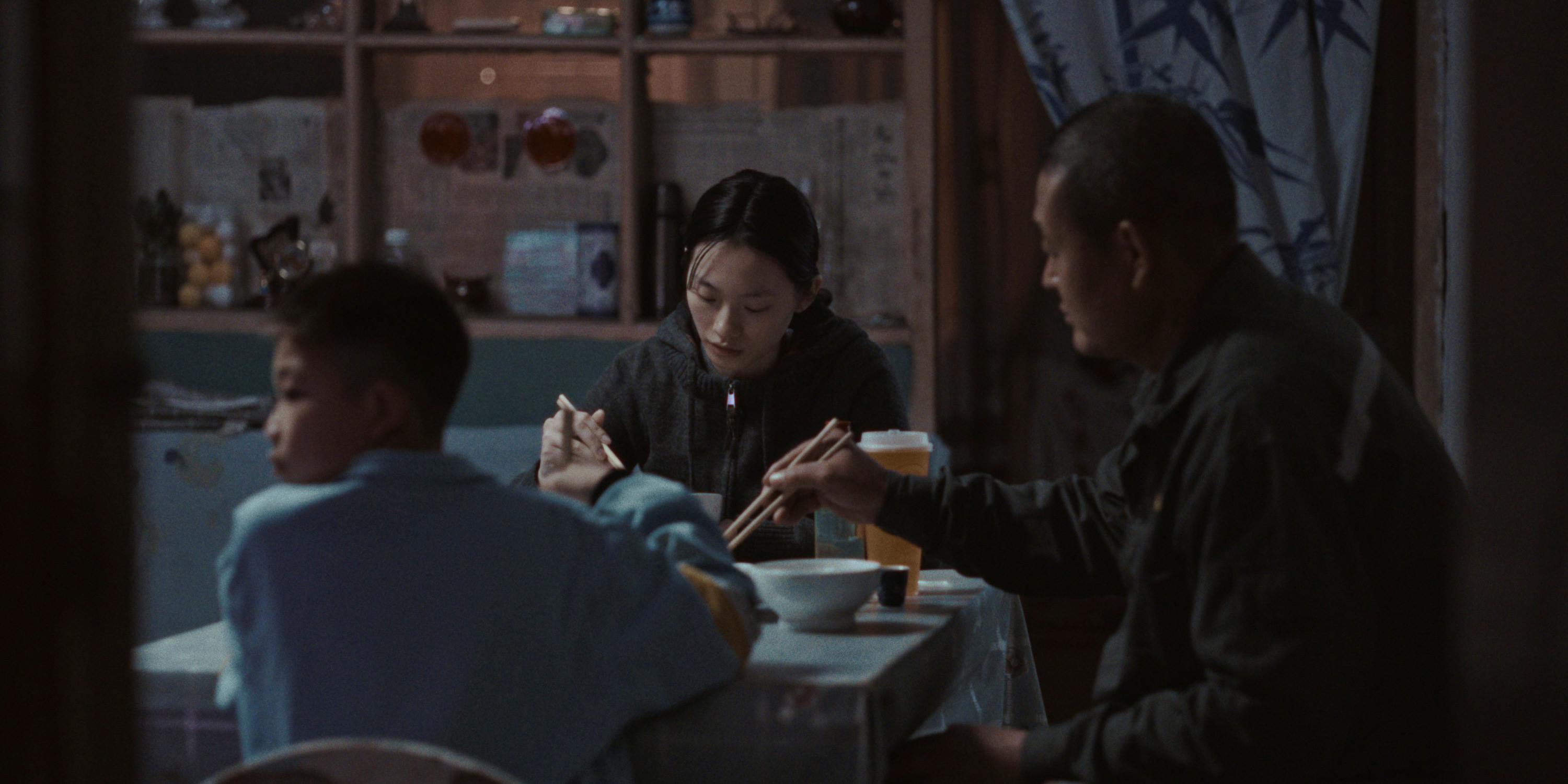
These emerging filmmakers, largely unburdened by commercial pressures, focused on intimate portrayals of contemporary Chinese life. “Ni’er,” a 15-minute film shot in Hebei dialect, centers on a 17-year-old girl working at a gas station and her yearning for freedom. “Di San Xian” explores themes of school bullying in Harbin, while “Panda” delves into the experiences of urban outsiders. “Shanghai Daughter” examines themes of nostalgia and displacement in the Xishuangbanna Dai Autonomous Prefecture, and “Light Pillar” portrays loneliness in the digital age.
“Light Pillar” also represents a technical innovation in Chinese animation, blending live-action footage with animation to explore the boundaries between virtuality and reality. Shen Zhongmin’s “Shanghai Daughter” employed a unique casting approach, featuring a single professional actress alongside non-professional actors from the local community.
The contrast between the commercial focus of the Spring Festival releases and the artistic ambition of the films showcased at Berlinale highlights the dual nature of Chinese cinema. While commercial blockbusters cater to mass entertainment, independent filmmakers are pushing creative boundaries and gaining international recognition. The Berlinale has served as a crucial platform for these emerging voices, offering them exposure and fostering dialogue with a global audience.
