
China’s Diplomacy in Iran Conflict: A Potential Win for Beijing
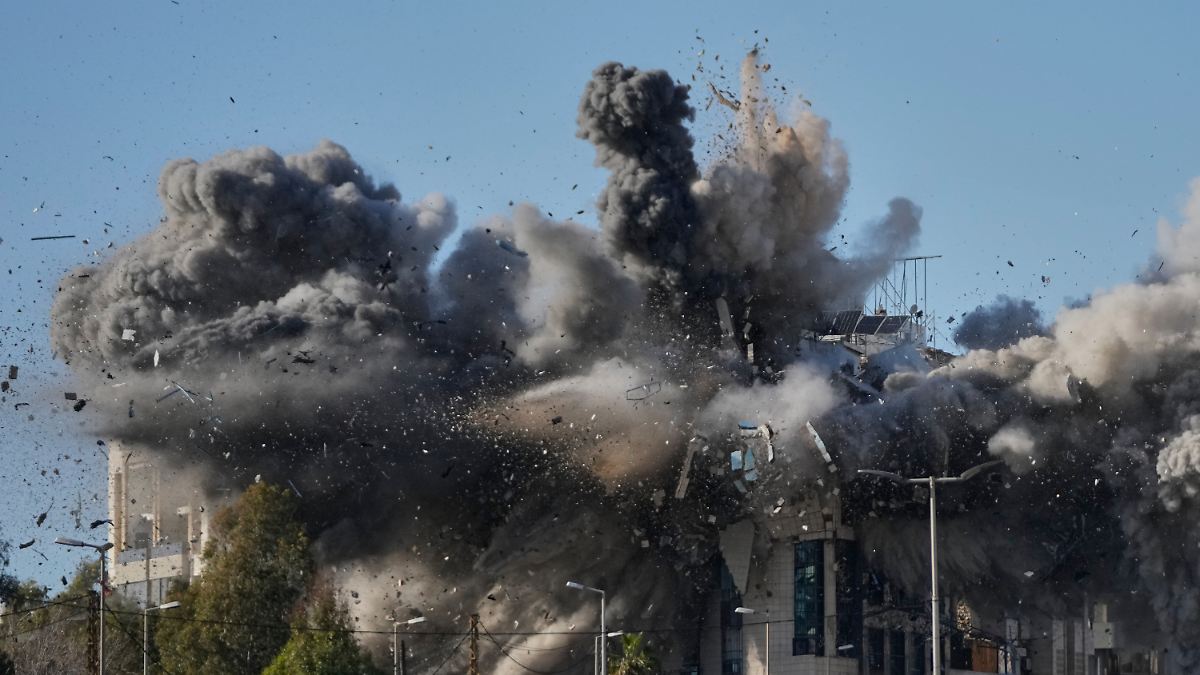
China is leveraging discreet diplomacy to mediate the escalating conflict in Iran, aiming to secure regional stability and safeguard its critical energy imports. This strategic intervention seeks to prevent a full-scale regional war that would destabilize global oil benchmarks and disrupt the Belt and Road Initiative’s critical trade corridors.
The geopolitical friction in the Middle East isn’t just a diplomatic headache; it is a systemic risk to global EBITDA margins. For multinational corporations, the threat of a closed Strait of Hormuz translates directly into soaring freight costs and unpredictable insurance premiums. When the “oil artery” of the world is threatened, the volatility isn’t confined to crude futures—it bleeds into every sector of the industrial supply chain.
Companies currently facing these disruptions are forced to pivot their logistics strategies in real-time, often requiring the expertise of global supply chain consultancy firms to reroute shipments and hedge against sudden spikes in operational expenditure.
The Macro Calculus: Beijing’s Play for Energy Security
Beijing isn’t acting out of altruism. China is the world’s largest crude importer, and a protracted conflict in Iran threatens the stability of the Persian Gulf, where a significant portion of its energy needs are sourced. By positioning itself as the primary mediator, China isn’t just seeking diplomatic prestige; it is attempting to institutionalize a “stability guarantee” for its energy security.

This move represents a shift toward a multipolar financial order where the US dollar’s hegemony in energy pricing is increasingly challenged by bilateral swap agreements. We are seeing a transition from a purely Western-led security architecture to one where liquidity and trade are decoupled from political alignment.
The market is pricing in this volatility. According to the International Monetary Fund’s World Economic Outlook, geopolitical fragmentation could reduce global GDP by up to 7% in extreme scenarios. For the C-suite, this means the “just-in-time” inventory model is officially dead, replaced by “just-in-case” stockpiling.
“The shift we are seeing isn’t just about diplomacy; it’s about the weaponization of trade corridors. If China successfully brokers a ceasefire, they don’t just win a diplomatic victory—they secure a preferential seat at the table for the next decade of Middle Eastern infrastructure projects.” — Marcus Thorne, Chief Investment Officer at Sovereign Global Capital.
The fiscal fallout of these tensions often manifests as “hidden inflation”—the incremental cost of security, insurance, and diversified sourcing that doesn’t always show up in a headline CPI print but crushes quarterly net income.
Three Pillars of Economic Contagion
- The Liquidity Trap: As geopolitical risk premiums rise, institutional investors flee “risk-on” assets in emerging markets, leading to sudden capital flight and currency devaluation in regions adjacent to the conflict.
- The Energy Basis Point Surge: Brent and WTI benchmarks are highly sensitive to Iranian stability. A sustained conflict leads to a “risk premium” that increases the cost of capital for energy-intensive industries, from petrochemicals to aviation.
- Sovereign Debt Volatility: Increased defense spending and economic instability in the region position pressure on sovereign bond yields, complicating the debt refinancing cycles for Middle Eastern states.
This instability creates a vacuum that specialized international corporate law firms must fill, as companies scramble to rewrite force majeure clauses and renegotiate long-term procurement contracts to avoid catastrophic litigation.
The Institutional Perspective: Hedging the Chaos
Wall Street isn’t waiting for the smoke to clear. The current trend is a massive rotation into “safe haven” assets, but with a twist: the focus has shifted from gold to strategic commodities and energy-independent infrastructure. We are seeing a surge in the valuation of firms that provide domestic energy solutions and autonomous logistics.
In the most recent Federal Reserve monetary policy statement, the implicit concern remains the “inflationary impulse” caused by external shocks. If energy prices spike due to a failure in Chinese diplomacy, the Fed is boxed in—they cannot cut rates to stimulate growth if energy-driven inflation is accelerating.
This creates a precarious environment for mid-cap firms. Without the balance sheet of a Fortune 500 company, these entities are hyper-exposed to interest rate volatility and supply shocks. Many are now seeking strategic financial advisory services to restructure their debt and optimize their capital stacks before the next volatility wave hits.
“We are moving into an era of ‘Fragmented Globalization.’ The winners won’t be those with the cheapest labor, but those with the most resilient, politically insulated supply chains.” — Elena Rossi, Senior Analyst at Euro-Pacific Macro Research.
The real-world impact is visible in the shipping lanes. When insurance underwriters raise premiums for the Gulf region, the cost is passed directly to the consumer. It is a textbook example of cost-push inflation that no amount of quantitative tightening can fully neutralize.
The Long-Term Fiscal Trajectory
Looking toward the next four fiscal quarters, the primary metric to watch is not the ceasefire itself, but the volume of non-dollar trade agreements signed in the wake of the mediation. If China successfully integrates Iran more deeply into its financial ecosystem, we will see a permanent shift in how global oil is priced and settled.
This isn’t a temporary dip; it’s a structural realignment. The “Evergreen Corporate” strategy now requires a level of geopolitical literacy that was previously reserved for intelligence agencies. Boards of directors can no longer treat “political risk” as a footnote in their annual reports; it is now a primary driver of valuation.
As the dust settles on this current crisis, the companies that survive will be those that didn’t just react to the news, but proactively diversified their operational risk. The ability to pivot rapidly—from a disrupted port in the Gulf to a stable corridor in Southeast Asia—is the new competitive advantage.
For executives navigating this volatility, the priority is finding partners who understand the intersection of geopolitics and P&L. Whether it is securing a new logistics route or restructuring a global tax strategy, the right B2B partnership is the only hedge that actually works. Explore the World Today News Directory to connect with the vetted enterprise risk management experts and financial strategists capable of insulating your balance sheet from the next global shock.