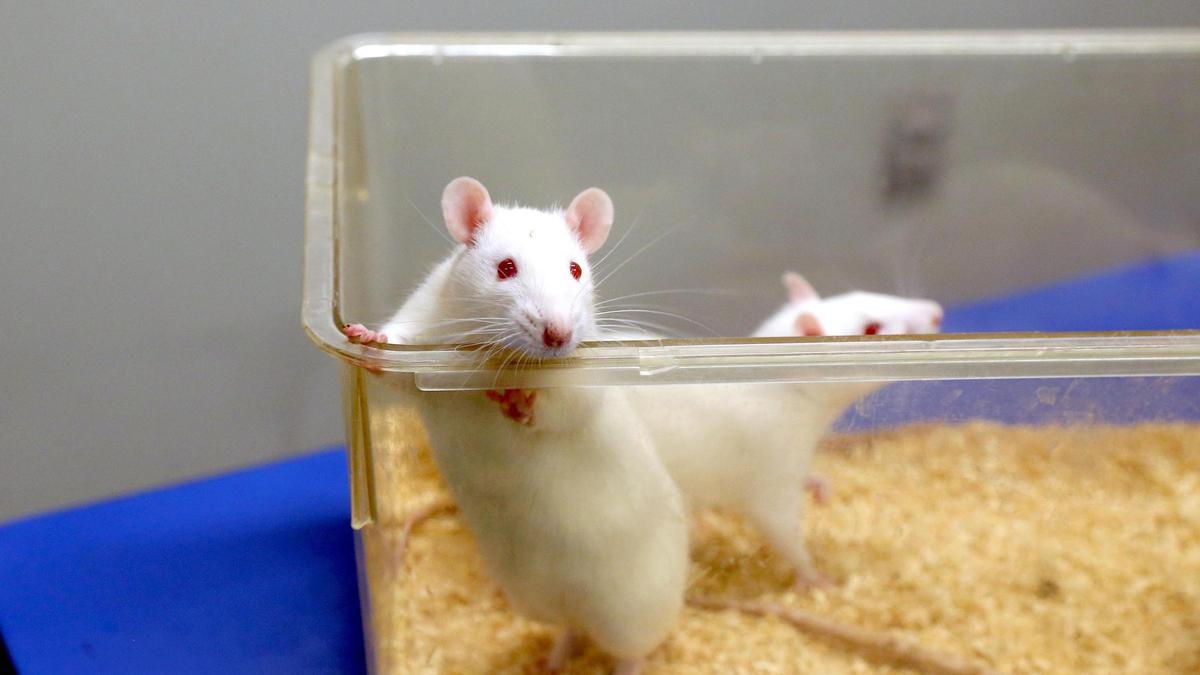
China Tests Experimental mRNA Ebola Vaccine in Mice
Chinese researchers have begun preclinical trials of an experimental mRNA vaccine designed to protect against multiple strains of the Ebola virus, including the deadly Bundibugyo variant, according to verified reports from El Periódico. The vaccine, developed in collaboration with domestic institutions, marks a significant advance in China’s biodefense efforts as global health authorities warn of rising risks from emerging viral threats.
The trial, conducted on mice, combines two Ebola virus antigens—glycoprotein (GP) and nucleoprotein (NP)—to trigger robust immune responses, including both antibody and T-cell activity. Early results suggest the vaccine induces high levels of neutralizing antibodies, a critical factor in preventing lethal infection. While the study has not yet been peer-reviewed, its findings align with recent global research into self-amplifying RNA vaccine platforms, which have shown promise in preclinical models for other high-consequence pathogens.
China’s push into Ebola vaccine development comes as the country expands its capacity in biomanufacturing and infectious disease research. The move reflects broader strategic investments in pandemic preparedness, including the establishment of high-containment laboratories and partnerships with international research hubs. Unlike previous Ebola vaccine candidates—such as those based on vesicular stomatitis virus (VSV) vectors—the mRNA approach offers potential advantages in rapid production and adaptability to new variants.
However, the trial’s focus on Bundibugyo, a variant first identified in Uganda in 2007, underscores the persistent gaps in global vaccine coverage. While the World Health Organization (WHO) has prioritized the Sudan and Zaïre ebolaviruses, Bundibugyo has received far less attention, leaving populations in Central Africa vulnerable. China’s initiative could fill a critical niche, though regulatory hurdles and ethical considerations for human trials remain unresolved.
Domestic institutions involved in the research, including those affiliated with the Chinese Academy of Sciences and potential private-sector collaborators, have not yet disclosed plans for further phases of testing. The absence of public statements from Chinese health authorities—such as the National Health Commission—suggests the trial is still in early stages, with no immediate timeline for scaling up.
Meanwhile, the global landscape for Ebola vaccines has seen incremental progress. A 2022 study published in Molecular Therapy demonstrated that a self-amplifying RNA vaccine targeting the Ebola glycoprotein (GP) alone generated strong immune responses in mice, though it did not include the Bundibugyo strain. More recently, a January 2026 paper in Frontiers in Immunology highlighted the challenges of eliciting durable T-cell responses—a limitation the Chinese vaccine appears to address by incorporating the nucleoprotein (NP) antigen.
The development also coincides with heightened geopolitical tensions over biosecurity. As China deepens its role in global health initiatives—from vaccine diplomacy to WHO collaborations—the transparency of its biodefense research has drawn scrutiny. While the Bundibugyo vaccine trial itself is not linked to any military or dual-use applications, the broader context raises questions about how such advancements align with international norms for pathogen research.
For now, the focus remains on the preclinical data. Whether the vaccine’s success in mice translates to human efficacy—and whether China will pursue clinical trials—will depend on further validation. Without additional details from the research team or regulatory bodies, the next concrete step remains unclear.